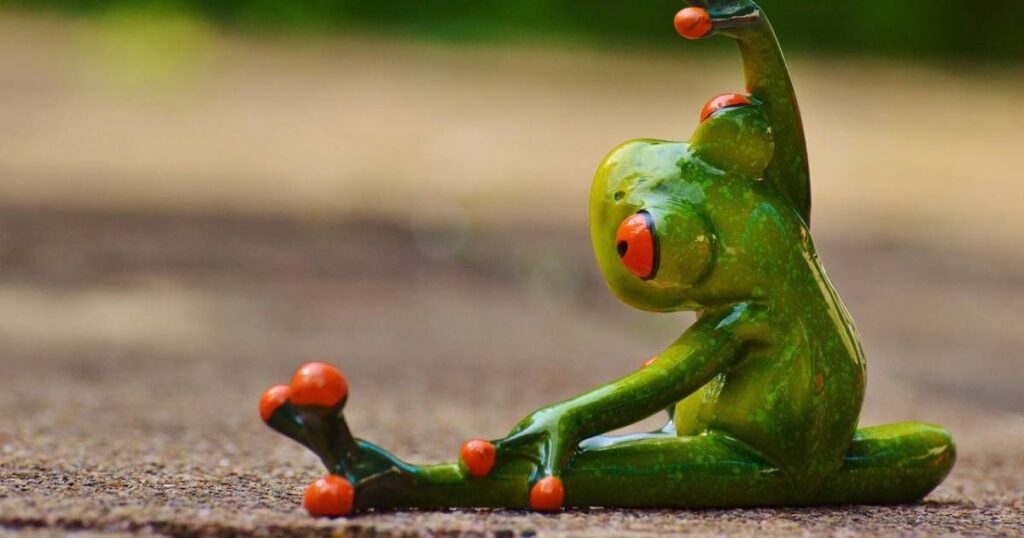
“The best longevity workout routine isn’t just about living longer, it’s about living stronger…”
Time slips by. Days blur into weeks, weeks into years, and somewhere along the way, our bodies start whispering, “take care of me.” Longevity isn’t just about living longer; it’s about living stronger, moving freely, and feeling alive in every moment. Every heartbeat, every step, every breath is a reminder that fitness isn’t a phase, it’s the story of your life.
In 2025, fitness isn’t just about chiseled abs or lifting heavier weights. It’s about creating a body that lasts, a mind that stays sharp, and a spirit that refuses to give up. This guide isn’t for the fleeting; it’s for those who want to train not just for today, but for decades to come. Here, we’ll explore the ultimate longevity workouts, exercise routines, and habits that will help you age gracefully, stay strong, and feel unstoppable, because your life deserves nothing less than the full strength of you.
Strength Training: The Foundation of the Best Longevity Workout Routine
Strength does not merely mean having a good appearance in the mirror. It is about providing your body with the armor it requires to act freely, withstand damage, and survive in all the escapades that life throws at you. The process of muscle mass loss is normal as we grow older, this is known as sarcopenia; however, the good news is that, even at 40 or 50 years, strength training will help us reverse the process. Each squat, each push-up, each measured lift is the pronouncement: I am caring about the fact that there is only one body that I will ever live in.
Longevity-oriented strength training is not associated with ego training and pursuing unrealistic beauty. It is concerning the everyday life things you do without strain: carrying groceries, walking up and down the stairs, playing with your children, or running to the bus without any pain. Compound gym moves such as squats, deadlifts, push-ups, and rows engage more than one muscle simultaneously, making them more effective in enhancing balance, coordination, and joint health.
The trick is as follows: begin with the moderate weights, concentrate on form, and progressively push yourself. Even those bodyweight exercises, properly performed, can result in long-term strength. The target is 2-3 sessions a week, and supplementing it with mobility work to keep the joints healthy. It will be rewarded with a body that will appreciate you twenty years down the line, not tomorrow, and with each lift you make, you step towards a full, active, and powerful life.
FitPlay Tip: To ensure maximum activity of the muscles and minimum risk of injury, slow, controlled movements and breathing patterns should be involved. It is not only about years but about doing it in a smart, constant, and determined manner.
Make sure you’re avoiding common training errors, check out our 6 Fitness Mistakes in 2025 guide to stay on track.
Cardio for Lifelong Heart Health: Keep Your Heart Beating Strong
It is your heart that makes all the adventures, all the laughs, all the steps of your life. It is not about losing weight or being able to fit into that pair of jeans, but rather providing your heart with the strength to get you through decades of memories, struggles, and successes. Keeping your heart healthy fuels energy and endurance, supports a long life, and makes every day feel vibrant and full of possibilities.
You don’t need long runs or grueling sessions. The goal is a safe, balanced approach that keeps your heart strong without overworking your body. Physical exercises, including brisk walking, cycling, swimming, or even dance-based exercises, increase your heart rate, enhance blood circulation, and increase the capacity of your lungs. The frequency of walks counts more than the length of walks; it is possible to have incredible long-term positive effects of a 30-minute walk every other day of the week.
Variety is also key. Combining steady cardio with short bursts of intensity challenges your body, boosts heart strength, and keeps progress moving forward. Keep in mind that longevity is a marathon and not a sprint, and your heart is worthy of exercises that will help you move through your entire life.
FitPlay Tip: Select the type of cardio you can perform and like at the same time. Keep your heart rate moderate, drink plenty of water, and sync your movements with steady, controlled breathing. Never can a great heart be made at once, but day by day, beat by beat.
Even moderate cardio strengthens your heart and keeps you moving freely for decades (read more).
Flexibility & Mobility: Move Freely at Any Age
A flexible body is a strong body, able to move, play, and live without limits. Flexibility and Mobility are not only about touching your toes or the power to make a splash, but are also about maintaining good health in your joints, making sure your muscles are strong and lean, and your motions are painless as the years pass by. Longevity is not only about strength and cardio, but also the ability to move, play, and live without being restricted to anything.
Mobility work is something you need to include in your routine because it will keep the muscles and joints flexible and prevent the onset of injuries and chronic stiffness. Yoga, dynamic stretching, foam rolling, and joint-specific exercises are best practices that will ensure your range of motion is maximized and your body is ready to do whatever you want it to do, whether it is running after kids or hiking a mountain. It’s all about showing up consistently; even just half an hour daily can transform your body over the long run.
Incidentally, the pillars on which strength and cardio rest are mobility. No matter how strong your muscles or heart are, your body can’t reach its full potential without good movement. Flexibility is the oil that keeps the engine running.
FitPlay Tip: Spend at least 10 minutes a day on dynamic stretches and joint mobility. Focus on controlled movements and deep breaths to increase flexibility and reduce stiffness. A flexible body is a body built to last.
Balance & Stability: Stay Upright, Stay Strong
Balance is not only a yoga or gymnastic thing, but it is the silent savior of your life. Each movement that you make, each twist, each turn, depends on the possibility of your body remaining stable. Balance deteriorates naturally as we grow older, which is why older people face a higher risk of falls and injuries. But the good news? It can be trained, developed, and regained to trust in moving through life without any fear.
Balance training, in which longevity is the objective, is beyond just standing on one leg. It entails core-challenging exercises, stabilizing muscle activities, as well as coordination. Imagine the single-leg squats, exercises on the stability ball, walking on heels to toes, or even Tai Chi(a gentle Chinese practice of slow, flowing movements with deep breathing and mindfulness to improve balance, flexibility, and mental focus). Not only do these movements keep you on your feet, but they also help in increasing body awareness, reaction time, and athleticism.
Balancing work is highly important, especially for persons older than 40, though it is beneficial to all. It is the secret of the beautiful decline, self-sufficiency, and a life where each next step is safe. The more solid your balance, the bolder you can become towards the adventures of life, hiking, dancing, sports, and so forth.
FitPlay Tip: Spend 5-10 minutes a day on balancing exercises. Turn on your core, take movements slowly, and push yourself just enough to improve without risking injury. Stability is not only about fall prevention, but it is also about creating a platform for a lifetime of movement.
Core Strength: The Center of Longevity
The core is more than just a six-pack; it’s the center of all movement, the support for your back, and the engine that keeps your body strong and ready. A good, strong core helps in maintaining posture, safeguarding your back, and being able to move gracefully or confidently in either lifting, twisting, or just standing tall. Core strength cannot be compromised in longevity fitness.
Include the exercises that are atypical of your core, front, and sides, as well as lower back. Planks, dead bugs, bird-dogs, and rotational moves strengthen your core in ways that directly support your daily life and movements. A weak core may cause poor posture, back pain, as well as restrict your capabilities to do other forms of exercise effectively. However, through regular training, your core will become a strong area that makes your body strong, stable, and always prepared for what life will bring to you.
Bear in mind, core training does not consist of millions of sit-ups. It is all about being in control, doing it purposely, using your muscles to the fullest, and keeping your joints safe. This is what longevity is all about: a robust, solid, flexible body that will do you decades of long service.
FitPlay Tip: Train your core 2–3 times a week with slow, controlled movements and mindful breathing. A strong core creates the base for lasting strength, balance, and mobility.

Low-Impact Workouts: Protect Your Joints While Staying Active
Longevity does not mean to drive your body to the maximum daily, but to move wisely, every day, and without harming the body. Smart exercise means keeping your joints, tendons, and ligaments safe while staying active for the long term. These activities enable you to enjoy all the fruits of being fit without the danger of getting injured.
Swimming, cycling, rowing, elliptical, and bodyweight circuits boost your heart, activate muscles, burn calories, and take pressure off knees, hips, and spine. Even low-impact exercises such as Pilates or yoga strengthen, increase flexibility, and enhance balance, meaning that low-impact does not equate to low results.
The magic about low-impact workouts is that they are non-discriminatory to any age or fitness level. Being 25 or 65 years old, you need to take care of your joints so that you can keep on moving for decades. Routine is important; even moderate exercise activities conducted regularly create momentum, keep muscles active, and prolong life span.
FitPlay Tip: Select low-impact exercises that you like and can do regularly. Concentrate on the controlled movements and correct posture in order to get maximum benefit and save your joints. Safety today guarantees liberty and liveliness tomorrow.
Mind-Body Fitness: Train Your Brain While You Train Your Body
It is not only muscles and joints that provide longevity, but a quick mind, emotional strength, and a consciously moving body. Mind-body fitness is the movement and mindfulness that allows you to train your brain and condition your body. Yoga, Pilates, Tai Chi, and mindful stretching improve focus, reduce stress, and increase body awareness, helping your mind and body stay in harmony.
Mind-body exercises boost coordination, balance, and posture while calming your nervous system. It teaches you to listen to your body, respect its limits, and make the most of it—a key to aging well. The closer you are to your body, the better you can avoid injuries, heal better, and live without fear of injuries in your daily life.
Mind-body exercises do not involve hours of practice to be incorporated into your routine. Minimal mindful movement, along with deep breathing, even 15-20 minutes per day, can also be a great contribution to longevity. It is not only exercise, but a habit of self-care, awareness, and respect of the body that will take you through life.
FitPlay Tip: Spend at least 15 minutes a day in some form of mind-body outreach. Pay attention to a slow movement, breath, and attention to every movement. An integrated mind and body form the basis of long-term strength, elasticity, and clarity of mind.
Recovery & Rest: Let Your Body Heal and Grow
True fitness isn’t just earned in the gym—it’s forged in rest. Recovery gives muscles time to grow, joints time to heal, and energy time to restore. Without it, strength suffers and injuries become more likely.
A focus on sleep, hydration, and active forms of recovery, such as stretching, foam rolling, or light yoga, should be given priority. These practices help reduce soreness, improve circulation, and keep your body moving freely. The other part of recovery is listening to your body; when to work hard and when to stop is as important as the exercises.
Longevity fitness is beautiful in the sense that it does not interfere with the equilibrium between work and rest. When recovery is not a luxury but a necessity, then your body gets stronger, more resilient, and able to support you over the decades.
FitPlay Tip: Have at least one day off a week and incorporate active types of recovery (e.g., light stretching or walking). Taking a deserved rest is not a rest from moving forward, but a place where one can develop real strength and a long life.
Nutrition for Longevity: Fuel Your Body for a Lifetime
It is just as much a machine as your body is strong and resilient, only as far as the fuel you feed it. Longevity is not merely about exercise but feeding your body with the correct nutrients that will ensure proper functioning of your body over decades. Each time you eat is a chance to help build muscle mass, keep your body energized, and shield your body organs against the ravages of time.
Pay attention to a healthy diet full of whole foods, such as vegetables, fruits, low-fat proteins, good fats, and whole grains. It is also important to hydrate; water helps all the systems of your body, such as your joints and metabolism. Stay away from processed food, high amounts of sugar, and empty calories that only allow short-term gratification but long-term harm.
Bear in mind, nutrition and fitness are equals. An excellent body developed at the gym cannot achieve maximum potential without proper feeding. Choose foods that boost energy, fight inflammation, and nourish your cells. The way you eat today sets the foundation for a long, healthy life.
FitPlay Tip: Consume high-density foods in frequent intervals, drink lots of water, and respond to your body on the feelings of hunger and fullness. Nutrition is not a limitation; it is the secret of strength, energy, and a key to a long and happy life.
“Fuel your body smarter, check out our meal prep tips to make nutrition simple, tasty, and long-term friendly.”
Consistency & Lifestyle Habits: The True Secret to Longevity
Longevity fitness is not made within one day, one workout, and one meal. It is these little consistent actions over the years that build a body that can be successful for decades. Your lifestyle, the way you move, how you eat, rest, and how you cope with stress, is not only the way you define your health today, but also it is the way when you grow older, you will be able to sustain the energy you have.
The most important thing to do is to focus on the routine, which can be easily incorporated into your life. Exercising, a nutritious diet, rest, and meditation not only help your body, but they are the basis of lasting strength. Even the tiny steps, when taken regularly, add up to remarkable outcomes in the long run.
Patience also implies consistency. It is not possible to shortcut longevity. There will be some easier days than others, and some of the workouts will be lighter or not done at all. The trick is to exercise, day by day, and create a lifestyle that will sustain strength and mobility, and also vitality, even at old age.
FitPlay Tip: To achieve perfection, instead of concentrating on perfection, aim at creating sustainable daily habits. The longevity is achieved with long and deliberate, and constant decisions that develop as second nature.
Q/A: Your Longevity Fitness Questions Answered
Q1: How often should I strength train for longevity?
A: 2-3 times per week is ideal. Concentrate on compound exercises, moderate weights, and correct position to develop permanent strength without any form of injury.
Q2: Is it true that low-impact cardio has any effect on the health of the heart?
A: Absolutely. Exercise such as walking, cycling, swimming, or elliptical exercises increases your heart rate safely, enhances good blood circulation, and helps keep your heart healthy in the long term.
Q3: How long should I spend on flexibility and mobility exercises daily?
A: 10-15 minutes a day could save a lot. Regular stretching, active mobility exercises, or yoga will keep the joints healthy and minimize the risk of injury.
Q4: Does the core training make a difference as far as longevity is concerned?
A: Yes. With a good core, you not only hold it up straight, but also keep your back safe, as well as enhance balance and stability, which will help you lead a life of active, painless movement.
Q5: What is the significance of recovery and rest in a longevity routine?
A: Vital. Rest enables the muscles to heal, the joints to heal, and the energy level to replenish. At least one complete rest day per week is required, with active methods of recovery, such as light stretching or walking.
Q6: Does diet alone allow me to live longer?
A: Nutrition is foundational. Whole, nutrient-rich foods and proper hydration support longevity, but they work best alongside regular exercise and healthy lifestyle habits.
Q7: What’s the easiest way to stay consistent with longevity workouts?
A: Create routines in your life, pay attention to small sustainable habits, and do the exercises that you like. The secret of successful performance in the long term is consistency, not perfection.
Conclusion: Your Journey to a Stronger, Longer Life
Longevity fitness isn’t a quick fix or a temporary challenge; it’s a commitment to yourself, to your body, and to the life you want to live. Every step, every rep, every mindful choice compounds into decades of strength, freedom, and vitality. From strength training and cardio to mobility, balance, nutrition, and recovery, the path to a long, vibrant life is built one intentional habit at a time.
The journey isn’t always easy, but it’s worth every moment. The more you honor your body today, the more it will honor you tomorrow. This is the essence of life training: moving with purpose, living with intention, and embracing a lifestyle that lets you thrive well beyond what you imagined possible.
“Train for life, not just for today, because every choice you make now echoes through the decades of your future.”