Emotional attachment to game characters is a strange moment that every gamer experiences at least once.
You put the controller down.
The screen fades to black.
The credits start rolling.
And suddenly… there’s a tightness in your chest.
Not because the game was hard.
Not because you lost.
But because someone you spent hours with, fought for, believed in, and cared about is gone.
They weren’t real.
They were made of polygons, voice lines, and scripted moments.
So why does it hurt?
Why does saying goodbye to a fictional game character feel heavier than expected?
Why do some characters feel like old friends, mentors, or even reflections of ourselves?
Why do we still think about them years later, long after the console is switched off?
This emotional bond doesn’t happen by accident.
Games don’t just tell stories; you live inside them. You walk alongside these characters, make choices with them, fail with them, and sometimes lose them. Unlike movies or shows, games ask something personal from you: your time, your decisions, your attention.
And in return, they give you a connection.
This is why certain characters stay with us.
Why do their voices echo in our minds?
Why do their endings feel personal?
This article isn’t about graphics, mechanics, or frame rates.
It’s about why fictional game characters can feel real, and why that emotional attachment is one of gaming’s most powerful, misunderstood strengths.
Take a breath.
Let’s talk about it.
Emotional Attachment to Game Characters: Why We Live Their Journey
We are spectators in most of the stories.
We observe characters to make decisions.
We watch them win and lose, and we are out of their sight.
We are interested in them, yet we never really participate.
Games transform that relationship.
You are not merely watching a character going through his or her story when you are playing a game; you are also involved in it. All the moves, all the errors, all the moments of silence between have been the decision on your part to take a step. The relationship does not start by talking to each other but by living together.
You did not just happen to witness them win a battle.
You helped them survive it.
That difference matters.
Characters driven by raw intensity and inner conflict, like Wolverine, show how this kind of shared struggle can turn gameplay into a deep emotional attachment to game characters.
The character having a hard time is the one who is pressing the buttons, making the split-second decision, pushing forward when all hope seems lost. With time, we end up developing something common out of those repeated instances of working hard. Something personal. The character stops being just a narrative device and becomes a companion on a long, shared journey.
You recall the strain on your hands when you have a hard battle.
The relief of seeing a mission, long lastingly, succeed.
The silence of unexpected loss.
None of these feelings is the result of watching a cutscene. They come from doing. From being present. Since they share the burden of the trip with the character.
Attachment comes naturally in that common area. The character is a person who has experience with you. And such associations are difficult to recall.
Heartline Note: The bond you feel with a game character isn’t just about story or visuals. It’s about shared experience. Every choice, every struggle, every quiet victory you live alongside them strengthens that connection. The more you participate, the more real they feel.

They Reflect Parts of Ourselves
It is a very simple fact and quite possibly the most compelling type of reason why we become attached to fictional characters in a game, because they are at least in some way what we are.
It may be something we have feared, a moral decision we are struggling with, or something we dreamed of and kept to ourselves. When a character goes through tough situations that we can relate to in our lives, we do not just watch the character, but we see ourselves in that character. That identification establishes a connection between gamer and image, making pixels very personal. Psychological studies show that players often project themselves onto characters, empathize with their struggles, and immerse themselves in their narratives, which explains why these bonds feel so real. (DotGG)
Consider instances in narrative-based games where the character takes a moment to reflect on something they have lost, or doubt what they have lost, or attempt to show kindness in a seemingly unusual manner. These are the wordings that resonate as they reflect our own weaknesses. We see our strengths, our failures, and our hopes reflected in their journey, and it resonates deeply within us.
It is not only empathy, but it is connection. Gradually, these thoughts accumulate, and we learn to look forward to, shield, and even guard these characters as we would a real friend. The game does not seem like a form of escape; it seems like a special one-on-one experience.
Heartline Note: Characters become extensions of ourselves. The choices we make, the bonds we form, and the moments that resonate are mirrors of our own emotions. Recognize the reflection, and you understand why letting go feels so personal.
Their Struggles Make Us Stronger
The characters in the game exist in ideal worlds. They fail, fall, and have challenges that are at times impossible to overcome. And as we carry them through these difficulties, something wonderful takes place: their hardships become our lessons.
When a character is going through a tough situation, and he does not give up, we experience the burden of the journey not as an observer but as a participant in the process. All the failures they undergo, all the heartbreaks they experience, turn into an emotional process that helps to become more patient, strong, and empathic. We rejoice when they win and grieve when they lose, as if their victories and defeats were our own.
This experience makes an ordinary game a deep emotional workout. We begin to notice how our own experiences mirror those of our character, learning that failure isn’t the end and that our hardships often carry hidden lessons. The friendship forged through both struggle and triumph lasts far longer than the game itself.
Heartline Note: The challenges a character faces can reflect our own. Experiencing their struggles alongside them strengthens our empathy and resilience. The more we invest in their journey, the deeper our emotional attachment becomes.
They Inspire Us to Be Better
Certain characters do not just entertain us, but they spark something in us. They make us reflect on ourselves as we want to be through their bravery, love, or determination. Just like discovering hidden features in GTA 6, where curiosity and attention to detail reveal unexpected depth, these moments in games deepen our connection to characters and inspire personal growth. We do not admire them simply because they are winning, but rather because of how they react to the bad circumstances, the decisions they make, and the morals which they possess even at the time when the surrounding world seems indifferent.
When we are leading these characters, we tend to think about what we are doing. Their strength would make us address our own difficulties with more patience. The decisions that we make about our lives are questioned by their moral choices. Their victories help to remember that even minor achievements are reasons to celebrate.
This inspiration is indirect, scarcely visible, until at one time you find its impact. Something you hear hangs in your mind. One of their decisions is in line with an issue you are grappling with. And then all of a sudden, the fictional character has changed the real you. That is what emotional attachment can do: it can form our gaming experience, it can form us.
Heartline Note: Great characters don’t just tell a story, they inspire personal growth. Their courage, resilience, and moral choices serve as reflections and motivations, leaving a lasting impact that reaches beyond the game world.

Their Relationships Stay With Us
Game characters are hardly ever left alone. Friends, mentors, rivals, and even brief acquaintances shape their journey, and in turn, leave a mark on ours. Whenever we see these relationships developing, fighting, or being put to the test, we are moved by it since these are the same relationships in our lives. We do not simply sit and watch the story unfolding; we feel the dynamics, the tensions, and the warmth that create the resonance of these connections.
Character loyalty may cause us to reconsider our friendship with others. The counseling of a mentor could have a resonant effect on what we learn in our lives. Even competitions, when depicted with a substance, can teach us a lesson of empathy, understanding, and humanity in the depths of human feeling. The characters are brought to life, made closer to life, and made more memorable through these relationships.
These relationships are poignant, lingering in our minds long after the console is turned off. We bear their lessons, we keep their words in mind, and we even end up smiling or sighing about some recollection of their dealings with us as though they actually lived in our world.
Heartline Note: The bonds characters form with others aren’t just storytelling, they’re mirrors of our own relationships. Experiencing these connections strengthens empathy and keeps the characters alive in our memory, long after the game ends.
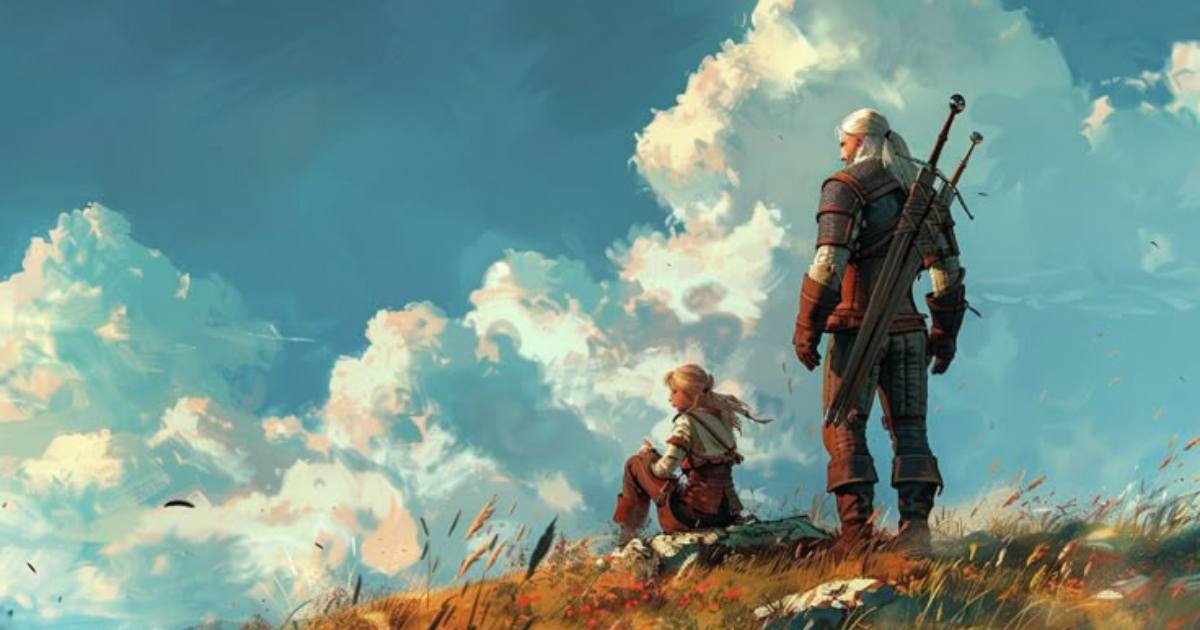
Nostalgia Makes the Bond Timeless
There is some sort of magic in returning to a character a few years after the initial introduction. Maybe it was the first example of a hero that you led through a faithfully long quest, or the companion who helped you to laugh at the world of the game when it seemed heavy. Nostalgia; it is what turns them into moments of emotion.
Returning to these characters, we do not merely return to a game; we are returning to a section of ourselves. The same excitement, fear, or even joy that we experienced in those initial hours of playing comes back, and this is why we loved it in the first place. It is something that connects us with our past and present selves, and solidifies the bond and makes the attachment appear immortal.
The emotional impact remains long after graphics fade, consoles are powered down, and stories conclude. Nostalgia provides the characters with an everlasting quality that is even more lasting than that of the game itself. They claim a place in our personal history, becoming as vivid a part of our memory as any real-life friend or experience.
Heartline Note: Nostalgia transforms our attachment into something enduring. The first time we met a character, the emotions we felt then continue to resonate, making the bond timeless and unforgettable.
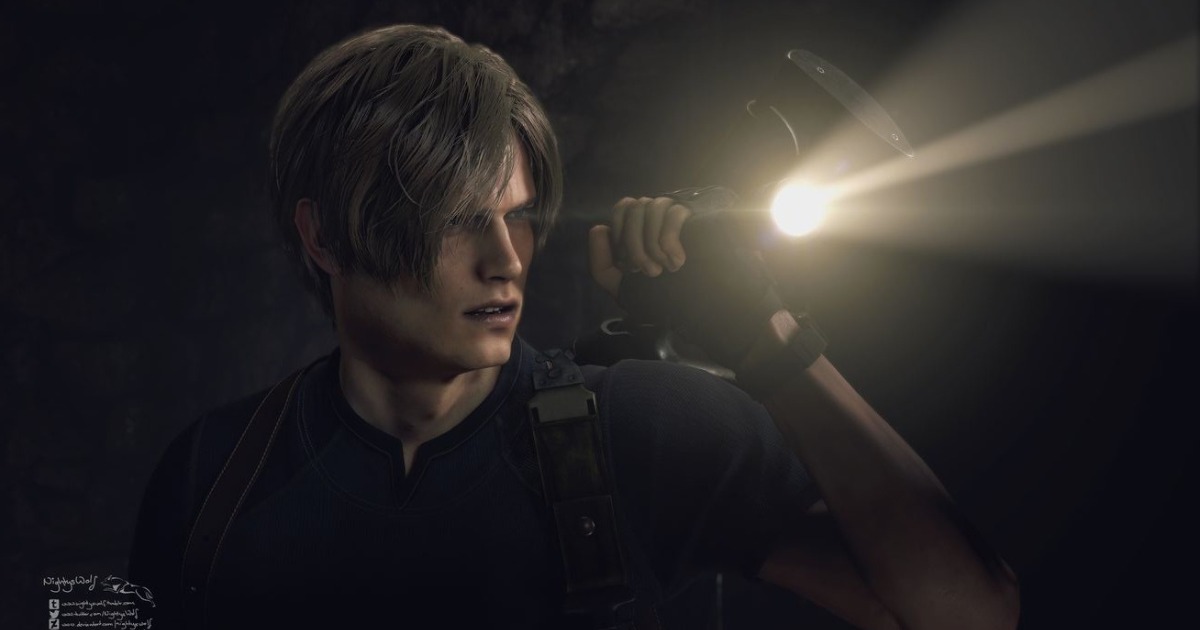
We Carry Their Lessons Beyond the Game
The influence that a game character has on the person does not stop with the credits rolling. We are usually impressed by the decisions they make, the strength that they demonstrate, and the principles they hold. Unconsciously, we apply these lessons to our lives, and they define how we tackle the challenges, relationships, and even our own development.
Courage in a character can also make us confront our fears. Their compassion can serve to remind us that we should treat other people kindly. Their shortcomings, which they managed gracefully or determinedly, show us that mistakes are always a part and not the goal of a journey. These lessons are not imposed; they are internalized, in the natural way of coexisting with a character in his or her world.
It is this emotional transference that makes fictional characters so strong. They do not exist as means of entertainment, but rather shape our choices in the real world, and make us want to be the versions of our lives we wish to be. That is why we keep some game characters forever; they leave us something to ponder over in our hearts.
Heartline Note: Characters don’t just teach us lessons within their stories; they leave lasting impressions that carry into our everyday lives. Every choice they make and every challenge they overcome can inspire growth, empathy, and resilience in us.
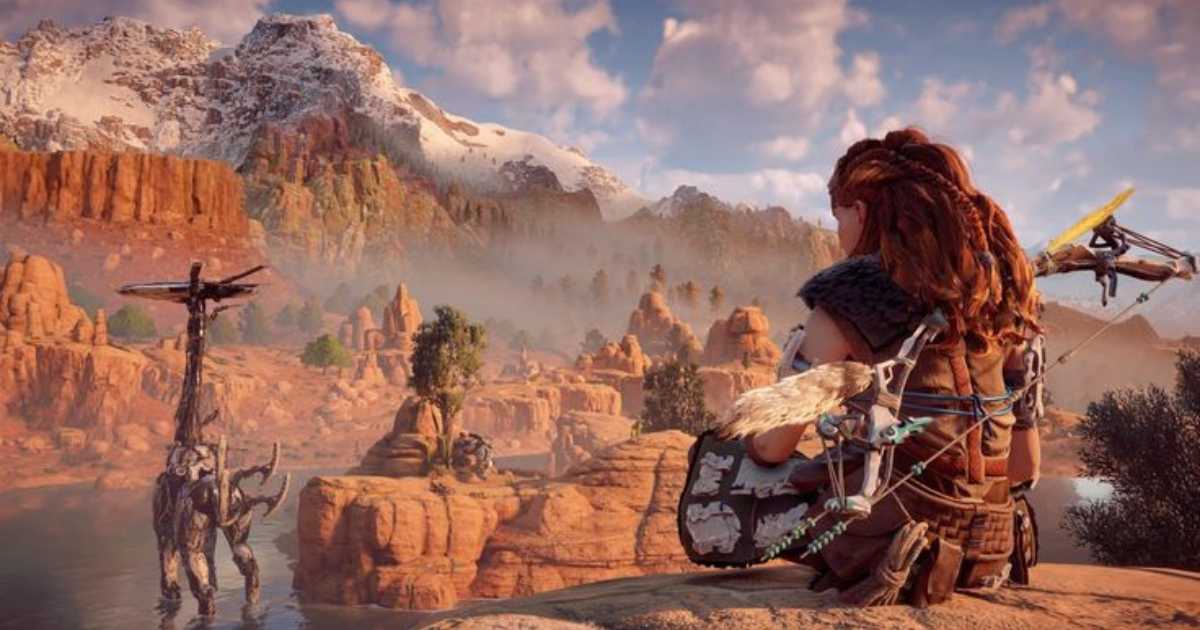
Why Some Attachments Hurt More Than Others
All characters do not have an equivalent impact. Others we give only cursory attention to, and there are those that we still struggle to let go of, even as we are no longer holding the controller. The level of attachment is determined by a number of minor aspects: the time we spent together, personal resonance, the complexity of our journey, and the highs and lows we experienced with them.
Characters that struggle with things that resemble our fears or needs make a closer connection. People who develop in tandem with our decisions are like living beings, and their successes or failures will affect us directly. When they lose, it hurts us; when they win, we rejoice as though it were our win. The more we are emotionally involved, the more we are attached, and, in some cases, the more heartbroken.
This intensity is the reason why certain farewells are heavier than actual goodbyes. The relationship is valued, close, and irreplaceable. It is an acknowledgement that emotional attachments in gaming, despite being fictional, are based on the real-life experiences of people.
Heartline Note: Some characters affect us more deeply because of the shared journey, personal resonance, and emotional investment. These attachments linger, reminding us that the strongest connections often come from the experiences we live, not just the stories we watch.
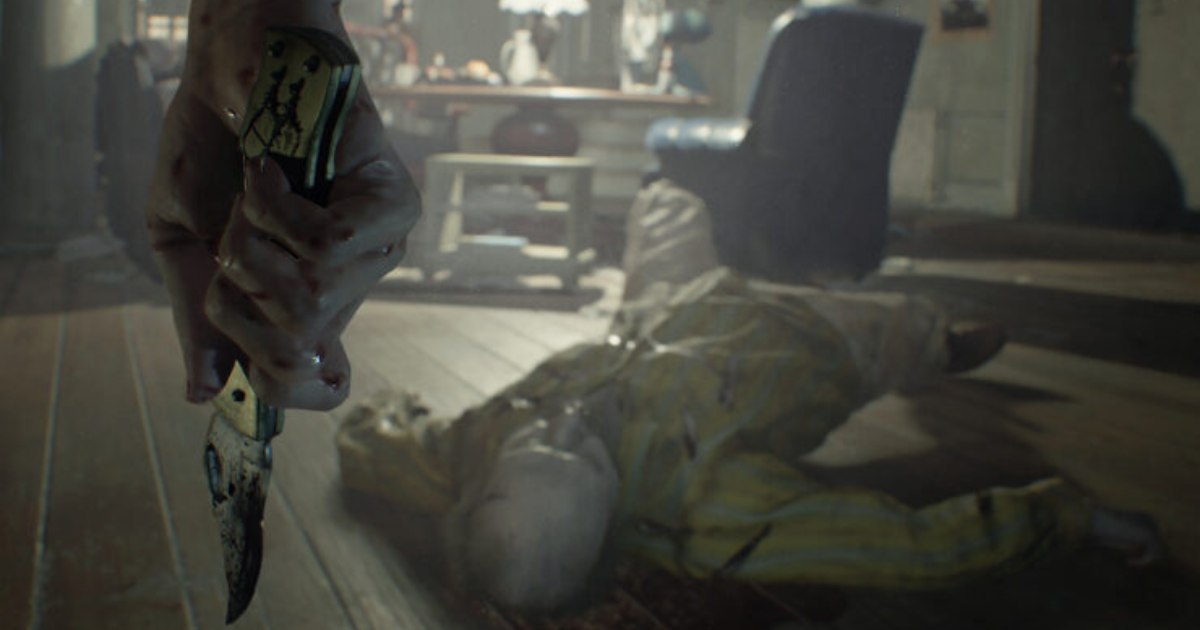
Character Connection Q/A: Why We Care So Deeply
Q1: Why do some game characters feel more real than others?
A: Characters feel real when we experience their journey alongside them. Ellie from The Last of Us and Arthur Morgan from Red Dead Redemption 2 resonate because the games immerse us in their worlds, letting us understand their personalities, struggles, and growth. The more the game engages our attention and empathy, the stronger the bond becomes.
Q2: Can fictional characters influence our real-life behavior?
A: Absolutely. Characters are reflections and inspirations. Aloy from Horizon Forbidden West teaches perseverance and curiosity, while Jin Sakai from Ghost of Tsushima embodies honor and dedication. By engaging with their journeys, we internalize their qualities, subtly shaping our own choices, mindset, and approach to challenges.
Q3: Why do farewells in games feel so heavy compared to movies or books?
A: The difference lies in participation. In games, we don’t just watch a story, we share it. Spending hours alongside Clementine from The Walking Dead game or navigating challenges with Handsome Jack from Borderlands 2 creates a personal connection. Even without knowing story endings, saying goodbye to these companions carries real emotional weight.
Q4: How does nostalgia affect our attachment to characters?
A: Nostalgia strengthens emotional bonds. Returning to Link in The Legend of Zelda or revisiting Max and Chloe in Life is Strange evokes the feelings we had during our first experiences with them. Their presence becomes a comforting reminder of past adventures, making the connection feel timeless.
Q5: Is it normal to feel grief for a fictional character?
A: Completely normal. Emotional attachment doesn’t depend on reality; it depends on connection. Caring about characters like John Marston from Red Dead Redemption or 2B from Nier: Automata reflects genuine empathy and investment. Mourning them is a sign of the meaningful impact interactive storytelling can have.
Conclusion: Why These Bonds Stay With Us
Game characters are more than code, art, or dialogue. They are companions, mirrors, and teachers. Through shared journeys, struggles, and triumphs, they become part of our lives in ways that feel real. They reflect who we are, who we hope to be, and sometimes, who we fear we might become.
The connections we forge are not accidental; they are crafted through immersive experiences, moral choices, and moments that resonate with our deepest emotions. These bonds linger because we’ve lived alongside them, laughed with them, worried for them, and celebrated their victories as if they were our own.
And that is the magic of gaming. A medium that doesn’t just entertain but touches the heart, shapes empathy, and leaves a lasting imprint on our lives. The characters we care about remind us that even in fictional worlds, our emotions are real, and our attachments are meaningful.
Every farewell, every memory, and every lesson carries forward, quietly, subtly, and powerfully, long after the console is turned off.
“In every game we play, we don’t just follow a story, we carry the hearts, lessons, and memories of the characters who walked beside us, long after the screen goes dark.”