Exercise improves mental health in ways we often don’t notice at first.
Some days, the weight you feel isn’t on your body.
It’s on your chest.
You wake up tired even after sleeping. Your thoughts feel louder than the world around you. Motivation doesn’t disappear dramatically; it just quietly slips away. And when someone says, “You should exercise, it’ll help,” it almost sounds insulting. As if a few push-ups could fix what you can’t even explain.
So you don’t move.
Not because you’re lazy, but because you’re heavy in a way no scale can measure.
Here’s the part nobody tells you: exercise doesn’t begin by changing your body. It begins by changing the noise inside your head. Long before muscles tighten or weight drops, something else shifts, subtly, silently. A small sense of control. A brief pause in the mental chaos. A reminder that your body is still listening to you, even when your mind feels lost.
You don’t feel “happy.”
You feel lighter.
And sometimes, that’s enough to keep going.
This is why people who start moving, even badly, even inconsistently, often say something strange: “I don’t know why, but I feel better.” Not stronger. Not fitter. Better. More present. More stable. More themselves.
Exercise doesn’t cure life.
But it teaches your mind how to breathe inside it.
And that’s why its impact on mental health goes far deeper than most people expect, deeper than motivation, deeper than aesthetics, deeper than the gym mirrors and progress photos.
This isn’t about chasing happiness.
It’s about finding steadiness.
Let’s talk about why moving your body quietly reshapes your mind, often before you even realize it’s happening.
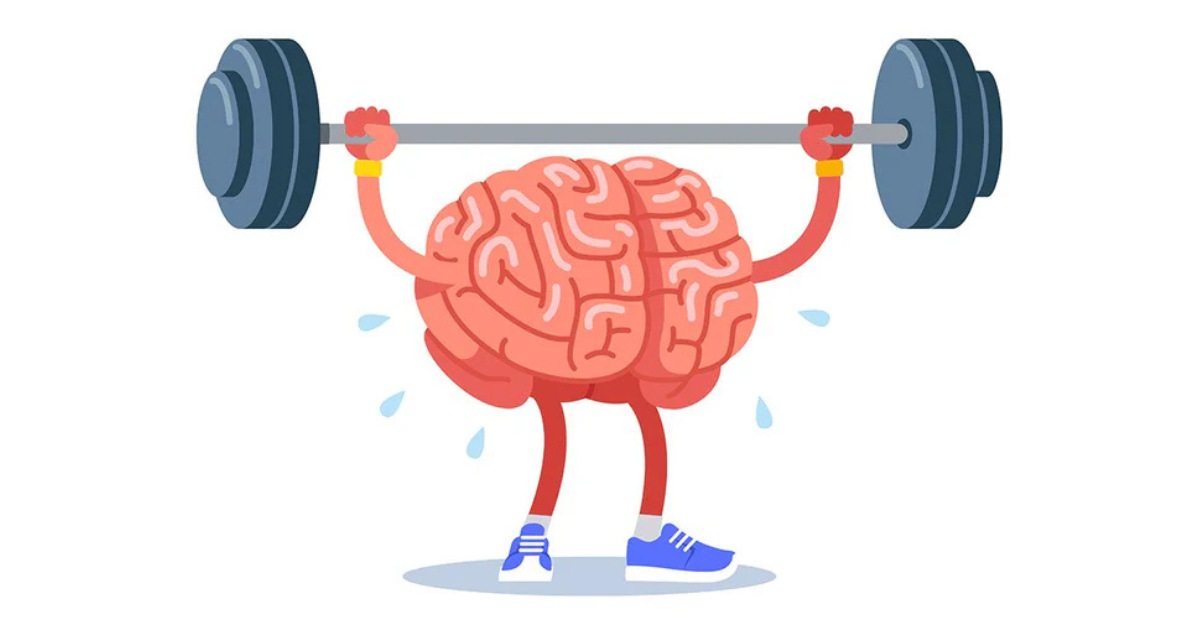
How Exercise Improves Mental Health Before Your Body Changes
Something much more important is in the process of changing before your body records any apparent change; it is your brain.
Most people see fitness as something that happens on the outside: bigger muscles, smaller waist, perfect posture. But the real change starts quietly, where no mirror can show it: inside your mind. Stress lives in your head, where worry, doubt, and overthinking never stop. And yet, with even the smallest movement, your mind begins to feel its own quiet strength returning.
It only takes a single moment of movement, a short walk, a stretch, or a workout you’re barely motivated to start, for your brain to respond, often before your body even catches up.
And when taking the first step feels heavy, learning how to start your fitness journey gently can make all the difference.
Here’s what starts happening before physical results appear:
- Stress hormones like cortisol begin to decrease.
- Feel-good chemicals like endorphins and serotonin gradually rise.
- Your nervous system shifts out of constant fight-or-flight mode.
- Mental clutter softens, even if your life hasn’t changed.
- You regain a small sense of control over your day.
Even a minimum workout can be weirdly calming. You did not work out your troubles. You didn’t “win” the day. And suddenly, the weight in your mind eases, giving your thoughts room to breathe.
It is not about the intensity or perfection of the workout that your brain is responding to, but it is responding to action. An appearance conveys a message: I am taking care of myself, even when it is difficult. With time, this little signal re-wires your brain. Bad days heal quicker, emotional peaks level out, and you begin to respond rather than react.
Working out isn’t just about building muscles; it’s training your emotions, too. Even before your body shows any visible change, your mind begins to feel lighter. And it’s that quiet, almost invisible shift that keeps people coming back.
A Quiet Reminder: Even gentle movement counts. Your brain recognizes care long before your body shows progress. Progress isn’t always visible, and that’s okay. Every small action matters.
Movement Reduces Stress Without Needing Motivation
Stress does not seek approval. Schedules, emails, unforeseen issues, everything comes at the same time, and in a moment, your mind starts running in circles. The desire to work out seems distant, and the idea of exercise may seem unbearable.
The thing is this: you need not be motivated to start moving. Even minor, flawless actions, like stretching, a short walk, or a few bodyweight exercises, send signals to your brain to the effect that stress can be relaxed. Movement is the bridge between feeling overwhelmed and finally being able to breathe again.
Even gentle back exercises you can do at home help release tension your body holds, giving your mind space to breathe and reminding you that movement, however small, matters.
Here’s what happens when you move under stress:
- Heart rate stabilizes as your nervous system resets.
- Muscle tension slowly releases, easing physical tightness caused by stress.
- Your mind shifts focus from problems to action, breaking mental loops.
- Breathing patterns improve naturally, calming racing thoughts.
- Small wins trigger a subtle sense of accomplishment.
A difference of five minutes can occur. You are not necessarily feeling motivated, yet your body is already telling you that it is all calm. The very fact of relocating, no matter how small, makes your brain think that stress is temporary, not here to stay.
This is why so many people notice a lightness after even a short bout of exercise, even if their day hasn’t changed. It’s not magic, it’s your body and mind quietly reminding you that you’re capable of more than you realize.
A Quiet Reminder: You don’t need the perfect mood or the perfect day to benefit. Movement alone is enough to start calming your mind and reducing stress. Every small action counts, especially on days it feels hardest.
Why Consistency Matters More for Mental Health Than Intensity
It’s easy to think that only long, intense workouts matter, that your mental health improves only after a perfect gym session. But the truth is simpler and far more encouraging.
Stability is the secret of mental health, rather than perfection. The frequent, even brief, movement sessions are an indication to your mind that you are serious about your own well-being. These small but regular exercises create a background of relaxation, steadiness, and strength that no intense workout, however tough, can offer.
Here’s why consistency is so powerful for your mind:
- Repeated movement trains your brain to manage stress better.
- Daily small wins build confidence that carries into other areas of life
- The nervous system adapts to regular activity, making emotional regulation easier.
- Habits form quietly; your brain starts expecting care and responding positively.
- Long-term mental clarity grows even if physical changes are slow.
A 10-minute routine daily can be much more effective than hour-long sessions that occur at an irregular schedule. The frequency of appearance is more significant than the amount of work. Your mind starts to trust you. Your brain feels safer. And slowly, almost without noticing, the weight of stress begins to ease.
Heroism doesn’t have anything to do with consistency; it has everything to do with being. Being there is more than being a perfectionist. It is the small everyday decisions that change how your way of thinking copes with life step by step.
A Quiet Reminder: Mental health benefits don’t wait for perfect workouts. Small, consistent actions, done daily, are far more powerful than rare bursts of intensity. Keep showing up. Your mind notices.
Exercise Builds Emotional Control, Not Just Muscles
When we think of workouts, we think of physical strength. Stronger biceps, flat stomach, stamina, but emotional strength? The mobility of the body trains the mind as much.
Each run, stretch, or push-up puts your patience, concentration, and self-control to the test. Your brain comes to accept the pain, strain, and be present. These mental capabilities, with time, will leave the gym, and you will have greater control over your reactions, decisions, and emotional spikes.
Here’s how exercise strengthens emotional control:
- It teaches delayed gratification, results take time, just like emotional growth.
- Pushing through discomfort helps you manage frustration calmly.
- The focus required during exercise enhances mindfulness and presence.
- Stressful thoughts are disrupted by intentional movement.
- Emotional resilience increases as your brain adapts to manageable challenges.
This is not about perfection and painlessness. It is about trying to demonstrate to your mind that difficulties are not eternal, they are not insurmountable, and that you can survive. The greater the practice of this in short spurts by way of exercise, the greater your emotional control increases, before physical modifications become conspicuous.
A Quiet Reminder: Every workout is a rehearsal for life. Strengthening your body quietly teaches your mind how to handle discomfort, frustration, and pressure with more calm and clarity.
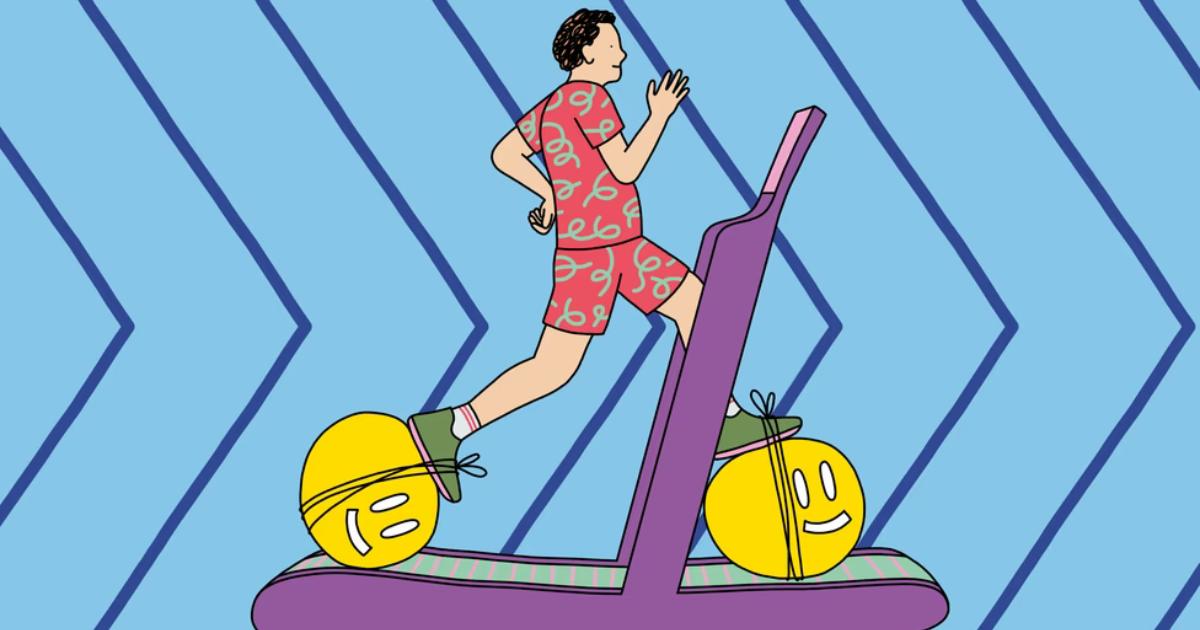
Confidence Improves Before Physical Results Appear
One surprising truth about exercise is how it boosts your confidence, long before anyone can see a change in your body, your mind is already growing stronger. The mere presence of turning up, going through pain, and doing a workout, including a little one, gives your mind a little but powerful push.
Confidence does not only exist in the appearance of strength or fitness. It has something to do with understanding that you can take care of your own life, despite the fact that it may be heavy, messy, or chaotic. Exercise is a form of training your brain to remember that you are strong, determined, and able.
Here’s how confidence begins to grow through exercise:
- Completing small workouts reinforces a sense of achievement.
- Regular movement builds trust in your ability to follow through.
- Overcoming minor physical challenges boosts self-efficacy.
- Mental toughness grows alongside physical effort.
- The brain starts associating action with personal capability, not just physical change.
Although the scale does not change and your mirror is not showing any change, your mind is already rewriting your inner story. You experience a silent pride, an unobtrusive faith in yourself, and the assurance that you will be able to cope with difficulties, both outside and within the gym.
A Quiet Reminder: Confidence doesn’t wait for visible results. Every small step you take reinforces your sense of capability. Your mind notices your effort long before your body reflects it.
Fitness as a Safe Mental Reset Button
Life moves fast. Time limits, workload, emails, phone calls, they keep on coming until you feel that your mind is being pulled to its extremes. You simply need a break. You need to have some type of space to relax, to restore, to feel calm again. Working out can become that sure reset button to the state of mind.
Though you move, you forget what you were thinking about. Swirling thoughts are substituted with physical sensation. Your brain is informed by your body: That you are doing something, that you are in control, this is your moment. A brisk walk or even a couple of stretches can serve as some sort of buffer between you and the stress that accumulates in day-to-day life.
Here’s why exercise works as a mental reset:
- Physical movement interrupts stress loops in your brain.
- Endorphins and neurotransmitters provide a natural mood lift.
- Focusing on motion helps you live in the present moment.
- Muscles relax, signaling to your mind that tension is releasing.
- Small achievements build reassurance, even on chaotic days.
Workouts do not solve issues, but open the possibility of your mind recreating, refreshing, and facing your difficulties with fresher thinking. It reminds you that you possess the means to make your way through life stress, even when the whole situation seems like too much.
A Quiet Reminder: Exercise isn’t just about changing your body; it’s a mental pause button. Every movement, no matter how small, gives your mind a chance to reset, recover, and regain clarity.
Why “Bad Workouts” Still Help Your Mind
Not all workouts were going to be ideal. There are days when one lacks energy, the desire to do something is absent, and each movement is a challenge. One can easily believe that, except when a session is intense and flawless, it is wasted. However, this is the reality, here, and even bad workouts count, in particular, for your mental well-being.
Movement, no matter how much of it you perform, will signal to your brain that you are working on yourself. It helps to create a feeling of agency and strength and reminds your mind that perfection is less important than effort.
Here’s how even imperfect sessions benefit your mind:
- Stress hormones decrease simply from moving, regardless of effort level.
- Your brain receives the consistent signal that you are capable of showing up.
- Completing a session, however
- Even small efforts quietly strengthen your self-trust and build emotional resilience.
- The habit of moving creates momentum for future workouts.
- Mental clutter is disrupted, giving you small moments of clarity.
The following time you are tempted to quit because your workout is not good enough to count, it is important to remember that perfection is not the point. It’s in the act of showing up. Any push, step, or stretch is a vote of confidence in yourself.
A Quiet Reminder: A workout doesn’t need to be perfect to benefit your mind. Effort, consistency, and presence are what truly matter, especially on the days it feels hardest.
Exercise Teaches Your Brain to Handle Life Better
Exercise doesn’t just build muscles or burn fat; it trains your mind for real life. Every time you push through exhaustion or struggle, your brain practices resilience. And slowly, that training spreads into every corner of your life, helping you handle stress, setbacks, and uncertainty with greater calm and control.
Mini aerobic sessions can help an athlete to train their mind that difficulties are short-term and can be overcome. They remind you that hard work pays off, time is powerful, and persistence is worth it, lessons that reach far beyond the gym.
Here’s how exercise prepares your brain for life:
- Builds patience by showing that effort produces results gradually.
- Strengthens problem-solving skills as you navigate physical challenges.
- Reduces reactivity by teaching calm under strain.
- Boosts emotional resilience, helping you recover faster from setbacks.
- Instills a subtle but lasting sense of accomplishment and self-trust.
Beauty is not noisy: you do not see it every day. However, with weeks and months, your mind is more stable, cool, and more certain. Working out not only prepares your body to work, but also prepares your mind to live.
A Quiet Reminder: Every movement is a rehearsal for life. Each workout, no matter how small, trains your brain to stay calm, resilient, and ready for whatever comes next.
Q/A for Tough Days
Q1: How quickly does exercise start improving mental health?
A: Imagine Alex, who felt constantly anxious at work. He started with just 10 minutes of walking a day. Within a week, he noticed moments of calm that hadn’t existed before. Exercise doesn’t always show dramatic effects overnight, but small, consistent movement quietly reshapes your mind. Those tiny shifts add up, giving you mental clarity and resilience before the scale or mirror shows a difference.
Q2: Do I need to do intense workouts to see mental benefits?
A: No. Take Mia, who hated the gym. She started stretching and doing gentle yoga in her living room. Over time, she felt calmer, less overwhelmed, and more focused. Your brain responds to movement, not intensity. Even short, low-effort sessions send signals that reduce stress and improve mood.
Q3: What if I feel too stressed or tired to exercise?
A: That’s exactly when it helps the most. Jake, juggling school and work, often felt exhausted, but he committed to 5-minute walks during breaks. Each time, his stress lifted slightly, giving him a moment to breathe. Mental health benefits don’t require perfection; just showing up counts.
Q4: Can exercise help with anxiety and overthinking?
A: Absolutely. Every movement acts as a reset for your mind. Lily, who struggled with racing thoughts, found that short workouts helped her focus on her body rather than the noise in her head. Movement interrupts loops of worry and teaches your brain to pause, respond, and stay present.
Q5: How do I stay consistent when I don’t feel motivated?
A: Motivation is fleeting. The key is habit, not inspiration like Sam, who set a daily goal of just 7 minutes of stretching. Even on tough days, he did something small. Over weeks, his brain began expecting movement and reacting positively, building mental resilience before physical results.
Q6: Can “bad workouts” still help my mental health?
A: Yes. Even when workouts feel slow, weak, or incomplete, your brain still benefits. Every action sends a quiet message of care, consistency, and capability. Like Emma, who sometimes walked slowly instead of running, her stress still decreased, and her confidence quietly grew. The effort matters more than perfection.
Curious about the science behind it all? The Mayo Clinic confirms that even simple, regular exercise can calm your mind, lift your mood, and support lasting mental health. Read more here
Conclusion: Finding Calm in Motion
The journey doesn’t begin with perfect workouts or instant results. It begins with a single step, a single movement, a single moment where you decide, I will show up for myself today. And that choice, quiet, small, almost invisible, is where change begins.
Your mind feels it first. The stress softens, the noise eases, and a little clarity arrives like sunlight through clouds. Your body follows, eventually reflecting the dedication you’ve already shown to your mental health. But even before that, you are already stronger. More capable. More resilient.
Exercise teaches lessons no mirror can show: patience, consistency, emotional control, and quiet confidence. It reminds you that challenges are temporary and manageable, that every small action matters, and that life doesn’t have to overwhelm you completely. Each movement is a signal to your brain: you are cared for, you are capable, you are enough.
This isn’t about chasing perfection. It’s about honoring effort, showing up even on hard days, and trusting that each small choice compounds into lasting strength, for your mind, your body, and your life.
“Your mind and body are allies, not enemies. Every small move you make today is proof that you are stronger than yesterday, and ready for whatever comes next.”