Is God of War 2018 worth playing in 2026? This question feels more relevant today than ever.
Time has a way of exposing what was built to last.
Trends fade. Mechanics evolve. Graphics improve.
Yet some experiences remain untouched by the passing years, not because they are technically superior, but because they were crafted with something deeper in mind.
God of War (2018) is one of those rare games.
In 2026, surrounded by louder worlds, faster combat systems, and endless content loops, returning to this game feels strangely calming. The opening moments do not rush you. There is no demand to prove yourself. No pressure to perform. Just a man, a child, and a silence heavy with meaning.
Kratos no longer storms into the world fueled by rage.
He walks. He observes. He carries grief the way a warrior carries a blade, quietly, carefully, and always ready to wound if mishandled.
This is not a story about gods and monsters alone.
It is about restraint. About responsibility. About learning when not to strike.
As players, we have changed since 2018. Life has added weight. Expectations have shifted. Attention has become fragmented. Yet God of War meets us exactly where we are, not trying to impress, but inviting us to slow down and listen.
That is why, even in 2026, this game does not feel old.
It feels patient.
And patience, as it turns out, ages better than power. God of War (2018) received universal praise for its storytelling, combat, and design, earning recognition as one of 2018’s best games. (PlayStation Blog)
Time Has Passed, The Game Hasn’t
Eight years is a significant duration in the gaming industry.
Whole engines have been changed.
Genres have come up, reached their peak, and faded silently.
What was revolutionary in the old days is nowadays usually dismissed as old-fashioned.
And yet, God of War (2018) feels strangely untouched by time.
The reason is that speed was never pursued in the game. It was not created to confuse players with constant goals to achieve and flashy systems. Rather, it took a more uncommon course, the course of pacing, silence, of slow motion.
The game also imparts patience from the very first moments.
You lose nothing by carrying your sorrow.
You do not rush growth.
Responsibility is not something that you avoid.
God of War’s systems all follow the same rhythm. Combat demands focus. Discovery rewards those who look closely. Advancement isn’t about speed; it’s about truly knowing the world you walk through.
By 2026 standards, this design feels defiant. While contemporary games bombard you with systems and alerts, God of War moves at its own deliberate pace. God of War does the opposite. It will leave the player to take his time. To stay present. To let moments breathe.
Time has ironically turned out to be the greatest friend of the game.
Certain games are old-fashioned due to the fact that they were developed on older technology.
Others survive since they were constructed on purpose.
God of War (2018) is firmly of the second kind, built with purpose, not by accident.
Axe of Reflection: Some lessons in gaming come in the quiet moments. God of War (2018) isn’t just about swinging an axe; it’s about slowing down, observing, and feeling the weight of every choice. Take a breath, notice the world, and let these moments stay with you.
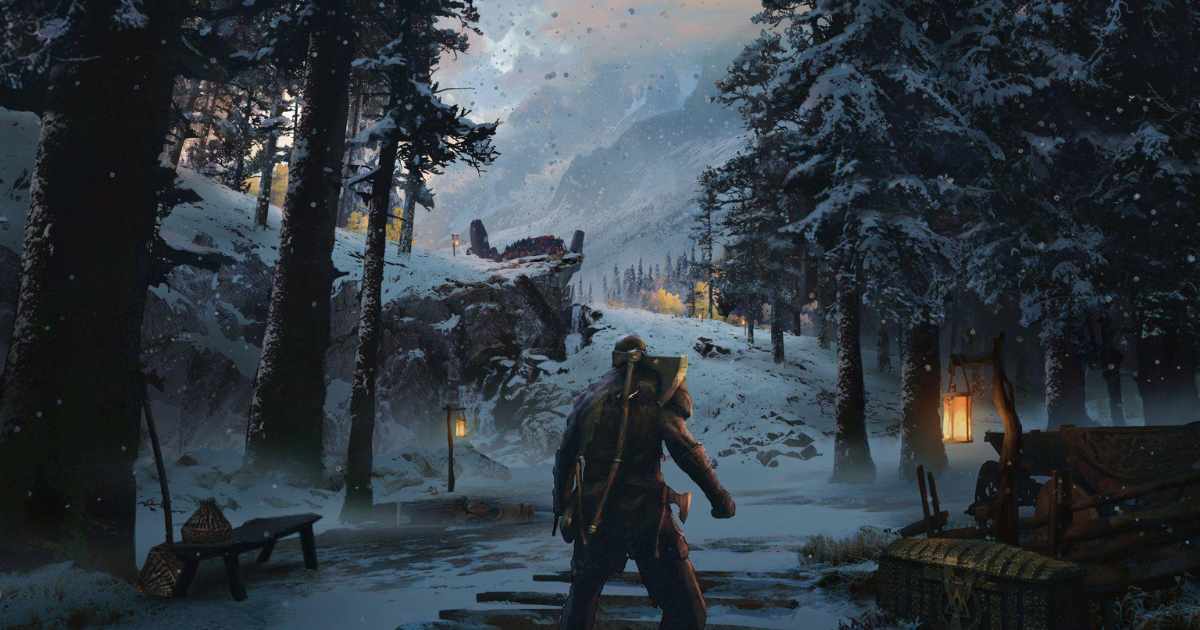
A Warrior Learning Restraint
Kratos has changed.
He is no longer a character of pure rage. Now, he moves cautiously through the world, shaped by grief and carrying the weight and responsibilities of fatherhood. It is in every choice that you make, not because the game is going to penalize you, but because the story will make you realize what will happen as a result of your actions.
This change is reflected in combat in God of War (2018). Every swing of the Leviathan Axe is heavy. Time is not just about causing harm; it is about presence, being, and the weight of existence. Positioning is not a strategy; it is a responsibility. It is through the game that one learns the lesson that there is no meaning in power that is unchecked.
And it’s not just the fights. The dialogues, when there is nothing to say, all that strengthens moderation. You experience it through the breaks, the little animations, and how the world responds to you.
In 2026, this feature feels more relevant than ever. The titles of modern times tend to sensitize their users, and they learn to operate first and think later. God of War flips this script. It teaches us that moderation is a kind of strength itself, that power, patience, and wisdom are what make triumphs deeper.
Kratos’s transformation mirrors the player’s journey. To truly engage, one must be patient, respect the weight of consequences, and consider every step carefully. It is a lesson that is subtly taught even after one leaves the screen.
Axe of Reflection: Strength isn’t always loud. Kratos shows that restraint, patience, and mindful action carry their own power. Take a moment to observe, think, and act with intention, both in-game and beyond.
Combat That Still Feels Intentional
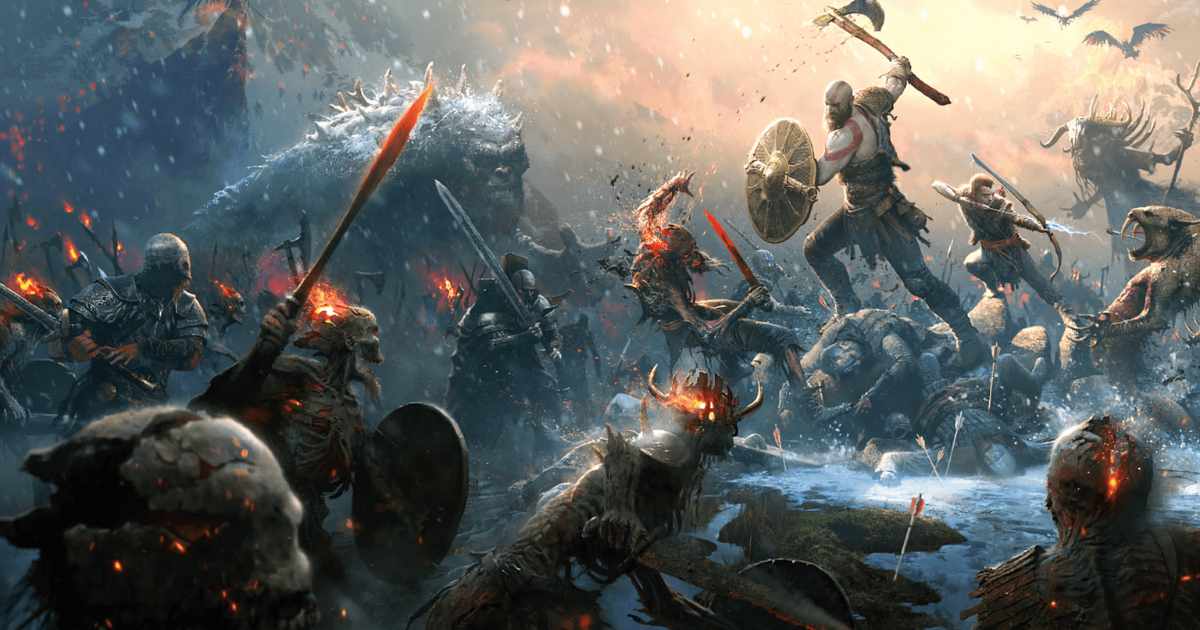
All the experiences in God of War (2018) are intentional. The game does not give victory on a silver platter. Every swing of the Leviathan Axe, every parry, every dodge requires thought, timing, and being.
Fighting is not only a mechanic, but it is a language. It educates us about patience, strategy, and mindfulness. Enemies are not just obstacles; they are part of the game’s rhythm, inviting the player to listen, respond, and adapt. The game makes one think even in the middle of the battle: What is the most important move at this point? What option will be significant?”
This careful design extends beyond combat. Sightseeing, solving puzzles, and exploring side paths are all thoughtfully placed. There are no distractions; they belong to the same beat, and they strengthen that action without thinking.
This design continues to be revolutionary even years after it was released. Most current games favor flashy, fast sequences, but God of War is willing to make the gamer slow down. It honors the mind, concentration, and involvement, and it teaches that combat need not be mad to be good.
It is this conscious attitude that will make players come back in 2026. All the experiences are hard-won. All the success is felt as it is intelligent, considered, and effective.
Axe of Reflection: Fight with awareness, not just strength. Every move has weight; let it teach patience, thought, and the quiet satisfaction of mastery.
A World Built for Presence, Not Speed
The world of God of War (2018) does not require your eyes. It invites them.
Every forest, mountain, and fjord is more than just scenery; each one carries a sense of calm and presence. The rustling of the trees, the remote song of a bird, the murmur of water on the stones, all these are all in the rhythm. The game does not rush you. It whispers that observation is important, presence is optional, and that time spent in noticing is never wasted.
It is not a side story that needs to be explored. All the lost lanes, lost objects, and sparkling details provoke patience and thought. There is no need to rush and find meaning; it is a silent meaning to those who pause and notice it.
This design also includes combat pauses. The camera is never distant, and it does not take you out of the setting. Every swing, every movement has a burden, not only in battle, but in the space around you. The world responds, not as a mechanism, but intentionally, providing you with a feeling that you have a presence.
In 2026, this methodology seems like one of the lessons that most contemporary games have forgotten. God of War is a silent protest in a culture that is maniacal in its fixations on speed, attention spans, and immediate gratification. It helps players to remember that seeing, touching, and getting absorbed can be as rewarding as achieving goals.
Axe of Reflection: Slow down. Walk, observe, and let the world teach you. Presence is as important as action, and the quiet moments often hold the greatest lessons.
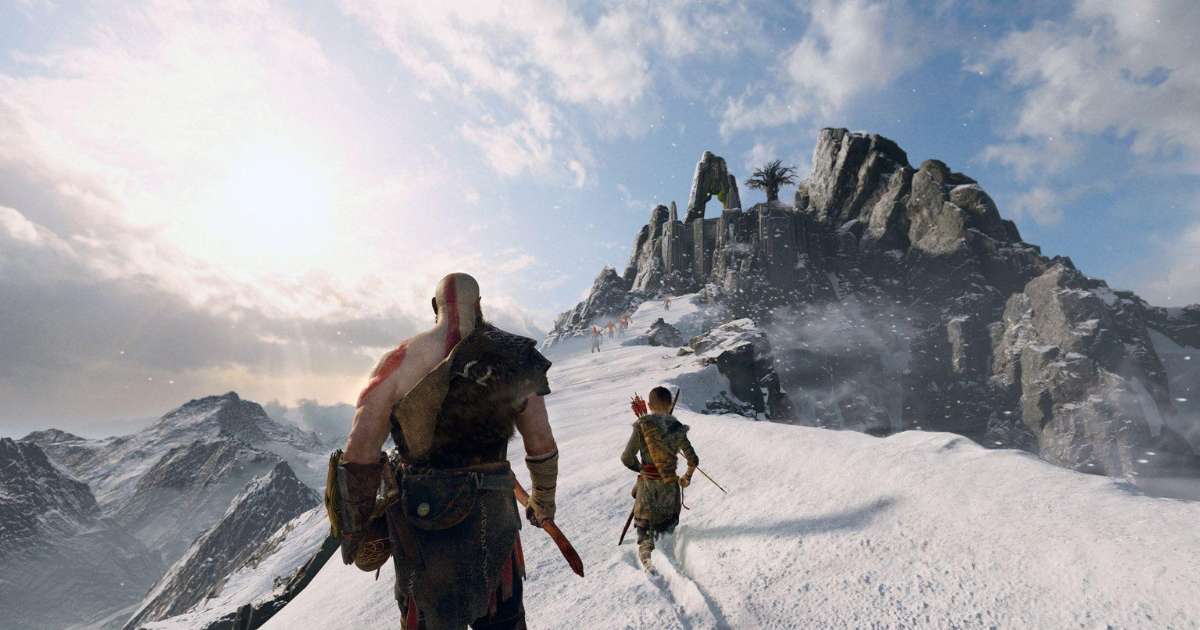
Storytelling That Ages Like Fine Wine
The tale of God of War (2018) does not shout at the audience; it creeps at a low speed, as smoke drifts through the corridors of a silent house.
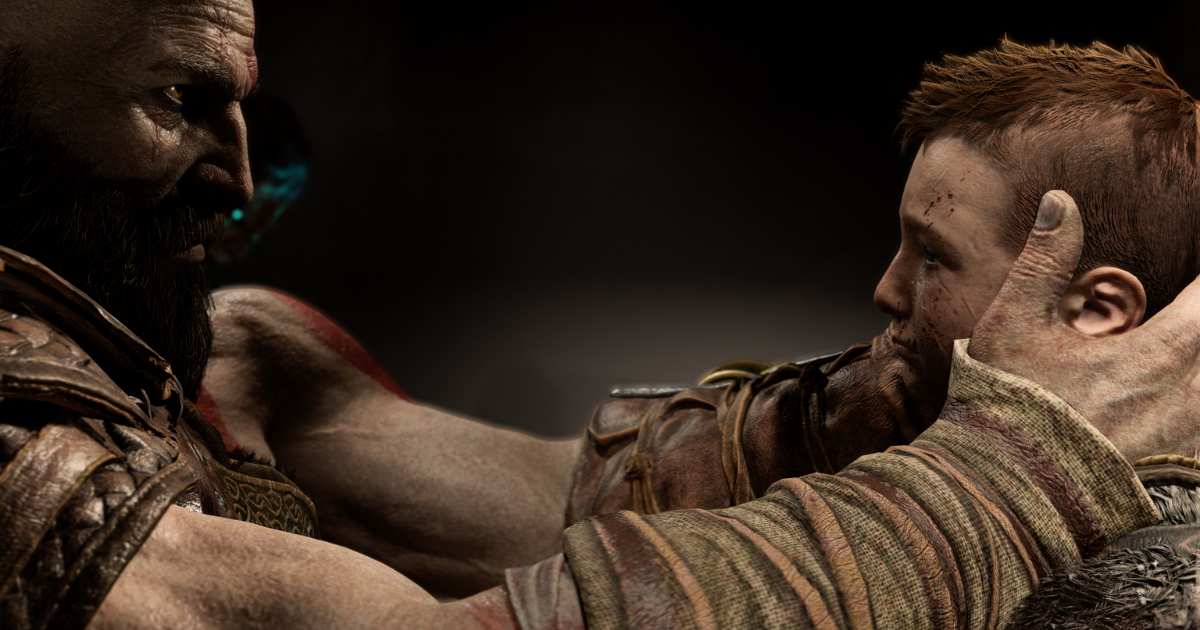
Kratos and Atreus travel through a mythic world, but their journey is deeply personal. Each word, look, and indecision is weighty. Their bond is not built through grand gestures alone, but in the silences, subtle adjustments, and moments of vulnerability. You feel the concern, the humor, the pride, and the uncertainty.
Years after its release, the story remains relevant, exploring timeless themes: tragedy, duty, maturity, and the struggle to balance authority with restraint. It is a tale that grows old with grace, since it has never been merely about the show, but about richness, passion, and intimacy.
The game is confident that the players will explore the story of the game at their own pace. You are not in a hurry to complete goals and neglect dialogues. You are welcome to hang around, to meditate, and to realize that the most outstanding things are sometimes minor.
This storytelling is still considered a standard in 2026. Modern games value rush, sensational turns, but God of War shows that calmness, patience, and emotional integrity are eternal. Its story endures, resonating with players and reminding us that the true power of a narrative isn’t measured in spectacle, but in the emotions it stirs within the heart.
Axe of Reflection: Listen closely. Let the story unfold at its own pace. The quiet moments often reveal more than the loudest battles.
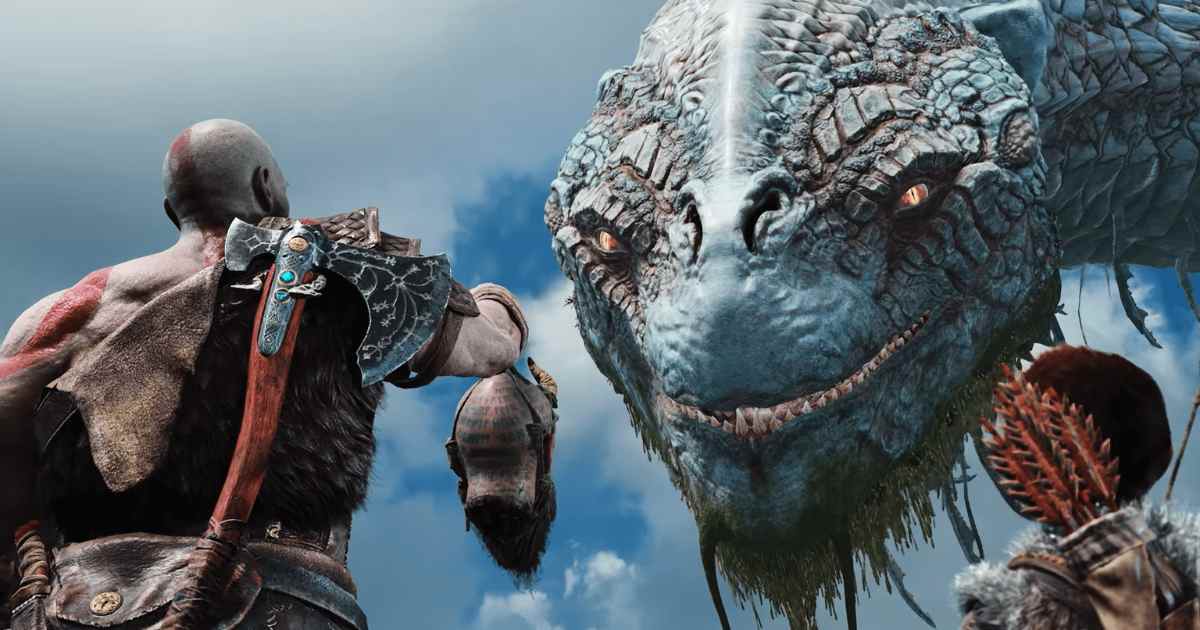
Moments That Linger
Certain scenes in God of War (2018) do not require one to pay attention to them; they make him/her do so.
A look between Kratos and Atreus. The morning sun lit on snow-covered mountains. An empty village, a silent village, with a load of untold stories in it. These are not the moments to thrill or shock; they are moments to stay.
The game knows that the influence is usually unobtrusive. One well-timed moment of silence or a look or how the wind blows through the trees can be as much of an emotion as a dozen battle scenes. These quiet, meaningful pauses make the game linger in memory far longer than any boss fight or flashy cinematic moment.
Now, in 2026, going back to such moments is like picking up a book that a person has read several years ago. The information is not new, but something different is discovered due to the fact that the world is a living and breathing being. The game gives a reward to observation, patience, and reflection, which are trained not only on the screen but also in real life.
God of War teaches that the power in a game is not in your rate of progress, but in the intensity of feeling that you experience.
Axe of Reflection: Notice the small moments, they stay with you long after the game ends. Presence, observation, and patience turn ordinary scenes into lasting memories.
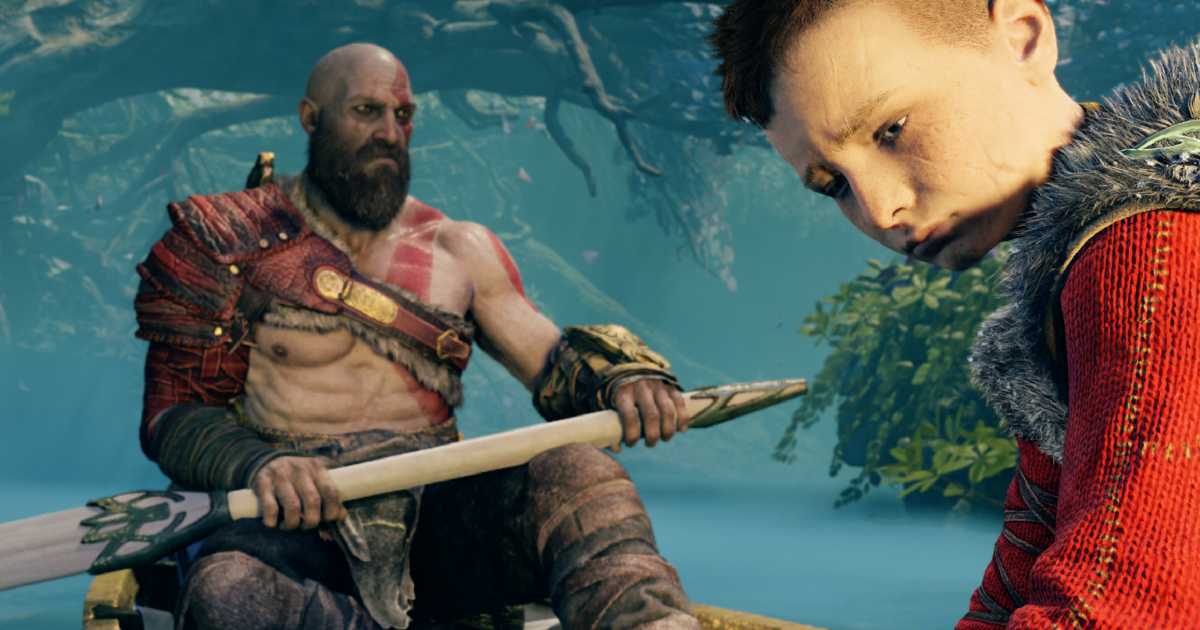
Is God of War 2018 Worth Playing in 2026 for New Players?
Eight years later, and still, new players take God of War (2018) as the one that just came out of the stores. Why?
It is not based on only trends or flashy gimmicks. It is agelessly attractive and its desirability: a tale to feel, a battle to think on, a world to spend time in. The game does not require you to pursue scores or chase notoriety; it requires you to be there, traverse, and interact.
Backward compatibility has enabled it to be available to modern players, but that is not the only reason why it has been so relevant. Replayability, word-of-mouth, and the emotional appeal of the story keep players coming. Even in 2026, a person who finds out about the journey of Kratos will be able to experience the burden of his past, the slight comedy, and the teachings of moderation.
Its consistency, too, is reassuring. In contrast to most of the modern games, which tend to be shallow in their plots, God of War provides a world that is alive, thoughtful, and patient, which can be noticed by both newcomers and returning players.
Its lasting impact isn’t accidental. It was crafted deliberately, with care, and with what truly matters in mind: the player’s connection to the story, the world, and its characters.
Axe of Reflection: A great game doesn’t lose relevance; it invites discovery, over and over. Be open to experiences that withstand the years, and you may find lessons you never expected.
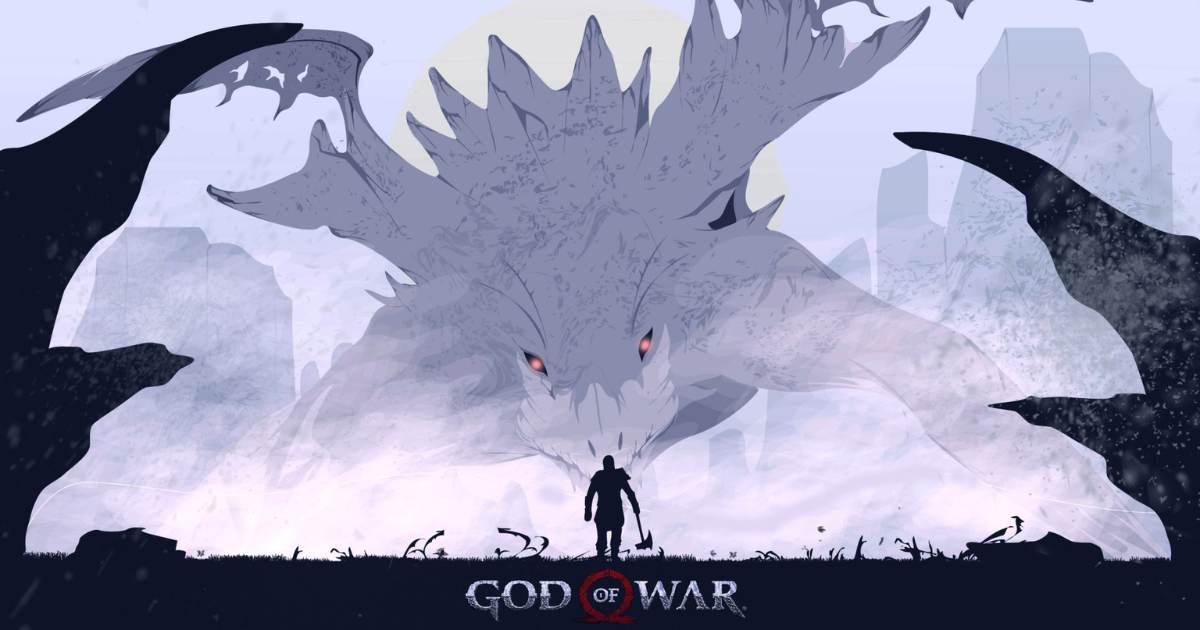
Timeless Lessons Beyond the Game
God of War (2018) is more than a game. It serves as a mirror, reflecting stoic patience, quiet restraint, and the weight of every decision.
Being Kratos and Atreus is not only a question of killing people and passing the missions, but it is a question of knowing what will happen, seeing the world, and knowing when to move and when to rest. When the console is turned off, these lessons do not stop; they are transferred over into the way we deal with things and issues in life, and how we relate to others and make our decisions.
The game teaches us that development is hardly overnight. Strength is not always loud. Being in the moment or presence, as we can all call it, can be more of a teacher than any show or adrenaline rush.
These lessons will stay even in 2026 when graphics, mechanics, and trends will be developed further. They are eternal because they are human. They are universal. And they are quiet, like the lessons of a well-lived journey.
Axe of Reflection: Carry the weight of your choices. Observe before acting. Let patience, presence, and reflection guide you, not just in-game, but in life.
Lessons Beyond the Axe
Q1: Is God of War (2018) still worth playing in 2026?
A: Absolutely. Its story, characters, and world design are timeless. The game doesn’t chase trends; it focuses on emotion, presence, and intentionality, qualities that remain powerful years after release.
Q2: Can new players enjoy it today, or is it “too old”?
A: New players can fully enjoy it. The narrative is universal, combat is intuitive yet deep, and the world rewards patience and observation. In many ways, the game feels fresh because it asks you to slow down, notice, and reflect, a rarity in modern gaming.
Q3: How does combat hold up in 2026?
A: Combat still feels deliberate and satisfying. Every attack, parry, and dodge carries weight. While many modern games prioritize speed or spectacle, God of War rewards thoughtful action and timing, making every encounter meaningful.
Q4: Is the story still engaging for returning players?
A: Yes. The emotional depth, father-son dynamic, and mythological richness remain compelling. Returning players often notice subtleties missed the first time, proving the narrative’s enduring strength.
Q5: What makes this game different from other AAA titles today?
A: Its restraint and intention. While many modern games overwhelm with mechanics and flashy visuals, God of War focuses on patience, presence, and emotional resonance, timeless qualities that continue to set it apart.
Q6: Can these lessons be applied outside gaming?
A: Definitely. Patience, reflection, observing before acting, and valuing presence are lessons that extend beyond the screen. The game encourages mindful decision-making, skills as relevant in life as they are in battle.
Echoes of Midgard
Returning to God of War (2018) in 2026 is like stepping into a world that remembers you. The forests, the mountains, the icy rivers, they are unchanged, yet every moment feels new, because you have changed.
Kratos and Atreus do not simply journey; they teach. They remind us that true strength is measured not in speed or rage, but in patience, presence, and the weight of our choices. That restraint can be more powerful than fury, that observation can be more rewarding than action, and that quiet moments often leave the deepest marks.
The game lingers long after the console powers down, echoing in the spaces of thought, teaching lessons that extend beyond the screen. Its story, its world, and its quiet wisdom remain timeless, not because it is flashy, but because it is human.
In a world that rushes, where attention is fleeting, and noise is constant, God of War reminds us to slow down, reflect, and carry its lessons forward. These echoes are not of battles won, but of presence felt, choices made, and moments truly lived.
“True strength is not in the battles you win, but in the moments you pause, the choices you carry, and the presence you hold.”