I woke up that morning with the same heavy feeling I had grown used to, a mix of cravings, guilt, and exhaustion tugging at me before the day even began. Every meal felt like a test I was failing, every snack a quiet reminder that I wasn’t in control. My energy crashed constantly, my focus drifted, and the simple act of eating had somehow become a source of stress. It was in that moment that I realized that embracing mindful eating habits might be the key to finally reclaiming my energy, my focus, and my sense of control over food. But the question remained… where to start?
Then, slowly, it clicked. I didn’t need a strict diet or a complete overhaul. I needed real, actionable changes, small shifts that could finally let me reclaim my energy, my focus, and my life. I realized that food no longer had to control me; I could make it work for me.
That day marked the beginning of a journey, one that wasn’t about perfection, guilt, or deprivation. It was about understanding myself, listening to my body, and making choices that fueled me instead of draining me. I began experimenting, noticing what worked and what didn’t, learning lessons with every meal, every snack, every sip of water.
Through this journey, I discovered 6 key changes that completely transformed my relationship with food. Changes that gave me back control, clarity, and confidence. Changes that weren’t overwhelming, but deeply impactful. And in sharing them with you, I hope you can take the first steps toward your own transformation, one mindful choice at a time.
Recognizing the Problem: How Food Controlled Me
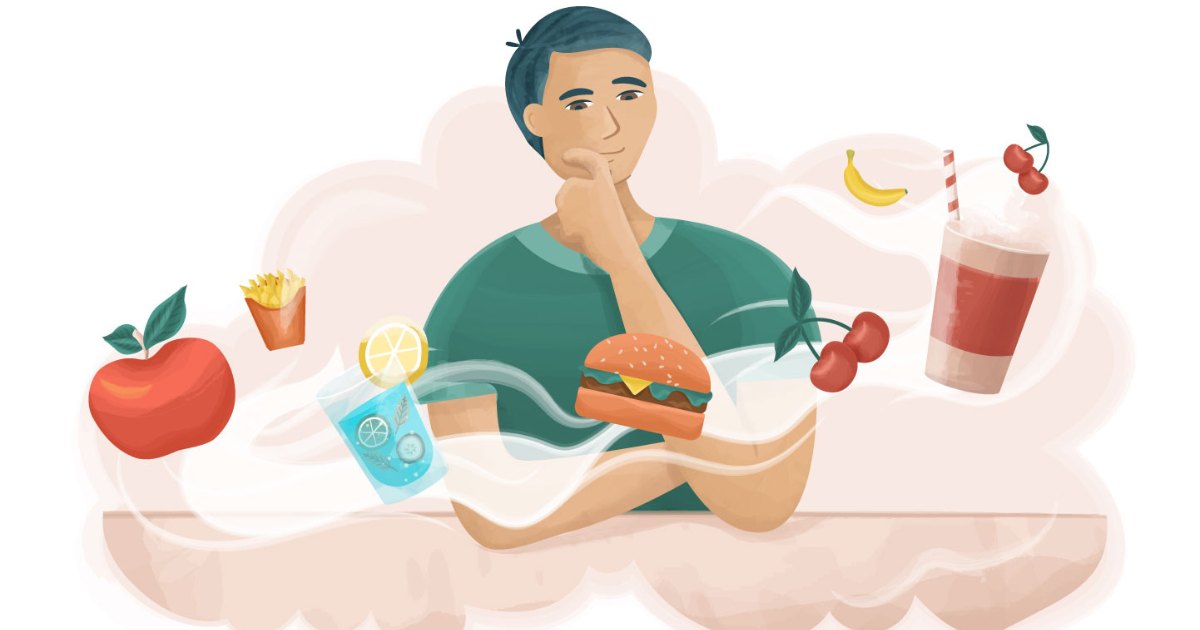
Over the years, I was not aware that food was controlling my life. It was not merely what I ate, but what it was about, which is the emotional grip that it had on me. The mornings, afternoons, and evenings were determined by my cravings. I found myself going for snacks when I am stressed or bored, or even happy, and it almost seemed that food was my default reaction to all emotions.
The control was not loud and conspicuous. It spoke in little voices: the additional cookie I could not resist, the missed exercise since I was too full, or the guilt I experienced with each indulgence. Slowly, it added up. My spirits sank, my concentration was disjointed, and my self-esteem was lowered. Something needed to change. I knew it, but I was stuck in a rut no one else could see, a quiet struggle that weighed on me every single day.
I recall a particular evening so clearly for me, I had just completed a working day, and I was not planning to get ready to make a good meal, so I took the fastest food that was available. After a few minutes, I was feeling gassy, tired, and angry with myself. It was at that point that I stopped and posed the question that began it all, Why am I letting food control me?
The identification of the problem is never in question. Unconsciously, one cannot make a change. I was forced to acknowledge to myself that my relationship with food was dysfunctional, that I had been living in a reactive mode rather than a mindful one. As soon as I had to confront that fact, I started noticing a pattern: triggers, emotional habits, and times when I did not feel energized by food but felt drained by it.
It was uncomfortable, and it was also freeing to understand the extent to which food dictated my life. It was the first time that I was able to begin to see opportunities rather than restrictions. Such a realization was the seed, the initial step in a process that would change my energy, my attitude, and my life.
The First Shift: Listening to My Body Through Mindful Eating Habits
The initial change was not hard, but deep: I began to notice my pre-eating state, my state during eating, and my state after eating. Breakfast, something I had always hurried up, was a wake-up call. I questioned myself: Am I really hungry, or am I eating because it is a habit? I realized that slowing down and truly savoring my food made me feel more satisfied, even with less.
I also started becoming aware of my trigger emotions. Work stress was not necessarily the one that induced snacking. Rather, I stopped, closed my eyes, and took some deep breaths, and I questioned my body about what it needed. At other times it was a meal, other times it was a glass of water, other times it was just five minutes to freshen up. Listening became my superpower, a way to take back control without strict rules or harsh discipline.
This change was not concerning perfection. I fell, I succumbed to temptations, and I even disregarded my signals. However, whenever I had to adjust the course, I got to know something about myself. Bit by bit, the disorder of uncontrolled eating became a discussion between my mind, my body, and my decisions.
It was not only that I started eating better by listening to my body, but I also started feeling more energized, focused, and confident. What appeared to be a minor change was the first actual move towards freedom. It was evidence that listening rather than punishing was the main step to regaining control over food.
Practical Changes That Worked
After I began to listen to my body, the second thing that I needed to do was to take action, but this time I needed to do small practical changes that would not overwhelm me, but would gain momentum over time. These were not hardcore diets and complex plans; they were just easy habits that did not interfere with my body and my life.
The first change was a reconstitution of my breakfast. I could’ve skipped it or grabbed something loaded with sugar, but instead, I reached for something balanced, with protein, healthy fats, and complex carbs working together to fuel me the right way. I almost instantly felt my energy last longer, and that mid-morning crash quietly disappeared. A small change, swapping sugary cereal for eggs and avocado, ended up having a far bigger impact than I ever expected.
Then I concentrated on meal preparation and planning. I did not have to get a fridge with all the fancy stuff; I simply stacked up on what is real and what can nourish me, and I could get out of the fridge in a few minutes. Cooking became a meditative ritual for me: the sound of chopping vegetables, the smell of salt and pepper, the awareness of exactly what I was putting into my body. It felt peaceful, grounding, and suddenly, eating healthy felt natural instead of forced.
I began to pay attention to how my body was signaling me when I was really hungry and when I was bored, tired, or stressed. Pairing this awareness with a morning workout became a game-changer for maintaining consistent energy all day.
Lastly, I did not feel guilty about making minor indulgences. It was not a failure when one ate a piece of chocolate or a slice of pizza; it was a part of life. I allowed myself not to be ashamed of eating, and it took out the emotional baggage that had been dominating me all my life.
These changes weren’t flashy on their own, but together they built a powerful system. One small step layered onto the next, forming habits that felt natural, sustainable, and honestly… freeing. For the first time, I didn’t feel like I was fighting food; I was finally working with it. And my body responded with something I hadn’t felt in a long time: energy, focus, and balance.
Mindset Matters: Discipline Over Motivation
When I started making real, practical changes, I finally understood why my old habits never worked. Actually, the change was made by my mentality, my attitude to food, decision, and regularity. Over the years, I had used motivation, that burst of flame which tends to die off by mid-week. Motivation is just temporary excitement; it comes and goes. But long-term change? That’s built and sustained by discipline.
Punishment is not discipline; discipline is a silent, consistent dedication of oneself. I started establishing minor, easy-to-manage rules, having a balanced breakfast, drinking water in the morning, and opting to eat real foods instead of processed foods. On days when I was not very motivated, discipline pulled me. I kept in mind that each minor decision was one small step in a larger puzzle, which would make me a healthier, more energetic person, and research shows that morning movement can boost energy, focus, and alertness.
I also reframed setbacks. Previously, a single naughty meal seemed to be a failure. At this point, I perceived it as data, something that I could learn regarding my triggers and how to modify my habits. Discipline taught me to be patient enough to be able to observe without judging, and with time, these little victories added up to permanent transformation.
The other major shift was my self-talk. I stopped saying things like “I can’t resist this” and replaced them with “I choose what fuels me.” Its distinction was subtle, yet strong. My actions started to shift with my words. Soon, I was making choices out of respect for my body, not out of guilt, pressure, or what anyone else expected.
This psychological status was the secret of my trip. The practical changes would have just died away without discipline. It enabled them to join my lifestyle, which was natural, sustainable, and empowering. After addressing the mental aspect of motivation rather than the temporary motivation, I finally felt that I was in control, confident, and free around food.

Nutrition Tips & Everyday Choices
At this point in my journey, I understood that knowing food and making wiser decisions was as significant as mindset and discipline. No, it was not about dieting or counting calories, but it was more about eating in a manner that would give my body energy, help in maintaining my energy, and be sustainable.
One of the earliest habits I established was paying attention to whole and real foods. The basis of every meal was vegetables, fruits, lean proteins, and healthy fats. If you want to simplify this process, our meal prep tips show how to plan and prep meals efficiently. I also got to know that there is no need for complex meals; even simple food such as roasted vegetables and grilled chicken or nuts and fruit in oatmeal could help a lot in how I would feel during the day.
My sensitivity to timing and portion size also increased. I learned to be mindful of my hunger, to eat purposefully rather than being mindless and snacking or overeating in times of stress. I was taught to take breaks, enjoy every bite, and question: Am I hungry, or am I responding emotionally?
The other game-changer was hydration. These were because being well rested by drinking sufficient water kept me going and eventually more in touch with my body. I began to carry a bottle of water around with me at all times. It was a very small, very basic thing, but it changed the world.
Finally, I was flexible with no guilt. It was fine to have a treat of a meal out. The most important thing was balance and perspective. The fear and shame surrounding food lessened, providing me with the ability to make more healthy decisions unconsciously and consistently.
These were small day to day nutritional decisions that were not dramatic but formed a strong base. Together with the practice of listening to my body and discipline, I was finally able to take charge of my relationship with food, and it didn’t just change how I ate. It changed my energy, my focus, and my confidence.
Staying Consistent Without Feeling Restricted
When I had already implemented the first five changes, I realized that the only problem was not knowing what to do, but remaining consistent without a feeling of limitation and guilt. Consistency is not in the form of flawless habits or strict regulations; it is in developing a routine that is comfortable, adjustable, and gratifying.
Setting realistic expectations proved to be one of my main strategies. I have ceased to be a perfectionist, and instead, I began to think in terms of progress. Missing a training session, an extravagant food, or a craving for sweets was not a failure but an opportunity to learn and change. This attitude eliminated the sense of pressure and ensured that consistency did not seem impossible.
I also developed part-a-day rituals. Healthy eating was easy, as I could plan my meals a day before, have water near me, or pre-pack my snacks. These little and constant measures eventually turned into a habit, which consumed fewer mental resources and, nevertheless, kept me in check.
The other key aspect was the embrace of flexibility. Life happens, social events, tough workdays, travel, and unexpected twists. I did not surrender or blame myself, but instead, I gave myself the freedom to change without compromising the principles. This balance avoided burnout and allowed it, in the long run, to remain constant.
Lastly, I concentrated on small victories. All my meals were eaten thoughtfully, all my desires were controlled, and every day I was disciplined became evidence that I could change. Such wins gave me more confidence and kept me steady instead of feeling constrained.
By doing this, I was able to learn that being in full control of food is not about all the rules and deprivation. It is about making habits, routines, and the mentality that healthy choices are natural, sustainable, and freeing. Regularity was no longer a burden, but a way of life, one that kept my energy level high and made me focused and generally well.
The Questions I Used to Ask Myself (And How I Found the Answers)
Q1: What if I crave junk food all the time?
A: The cravings are natural, and they do not imply failure. The trick is to accept them without reproach. Inquire yourself whether you are really hungry or not, or if it is emotional. Occasionally, all it takes to quench the desire is a glass of water, a brisk stroll, or a healthy snack. Not all is wrong with enjoying your favorite treat now and then; it is all about being in balance rather than prohibition.
Q2: How do I avoid feeling guilty after indulgent meals?
A: Shift your perspective. Each meal is an experience and not a punishment. A single gluttonous meal does not nullify your gains. Just take your attention to your next meal and keep in mind the little, regular decisions which constitute the bigger picture. Guilt merely wastes energy; awareness and self-compassion are what bring about permanent transformation.
Q3: How can I stick to healthy eating when life gets busy?
A: You have your secret weapon, preparation. Prepare meals in advance, prepare snacks, and be ready with healthy food. Decision fatigue can be eliminated in just a few minutes of planning every day, and you are able to make decisions that boost your energy and focus. Flexibility is important; life is unpredictable, but habits provide you with predictability.
Q4: How long before I feel real changes?
A: The path of every person is different, yet slight modifications add up very fast. You will find yourself feeling better, more energetic, and less crappy in a couple of weeks. The magic actually occurs in months, when the habits become established, and your attitude towards food is no longer reactive, but mindful.
Q5: Can I still enjoy my favorite foods?
A: Absolutely! It is not to deprive but to be in control and balanced. Eat without guilt and have fun with your food, and resume your conscious life. This is a way of maintaining a sustainable and happy, rather than a stressful, diet.
Conclusion: The Moment I Finally Took Back Control
Looking back, I realize that the journey wasn’t about restriction, perfection, or following someone else’s rules. It was about listening, learning, and taking control, step by step, change by change. Each of the 6 shifts I made, from recognizing the problem to staying consistent without guilt, became more than habits. They became a new way of life, a partnership with my body instead of a battle against it.
The transformation wasn’t instant, and it wasn’t always easy. There were moments of doubt, cravings that tested my patience, and days when old habits crept back. But with awareness, discipline, and a commitment to small, meaningful choices, I discovered something far greater than just better eating. I found freedom, freedom from guilt, from emotional eating, from the invisible chains that had controlled me for years.
Now, meals are moments of nourishment, and energy is sustained throughout the day; my choices feel empowering, not restrictive. What started as a simple desire to eat better became a journey of self-respect, mindfulness, and transformation. And the best part? This journey is ongoing. Each day offers a new opportunity to honor my body, make conscious choices, and continue growing stronger, healthier, and more confident.
For anyone struggling with food, I want you to know this: change isn’t about perfection; it’s about awareness, action, and compassion for yourself. Each small step adds up, and every mindful choice brings you closer to freedom and control over your life.
“Freedom with food starts when you listen to your body, not your cravings.”