Fear in survival horror is rarely loud.
It doesn’t announce itself with explosions or constant noise. It doesn’t need to. The most unsettling moments arrive quietly, when the music fades, when footsteps stop echoing, when the world seems to hold its breath alongside you.
Silence, in survival horror, is never empty.
It is watching.
It is the pause before a door creaks open.
The stillness of a hallway that feels too long.
The hum of a dying light reminds you that something is wrong, even when nothing is moving.
Unlike action-heavy horror, survival horror understands restraint. It knows that vulnerability is more frightening than power, and that isolation cuts deeper than chaos. When ammunition is scarce and escape feels uncertain, sound becomes a risk. Every step matters. Every breath feels loud. And every moment without noise forces you to sit with your thoughts.
These games don’t rush you. They don’t bombard you.
They wait.
They let silence do the work, slowly tightening its grip, making you second-guess every decision, every shadow, every moment of calm. And when something finally happens, it feels earned… because you were already afraid long before it arrived.
This list isn’t about the loudest screams or the fastest heart rates.
It’s about survival horror games that understand a deeper truth:
Sometimes, the most terrifying sound is nothing at all.
Silent Hill 2
The silence in Silent Hill 2 is not peaceful.
It is heavy. It is pushing its way against you, in places where music ought to be, where comfort is normally found.
The town is not in a hurry to frighten you. It allows fog to swallow the streets, lets footsteps echo too clearly, and makes your own thoughts louder than any monster. Often, you aren’t guided by a soundtrack at all, only by wind, distant static, and the unsettling feeling that the world knows you’re there.
It is not the monsters or their notorious scenes that make Silent Hill 2 a standout in survival horror. It is the way the game uses silence to its advantage. When something is close, the radio crackles, and the sound becomes a warning rather than a reassurance. You start to be afraid of noise itself, as noise means that you are not alone anymore.
Fighting is awkward and unpleasant on purpose. You are not supposed to feel mighty here. There are long stretches where nothing happens, yet you remain on edge, peering around corners and doorways as if waiting for something that will never come. Silence itself becomes psychological pressure.
And there, the silence is deeply emotional.
Space Silent Hill 2 gives room to grief, guilt, and denial to breathe. It trusts the player to sit with pain, rather than distract them from it. The lack of continuous sound is a reflection of the emptiness within its characters, which makes the horror look more personal than playful.
It is survival horror in its very purest:
not regarding reflexes, but stamina.
not listening to screaming, but listening.
Silent Hill 2 is not a moment of silence between frightening moments.
It is the scare.
Haunted Hint: In survival horror, silence is more than emptiness; it’s a cue. Pay attention to what isn’t there as much as what is. Walk slowly, listen carefully, and let tension build naturally. The quiet will teach you more than constant noise ever could.

Resident Evil 7: Biohazard
In Resident Evil 7, silence itself feels suffocating. For a deeper look at how the game builds tension and fear, check out our Resident Evil 7 Review 2025.
It is not that the house is empty, but rather that the walls are alive. The anticipation of each creak of wood, each whisper of a distant vent. You never have a clue whether it is about to pounce on you, or it is only the house inhaling.
Vulnerability is increased by a first-person approach. Here, heroism is irrelevant; you are a visitor in a home built to disturb. Dark alleys, dimly-lit areas, and flickering lights keep you on the edge of your seat, and the faint background sounds, be it a swinging door or footsteps in the distance or the slight buzz of the electricity, are signs you can not disregard. There is a lack of ammunition, and shooting is not very comfortable as it is designed so you have to think before you fight, hide, or run away.
Pacing is deliberate. Prolonged periods of silence allow tension to build up, making any abrupt sound or action feel tense. Even the house itself is alive: doors open without being opened, floors tremble under some unknown burden, and the atmosphere is so full of anticipation. It trains you to read the environment, to catch subtle hints—a flickering shadow, a faintly wrong detail, that signal imminent danger.
Here, silence isn’t a lull. It’s a pulse. It is a lesson in patience, it develops your senses, and makes every meeting more memorable. Resident Evil 7 teaches us that not everything in survival horror is about being in a state of unremitting panic, but rather allowing the matter to build up progressively until it engulfs the gamer.
Haunted Hint: When exploring a survival horror environment, let silence guide your senses. Small details often reveal more than loud alarms or obvious threats. Listen, observe, and let the quiet sharpen your instincts.

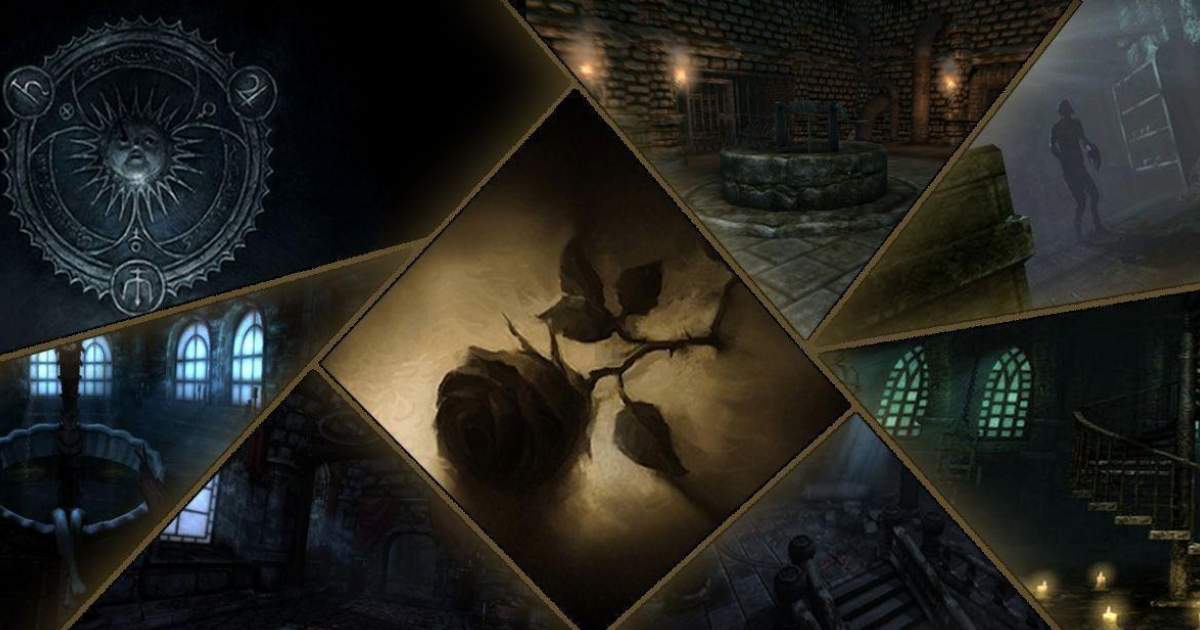
Amnesia: The Dark Descent
In Amnesia: The Dark Descent, silence is not a lack of sound, but rather a constant companion that helps to feel its way against your senses and makes each step a conscious choice. You move up and down dark, decaying corridors where candlelight casts more in shadow than in object. No enemies are lurking around every corner; the game just allows the darkness to become the danger, and the empty spaces are transformed into unnerving perception puzzles.
Your very heartbeat will be involved. The darker it gets, the more your sanity frays, and even subtle sounds, creaking doors, distant dripping water, rustling animals, begin to feel like something more. You soon get to know that concealment is of equal importance as speed, and light may be a guide and a deception. Each of the environments is thoroughly planned so that you wonder what is real and imagined.
Amnesia strips you of any chance to fight, leaving you utterly helpless and exposed. Fear is not a thing you struggle with anymore because it is a thing you live with. It is not an atmosphere of abrupt fright but rather the quiet, overheating discomfort which mounts as you wander, compelling you to seek by observation, patience, and a kind of walk-tolerated fear to have your own way.
Here, silence is never empty. It is the source of fear, an instructor of helplessness, and the beating of horror.
Haunted Hint: In survival horror, your mind can be as dangerous as any enemy. Pay attention to how silence affects you, and use it to read your surroundings carefully. Fear isn’t just what’s out there; it’s also what’s inside you.
Dead Space (Remake)
The silence in Dead Space (the remake) is more like the pressure, the power that cannot be seen, but that makes your senses sharper and makes each little sound seem to be intense. Never before had the USG Ishimura felt so tyrannical: overgrown metal corridors, flickering lights, and shifting shadows create a world where silence itself is terrifying. For more sci‑fi horror games that blend fear with focus and atmosphere, check out our Fear Meets Focus: Sci‑Fi Horror Games 2025 guide. The environment does not talk to you; it observes you, and every move forward leads you to the risk of being badly hurt.
The remake inclines towards the theme of a sequence of audio signals. Far groans and scuttling necromorph bodies, Hissing vents, all seem all too close with their spatialized sounds. The stress of Isaac is slightly noticeable in your own breathing and heartbeat, and makes silent exploration a bodily, tense experience. All the shadows, all the light and dark, are questions: Is this reality, or is there something just beyond reach?
Fighting is not an anarchic affair. There is limited ammunition and tools, and enemies are unpredictable since the game alters experiences and environmental indicators. The silence turns into a treasure, something to be appreciated and read closely, as in the darkness, even the tiniest noise may be the warning of life or death.
In this case, isolation is not simply a mechanic, but a mood. The remake is not based on loud, set pieces; it asks you to experience that you are really alone in an enormous, rotting ship. Silence will lead you in the right direction, teach you how to be patient, and enjoy every experience that you get.
Haunted Hint: Let silence be your compass. In intense survival horror spaces, sometimes the quietest moments tell the most. You just have to listen closely to know when danger lurks nearby.

Alien: Isolation
In Alien: Isolation, silence is terror itself. The Nostromo-inspired station is vast and empty, yet every echo reminds you that you are being hunted. The echo of the footsteps varies with the place of your stance, and even the distant murmur of the machines makes you remember constantly that the station is not a dead being, and you are not inside the control room.
The Xenomorph is not bound to certain patterns. It watches. It stalks. It reacts. And since fighting is highly discouraged, you will live and survive by listening, watching, and making judgments in almost total silence. Cowering, lurking, or merely sitting straight is a life-and-death dance. A falling object or just a slip could be noticed enough, and calm will turn into a life-threatening emergency.
Alien: Isolation is not a movie based on jump scares; it is a movie based on suspense. The silence makes you pay attention, to pick out even the smallest details, the thriller of a shadow, the moaning of the ventilation of the ship that can be heard miles away, or the hiss which you may not hear, but which you know is the alien. Here, fear is accumulative: starting slowly, beginning to creep in on the player, it teaches that sometimes the most terrifying experience is the one that you expected to be quiet.
The sound design of the game is very meticulous. All the creaking, clattering, and subtle drumming of the station are intentional, as they focus your attention and put up the tension. The isolation is both physical and psychological: you are literally alone, and each silent step counts.
Haunted Hint: In survival horror, the absence of sound can be more threatening than anything you hear. Pay attention to small noises, use silence to strategize, and trust your instincts when the tension grows thick.

The Evil Within
In The Evil Within, silence turns all of the corridors into a maze of discomfort. The decay in the world is alive: peeling wallpaper, flickering lights, and other unplaceable, far noises make you doubt every single step. You are never truly safe, and the silent moments can be as terrifying as sudden chaos; they force you to anticipate, to question, and to feel exposed.
Every encounter is intentional, every threat carefully planned. There is a lack of ammunition and the predictability of enemies. Hurrying is not often effective, but rather you need to watch, conceal, and think things through. Silence before a confrontation carries its own weight. Every creak, drip, or shuffle could be a voice, or a threat, and you quickly learn that sound is just as perilous as any monster.
Silence is also used in Evil Within to play with emotion. There is no music at important moments, underlining the uncertainty of the surroundings, and the distorted sounds used music-whispers, footsteps far away, or environmental sounds out of the blue make your nerves tight. The game also teaches to be patient and conscious, and survival becomes a reward, rather than an imposition.
In this case, silence is not nothingness. It’s suspenseful. It’s a teacher. It is an instrument that defines each decision, each action, each beat of the heart.
Haunted Hint: Use quiet moments to your advantage. In survival horror, the spaces between threats can teach more than the threats themselves. Listen closely, plan carefully, and let the silence guide your survival.

Until Dawn
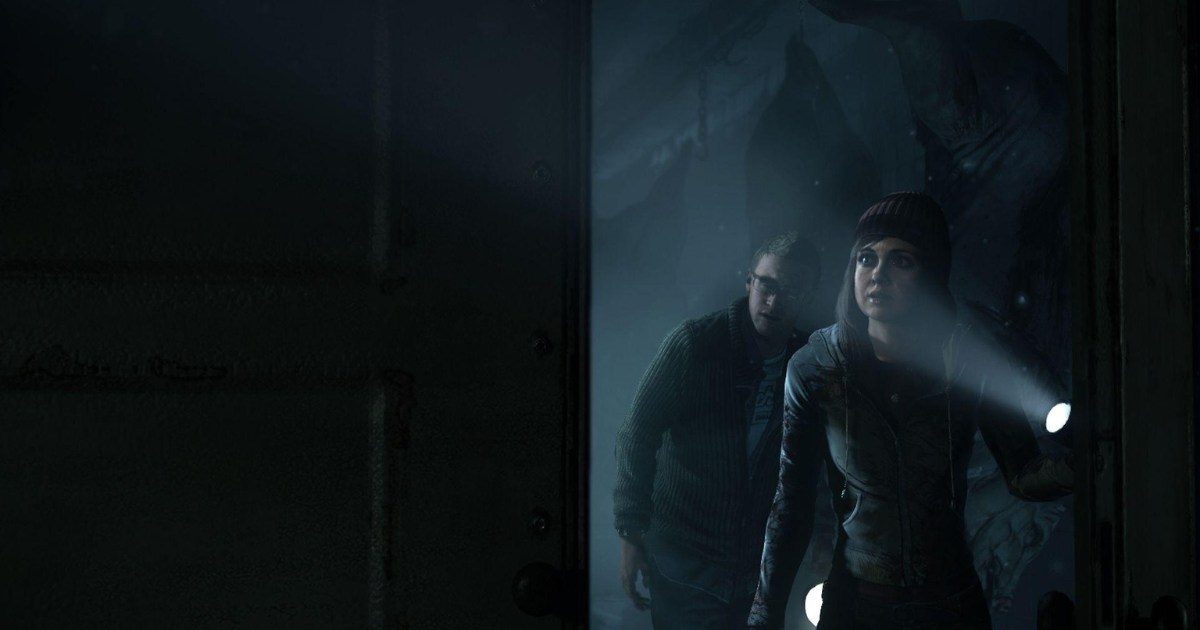
Silence is hypocritical in Until Dawn. The mountain lodge is quiet and nearly safe, but then there is no sound, and this silence becomes a form of dread by itself. Every step can be so dangerous that a creak of a floorboard, the crackling of the trees outside, or even the howling of the wind several miles away can make it seem dangerous. You are never really in control. It is a game of observing, thinking, and living with your decisions; even the quiet moments are filled with discomfort.
The silence and anticipation that is intertwined in Until Dawn make it unique in terms of a survival horror game. You are not always under the stress of danger, but there is danger in every silent moment. The tension is evoked by just turning down dark corridors, snowy exteriors, and lonely rooms. The butterfly effect ensures that every decision, every hesitation, and every moment of indecision carries consequences the player cannot ignore.
It is not only monsters and jump scares that make it horrifying; it is waiting. It is waiting as the wind whistles, the shadows move, and the footsteps of your companions can be heard. This defines a stratified fear that is very personalized and in which the tense moments are equally effective as the jump scares.
In this story, silence acts as a narrator. It creates your view of the world, pushes your fantasy, and makes all the decisions significant.
Haunted Hint: Embrace anticipation. In survival horror, the moments without immediate danger can heighten tension more than any jump scare. Listen, observe, and let the quiet guide your decisions.
Soma
In Soma, silence carries weight. The submersible laboratory seems lonely but alive in some insidious, disturbing ways. Long, bare corridors, the far-off, mechanical buzz, the drip of water, which is so strange and mysterious that you are hyper-conscious of your helplessness. Silence does not soothe you; it harasses your senses, forcing your attention to every minute detail and contemplating the dangers that might be lurking beyond what the eye can see.
Battles are hard and disquieting. You are quite helpless and can do nothing to combat the terrors that are chasing you. It is necessary to survive by observation, stealing, and making wise decisions. The game uses silence to create a feeling of the instability of your position, and the silence becomes a constant source of tension.
Soma silences are also employed to develop its story. Isolation, existential dread, and the weight of emotion of the story are stressed in the quiet moments. In the absence of continuous auditory effects, you are made to perceive each minute noise and darkness, making them even more terrifying and increasing the immersion.
In this case, silence is an instructor and a friend. It makes you remember that survival horror is not only about monsters, it is also about existing in a world that is alive, conscious, and unfriendly.
Haunted Hint: When exploring survival horror worlds, embrace quiet. Observation and patience often reveal more than confrontation, and silence can heighten both tension and awareness.

The Last of Us
Silence as a defense and as an attack is a weapon in The Last of Us. The world is destroyed, jungled, and death-stricken. The streets are deserted, the crumbled houses are left behind, and a ghostly feeling is formed by the thin rustling of nature regaining its sanity. You have to concentrate on every slightest movement and perceive the danger in every shadow because there is no constant noise anymore.
Combat is slow, deliberate, and tense. There is not much ammunition, the enemy is lethal, and the best way to go is in the shadows. Every move risks giving you away, and in the silence, fear builds, preparing you for encounters that could turn catastrophic. The feeling of vulnerability is increased with silence, and every decision will be urgent and meaningful.
In addition to the gameplay, the silence enhances the emotional effect. The experience of Joel and Ellie is both personal and risky as silent moments enable one to look back: to the world and their relationship, and to the survival stakes. The empathy is mixed with fear, which makes the horror both external and, at the same time, deeply personal.
In this case, there is no such thing as a neutral silence. It leads you, it cautions you, and reminds you that in survival horror, nothing is off limits and that being weak is a component of the game.
Haunted Hint: Use quiet to stay alert. In survival horror, the still moments often teach more than any confrontation. Observe, move deliberately, and let silence sharpen your instincts.

Outlast
In Outlast, you cannot stand to remain quiet since you are utterly defenseless. The deserted asylum is still comfortable, still in a manner that makes you feel that you are exposed. Endless corridors, flickering lights, the darkness creeps further and further, and even your own breath begins to sound too loud.
There are no weapons here. No fighting back. The only way to survive is to be aware, timely, and restrained. You listen for footsteps. You hide in lockers. You hold still and hope. Silence is a lottery; keep silent, and you may live; speak, and you beckon something that you cannot get rid of.
Outlast turns anticipation itself into a weapon. The silence before the danger is sometimes more horrible than the pursuit itself. You hear cries of terror, glimpses of restrained movement, and the rest is left to your imagination. All the quiet intervals stretch your nerves, making you aware of your helplessness.
Here, silence is not safe.
It’s exposure.
It’s waiting.
It’s realizing that when noise finally comes, it may already be too late.
Haunted Hint: In survival horror, powerlessness sharpens fear. Use silence wisely, observe patterns, wait for the right moment, and remember that survival sometimes means doing nothing at all.

FitPlay Q/A: Surviving Silence in Horror
Q1: Why is silence so important in survival horror games?
A: Silence isn’t emptiness, it’s tension. It sharpens your senses, forces you to notice subtle cues, and builds psychological pressure. In games like Silent Hill 2 or Outlast, what you don’t hear is often scarier than what you do. Silence teaches patience, observation, and strategy, the core of survival.
Q2: How can I use silence to my advantage as a player?
A: Treat quiet moments as opportunities. Listen carefully to environmental cues, observe enemy patterns, and plan your movements. Silence is a tool; it signals danger, reveals secrets, and gives you space to think before acting. For more tips on surviving tense horror environments, see this guide to survival horror subgenres.
Q3: Does fear in silence feel different than fear from action or combat?
A: Absolutely. Combat or jump scares trigger adrenaline, but silence fosters sustained unease. It’s a slow-burning fear that lingers after you put down the controller. Games like Soma or Resident Evil 7 use quiet to make you feel vulnerable, aware, and fully immersed in the world.
Q4: Are survival horror games more effective with first-person or third-person perspectives?
A: Both have their merits. First-person amplifies vulnerability and immersion, as in Dead Space Remake. Third-person can offer strategic awareness and cinematic tension, like in Until Dawn. Ultimately, silence works in either perspective; it’s about creating space for suspense and reflection.
Q5: How do I get the most out of a survival horror experience?
A: Embrace patience. Slow down. Pay attention to details. Let the silence guide you. Avoid rushing through environments just to reach the next scare. Survival horror isn’t about being fearless; it’s about learning to navigate tension, vulnerability, and uncertainty.
Echoes in the Silence
Fear in survival horror isn’t a roar.
It is a whisper. A pause. A shadow just beyond reach.
It lives in the quiet, in the moments when the world holds its breath and leaves you alone with your thoughts.
Through these ten games, we’ve seen that silence is not emptiness; it is presence. It teaches patience, sharpens perception, and transforms vulnerability into understanding. The truly terrifying moments are often not the monsters we see, but the anticipation that lingers in the spaces between. Each quiet hallway, each flickering light, each distant creak carries meaning, shaping the experience long after the screen fades to black.
Survival horror reminds us that fear is not always loud. Sometimes, it is subtle. It is built in tension, in hesitation, in the quiet knowledge that you are exposed. And yet, it is in this very quiet that mastery, awareness, and resilience are forged. The games that understand this don’t just frighten, they linger. They teach us that in the silence, there is a story, a lesson, and a pulse that connects the player and the world.
To play these games is to embrace stillness, to listen, and to understand that true fear and true survival come not from noise, but from the quiet moments in between.
“In the quiet, we hear the truth of fear, and the strength to survive it.”