Leon Kennedy in Resident Evil Requiem is where fear slows down, memory lingers, and survival horror finds its pulse again.
There are names in gaming that don’t just belong to characters; they belong to moments.
Moments of fear, of silence, of footsteps echoing through empty hallways. Moments when the game feels larger than life, yet intensely personal. Moments when you paused, not because you were tired, but because your heart needed a second to catch up.
Leon S. Kennedy is one such name.
For many of us, Leon wasn’t just a protagonist we controlled. He felt a sense of being underprepared, the weight of responsibility arriving too early, and the reminder that survival horror isn’t about power, it’s about endurance. About moving forward, even when you don’t fully understand what you’re facing.
Over time, his presence became more than gameplay. It became emotion. The tension of not knowing what lurked behind the door next door. The sense that every choice mattered. The quiet dread that made every hallway, every shadow, and every creaking floorboard resonate. For players, Leon represented the human heart inside horror, reminding us that vulnerability could be as powerful as courage.
Now, with Resident Evil Requiem, that feeling returns.
Not as a gimmick. Not as a fleeting nod to nostalgia. But as a thread weaving together the identity of a franchise, one that balances fear, action, and human emotion in ways few games can.
Leon’s return matters because it’s inevitable. The series has grown, evolved, and experimented with tone, but some elements never truly fade, and some faces, like Leon’s, belong to the world of Resident Evil just as naturally as the shadows that haunt it.
This is not just about a character coming back.
It’s about legacy, about emotion, and about the quiet understanding that some presences shape a story even before the first line of dialogue is spoken.
And when you look closely at the franchise, at its identity, at what survival horror really means, Leon’s return doesn’t just make sense.
It feels essential.
Leon’s presence in Resident Evil Requiem has now been officially confirmed ahead of release, highlighting his role alongside Grace in the upcoming chapter of the series.
Leon Kennedy in Resident Evil Requiem: A Return That Feels Right
Prior to Resident Evil growing louder and faster and more cinematic, it survived on one basic fact: fear resided in the intimate moments. A flash of light. A distant moan. Silence heavy enough to sit on your shoulders. Each creak, each shadow mattered. In that world, Leon Kennedy became the human tether for players finding their way through the darkness.
Leon was not the brave character who could resolve all the issues from the very beginning. He was a man, and seemed to be untried but resolute. That was a weakness that resonated. It was a reflection of personal hesitations of the player, of the fact that he was not ready to deal with what lay behind the door next door. Leon became the emotional guide, showing us what survival horror really is: the push and pull between feeling powerless and finding the strength to keep going.
The franchise tried out the tone and gameplay over the years. Some were more action-oriented, and those that were pure terror. Yet Leon remained constant. His personality ensured that there was a balance between his fear and ability, and he was a reminder to the players that it was not strength that kept them alive; it was their presence, awareness, and ability to adapt. Leon was the central element of the series who kept the emotional core intact despite the changes in the world surrounding him.
In Resident Evil Requiem, the emotional base comes back to the fore. The game itself, titled in a way that reminisces and brings about some form of reckoning, is, of course, in line with the identity of Leon. He is not coming back as a spectacle; he is coming back as a reference to the legacy of the franchise. His appearance lets both the old and the new players remember what made Resident Evil so captivating; it was not the monsters, the blood, or the chaos, but rather the human story behind that chaos.
Also, the reappearance of Leon enables the game to deliver tension without using tricks and shocks. His relaxed and alert attitude speaks of stakes instinctively. It is intuitive to players that each hall is important, each decision is important, because Leon feels like he has been through everything, even without the presence of spoilers and the telling of a story.
Finally, the association that Leon does have to the emotional background of the series is not nostalgia. Its authenticity. He symbolizes the backbone of survival horror, that the fear is only worth feeling when it is accompanied by a character capable of being human and relatable, and being someone who lasts.
And that is why, since the very first step into the world of Requiem, it seems like his comeback is predetermined, not coerced, not a fanservice, but innate, natural, and very right.

Leon Bridges Generations of Resident Evil Players
There are not so many other characters in games that address several generations of players at the same time, and Leon Kennedy addresses them without any difficulties.
To the old viewers, Leon is a living recollection of the early years of the series. He reminds us of empty corridors, dark chambers, and the sense of helplessness you get as you initially realize what survival horror is. Each moment, each stressful moment, each choice was a heavy one, and Leon was the prism that made those feelings feel. It was not just that he was surviving, but he was making players know how to survive, and he instructed us in a world where terror was not only a constant, but also a personal matter.
To more recent players, Leon is a standard, not just of character design but of narrative foundation. Players learn about him without knowing the whole story: he is competent and aware, but he is a human being. He responds to threats in a realistic fashion, walks with intent, and leaves the uncertainty of the unknown. That is why he is friendly to the new members and retains significance to the old ones.
This mediating function is essential in Resident Evil Requiem. The game is set in a world where old fans desire to stay connected to the past, and new players require a path of entry that is available to them. Some characters who are too full of nostalgia may push off newcomers, whereas a totally new character may find it hard to identify with the emotional undertones of the franchise. Leon solves this elegantly.
He’s not a relic. He is a living fiber, a common emotional point. He gives the franchise the chance to celebrate its history but grow organically. Players enjoy a sense of tension and thrill with the help of a familiar light, but it does not seem to be repetitive or outdated. Every moment of interaction rings not due to the fan service, but due to the emotional follow-through he delivers.
Essentially, Leon Kennedy represents the generational gap. He reminds the players that, regardless of the time of joining the franchise, the feelings of suspense, tension, and human courage do not change. His coming back is not a wink at the past; rather, it is a comfort in the present, an assurance that Resident Evil knows what it is and who its players are.
Want to see how survival horror evolved? Our full Resident Evil 7 review dives into the suspense, scares, and immersive moments that shaped the series.
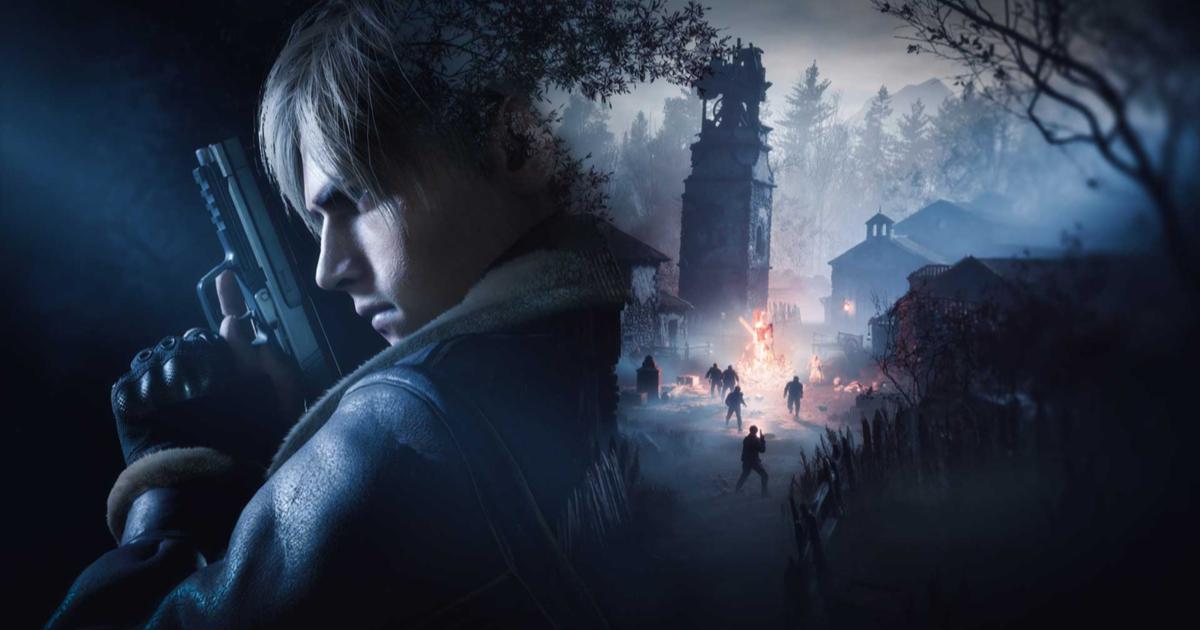
His Experience Fits Requiem’s Tone Naturally
The fact that Leon Kennedy is such a character is not necessarily one of the hidden strengths of that character, but the fact that his experience influences the world in which he lives. He has the baggage of earlier experiences, intuition that has been developed in hardships, and a kind of confidence that does not take away the tension.
The atmosphere, suspense, and emotional tension are the strengths of Resident Evil Requiem. The game is created in such a way that all the corridors, all the doors, and all the shadows count. An overly inexperienced or too invincible character, in a world like this, would not fit in. But Leon, then, fits perfectly well. He’s neither reckless nor untouchable. He responds with focus and attention, making the game even more stakes. Players instinctively notice that something is wrong, but they feel capable of doing it, since Leon has done it before.
The secret of this balance is subtlety. It is not a long exposition before you are made aware of his ability; this is transmitted through his movement, the way he makes decisions, and in the silent scenes where indecision borders on preparation. These aspects enable the game to keep its feet and not dwell on the cheap shocks and excessive action sequences.
In narrative terms, the identity of Requiem is reinforced by Leon’s coming back. The game is not about scares or spectacle, it is about human strength when facing fear. Leon is a manifestation of this strength. He tells the players that when it comes to survival horror, it is not about how fast you react or how good your reaction is, but it is about experience, judgment, and having the bravery to face uncertainty.
All other characters are also informed by his presence, albeit slightly. Having an experienced character lets the game balance vulnerability with confidence, rookie mistakes with skill, and suspense with action, without spoiling a single twist.
In the end, Leon Kennedy is not only inhabiting the world of Requiem, but he is enriching it. He is the silent gauge of readiness that raises the stress, a living reminder that fear is most effective when shared with someone who has gone through it and survived.

Leon Balances Horror and Action Perfectly
The ability to walk on two poles of horror and action is one of the reasons why Leon Kennedy has managed to survive as a franchise icon. He is not a mere survivor; he is not an unbeatable warrior; he is in a grey area between tension and competence.
Resident Evil Requiem is constructed on opposition. The game is filled with quiet fear in intermittent outbursts, as the players in the game experience their pulse racing, only to exhale and continue. It may be frustrating to introduce a character who is too passive, and the too-aggressive character may decrease the suspense. Leon is a natural walker on that line.
The fact that he is returning means that there is a dynamic balance between the players. The frailty that keeps the heart thumping is in combination with the ability that makes each experience fulfilling. Leon acts, responds, and changes according to how he can make the gameplay experience better. Players experience tension but become reassured that, though there is danger, it can be overcome.
This is not simply a mechanical balance, but it is a very emotional balance. Leon is the definition of the fact that fear and capability do not exclude each other. The horror is best performed when the player believes that he/ she is making significant decisions, decisions that are important since the character is competent, sensitive, and a human being. Leon sends across the message that naturally, without a lot of exposition and straining melodrama.
Moreover, he puts a dynamism into the rest of the game. He is indirectly compared to other characters, settings, and situations. This makes action and horror complement each other and not play against one another. The suspense is increasing among players as compared to the skill of Leon, which also makes each silent corridor, each unexpected shadow, each choice more effective.
The combination of horror and action allows Leon not to come back as a household name, but he becomes the main emotional and mechanical core of Requiem. He makes sure that the game is both tense and not frustrating, exciting without losing the center of attention, and involving without sacrificing its origins as a survival horror game.
And that is what makes Leon Kennedy the best personality to bring the balance needed by Requiem and why his return is not only welcome, but necessary to the brand itself.
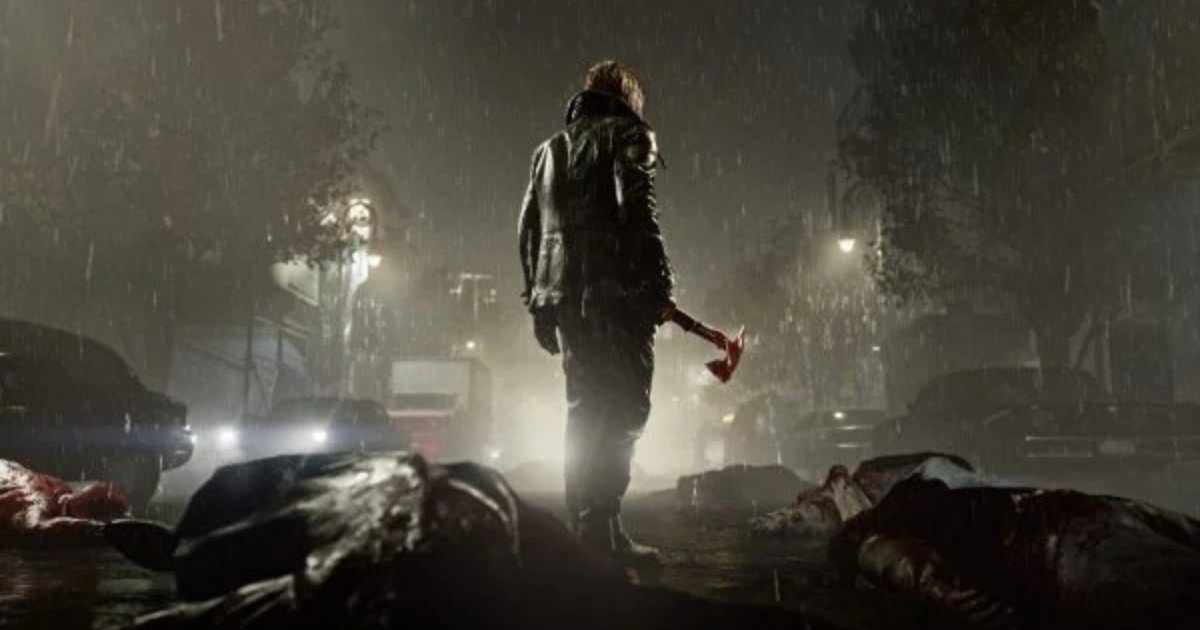
His Return Feels Earned, Not Fan Service
Character returns in a contemporary game can be obtrusive, a bow to the audience without a story. However, the re-emergence of Leon Kennedy in Resident Evil Requiem is different. It is not dependent just on nostalgia, nor is it created with the sole purpose of thrilling old-time players. It is an earned one, and it is based deeply on the identity of the franchise and emotional reasoning.
The homecoming of Leon can be felt due to the naturalness of its effect. His character has been the same, yet the franchise has expanded and experimented with tone and has tried new avenues of gameplay. He carries not only ability, but a history, a sense of advancement, and manhood which is in keeping with the tone of Requiem. The gamer feels that he has a reason to exist: to portray durability, to create tension, and to enforce the emotional stakes in the game.
This quality also enables the old and the new players to interact in a meaningful manner. Older audiences are used to the continuity, and they appreciate the fact that the franchise celebrates itself. New players also encounter a character that is competent, likable, and inherently connected to the world of the game, without prior knowledge of the events of the past.
Additionally, the return of Leon is quantified. Instead, he adds to the atmosphere but does not overwhelm it, adds to the gameplay but does not make it easy, and adds to the story but does not take it over. The delicate blending is an indication of reverence toward the tale, the gamers, and the emotional heart of the franchise.
After all, he is a link between the past and the future. It demonstrates that Requiem is not merely looking around or playing to nostalgia. It is not ignoring the foundation of the franchise, but is boldly going on with it. Leon is not a cameo, a marketing device; he is one of the children, and he belongs as he did.
That is why his comeback is not only logical but it is also natural, significant, and very gratifying.
It’s not fan service. It is a logical development of a character whose identity has constantly been at the core of Resident Evil.

Grace and Leon: Two Perspectives, One Survival Experience
Perhaps the most captivating thing about Resident Evil Requiem is the fact that it allows one to see the same world in two quite different perspectives. Neither Grace Ashcroft nor Leon Kennedy is merely a protagonist; both are individuals called on to express opposites in how to survive.
Grace is reserved, alert, and very conscious of her defenseless nature. Each movement she makes is full of significance, and the players feel the tension of fear enforced by her eyes. Leon, in his turn, represents wisdom and cool accuracy. His reactions are assured, his choices are thought out, but the threat that surrounds him never lets go of its advantage.
The combination forms a two-story beat, with Grace being more vulnerable, increasing the suspense, and Leon having the ability to offer a feeling of grounded confidence. These two views create the balance in the game between horror and action, between dread and empowerment. Players are never in one state or another, as tension and strategy are always a factor, and the vulnerability of the human experience is contrasted with the strength of those who have encountered the fear before.
This is the reason why Requiem is immersive and alive. It is not merely a tale of survival but a common one at that. Leon and Grace cannot possibly compete for attention, and they balance each other and make a scene that leaves a mark on both the series veterans and the newcomers.

Q/A: Understanding Leon’s Return in Requiem
Q1: Why does Leon Kennedy’s return feel so natural?
A: Leon isn’t just a fan favorite; he embodies the franchise’s core tension between fear and capability. His presence reflects continuity, emotional resonance, and skillful adaptation to new scenarios. In Requiem, he fits the atmosphere without overshadowing it, making his return feel earned and inevitable rather than a simple nod to nostalgia. Players immediately sense that he belongs.
Q2: Does Leon’s experience make the game easier for players?
A: Not at all. Leon’s skill is subtle, enhancing the game’s tension rather than removing it. His awareness and preparedness make encounters more believable, not easier. Players still face real suspense and meaningful choices, but Leon’s presence guides the experience organically, balancing horror and action without compromising challenge or immersion.
Q3: Is Leon relevant to new players who haven’t played older Resident Evil games?
A: Absolutely. While longtime fans appreciate his history, newcomers can connect with Leon immediately. His personality, competence, and reactions are intuitive, offering a relatable figure in Requiem’s tense world. You don’t need prior knowledge to feel the weight he brings to the atmosphere and story; he communicates presence through action and emotion.
If you’re new to horror and want more pulse-racing adventures, check out our 10 Good Horror Games for Beginners to start your journey.
Q4: How does Leon enhance the emotional tone of Requiem?
A: Leon bridges fear and courage in a way few characters can. His measured reactions, calm awareness, and subtle history deepen the player’s emotional engagement. Every decision, every corridor, every shadow feels heavier when guided by a character whose very existence reinforces the stakes and intensity of survival horror.
Q5: Will Leon’s return appeal to both casual and hardcore fans?
A: Yes. Casual players experience a competent, grounded protagonist who navigates danger naturally. Hardcore fans appreciate the continuity, emotional depth, and subtle nods to franchise identity. His return satisfies both audiences without alienating either, maintaining Requiem’s balance and honoring the series’ legacy.
Conclusion: Legacy, Courage, and the Heart of Requiem
In Resident Evil Requiem, the corridors of fear and shadows of the past are not just obstacles; they are reflections of the human experience itself. The game reminds us that survival isn’t defined solely by skill or courage, but by how characters respond to the weight of uncertainty, the quiet moments of dread, and the choices that define them.
Leon S. Kennedy returns not just as a hero, but as a living bridge between generations, carrying with him the legacy of countless players who felt their first pulse-racing moment of fear through his eyes. He balances the tension of horror and the precision of action, grounding Requiem in the identity that made the franchise unforgettable.
Grace Ashcroft adds a new layer to this world. Her vulnerability, careful observation, and human fragility allow players to feel the fear anew, experiencing suspense and danger in its most intimate form. Through her eyes, Requiem captures the essence of survival horror, a fragile, pulse-quickening journey where every step matters.
Together, Leon and Grace are joined by other vital characters who enrich the world, each adding perspective, tension, and emotional depth. From allies who guide those whose presence challenges perception, every character strengthens the narrative tapestry, ensuring the world of Requiem feels alive, intricate, and meaningful.
This interplay of courage, vulnerability, and connection is what makes Resident Evil Requiem more than just another entry in a beloved franchise. It is a shared journey where legacy meets discovery, and every heartbeat echoes the resilience of its characters and of the players themselves.
Leon, Grace, and the world they navigate remind us that fear is never empty, and survival is never solitary. They embody a truth at the heart of the franchise: that the strongest moments come when courage meets uncertainty, when action meets emotion, and when every character, old or new, serves a purpose greater than themselves.
“In a world where fear shadows every step, it is courage, connection, and the choices we make that define our survival. Heroes return, new voices emerge, and together they remind us why the journey, not just the destination, truly matters.”