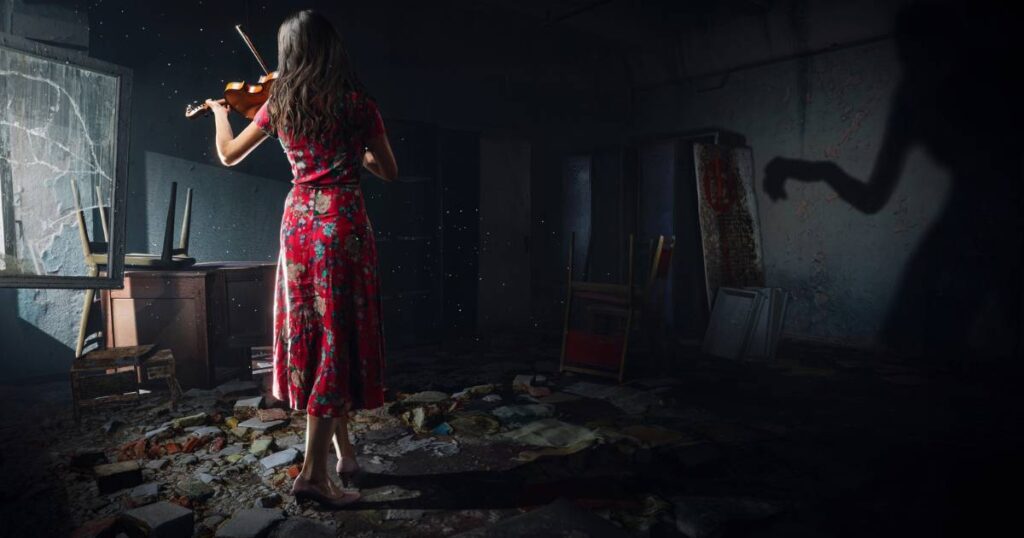
The Crimson Desert survival experience is built around endurance, presence, and existing in a world that does not revolve around the player.
Some worlds are built for you.
They bend, they shine, they respond to your presence. Every mountain, every breeze, every whisper of a tree exists to serve the player’s journey. Crimson Desert is not one of those worlds.
The moment you step into Pywel, its vast landscapes stretch beyond comprehension. Dust swirls in the wind, carrying the faint metallic scent of distant battles. The sun hangs low, casting long shadows that twist across barren plains and jagged cliffs. Rivers carve their way stubbornly through the land, indifferent to your footsteps. Forests loom, dense and silent, like ancient guardians judging your intrusion. Every horizon feels distant, unreachable, as if the world itself has decided to live on its own, with or without you.
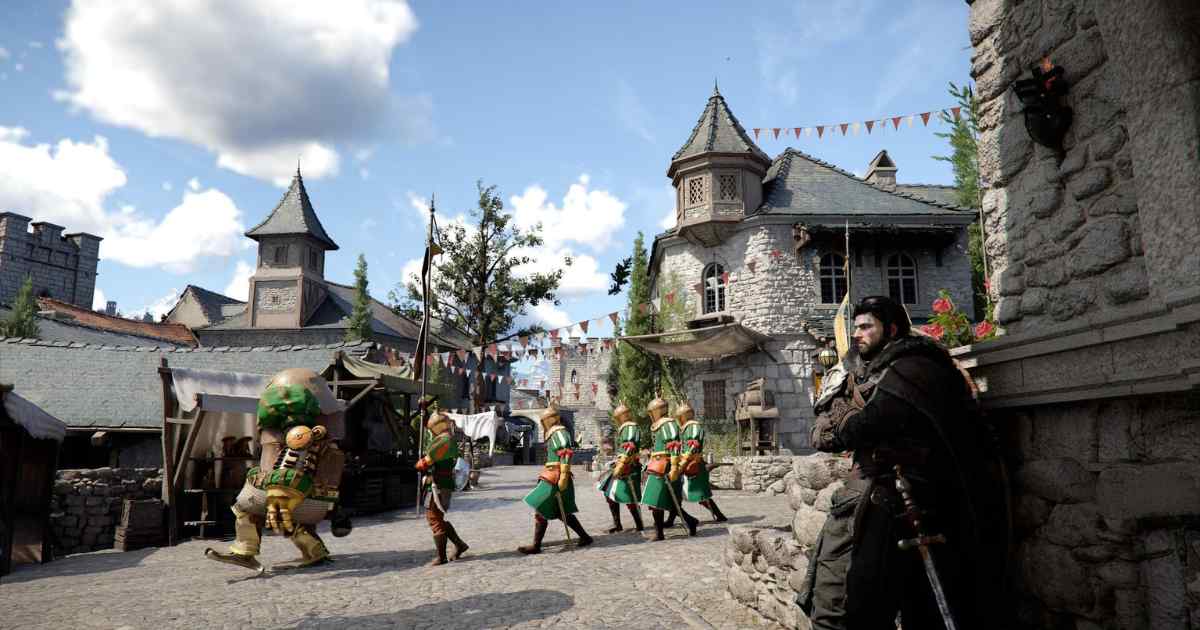
There is no handholding here. No easy markers to guide your way, no glowing trail to promise safety. Even the towns feel alive beyond your influence, merchants continue their trade, soldiers patrol without pause, and the world moves forward whether you survive or fall behind. You are small. Vulnerable. A single thread woven into a tapestry much larger than yourself.
And yet, despite this weight, there is beauty in the harshness. The orange haze of a setting sun on ruined battlements. The mournful cry of distant wolves echoes across a canyon. The glint of armor half-buried in sand, telling stories of forgotten struggles. The world doesn’t exist for you. It doesn’t pause, adjust, or comfort. It demands that you notice it, adapt to it, and endure it.
Crimson Desert does not reward instant gratification. It does not whisper promises of power. It invites you to experience presence, the slow, deliberate act of being part of something larger, something that will challenge you not for entertainment, but simply because it is.
This is why Crimson Desert does not feel like a game you play.
It feels like a world you survive.
The World Doesn’t Exist for You
At Crimson Desert, you get to know the first fact, which is unbelievable and at the same time, very simple: the world is not created to look after you.
Pywel does not bend or pause for the player; it exists with or without you. Explore its vast, living world on the official Crimson Desert website. Towns bustle with traders and soldiers, fields stretch endlessly, mountains stand as silent monuments, and rivers flow stubbornly toward the horizon. Even the weather is indifferent: a sudden sandstorm or flash of rain can force you to stop or adapt.
It is an impassive world, and the indifference is the life in it. All things, the wailing of distant wolves, the dry scuttle of the leaves under your feet, are outside of your will. Survival here is never guaranteed; it must be earned. Progress is never guaranteed. In Pywel, you are not the protagonist; you are only a participant. Once you accept it, the world begins to teach you: observe, adapt, survive.
Even the scenery is loaded. Open plains are infinite and naked, and every step forward made there is a conscious one. The surrounding woods close in, muffling distant sounds and reminding you that every step carries danger. Mountains in the distance stand like ancient guard-posts, their cliffs and winding paths testing your skill and patience. In Crimson Desert, the world is not a stage, but a teacher. It is indifferent, yet never empty; every breeze, shadow, and distant sound carries meaning, if you pay attention.
And in that knowing some weird intimacy develops. It is a world that may not include you, yet it acknowledges your existence by implication. Each wrong action counts, each decision leads to changes, and each experience may change the course of victory or loss. Pywel’s apathy demands respect, and in return, it offers a rare immersion that lingers long after the controller is set down.
It is not that you are being entertained here. You are tested, watched, and put on a silent trial. And that is the very reason why Crimson Desert is more like a world to survive rather than a game to play.
The Pywel Note: In Pywel, every step matters. Observe your surroundings, listen to the whispers of the land, and let the world teach you patience. Survival is not about speed or strength; it is about presence, awareness, and endurance.
Survival Is Emotional, Not Just Mechanical
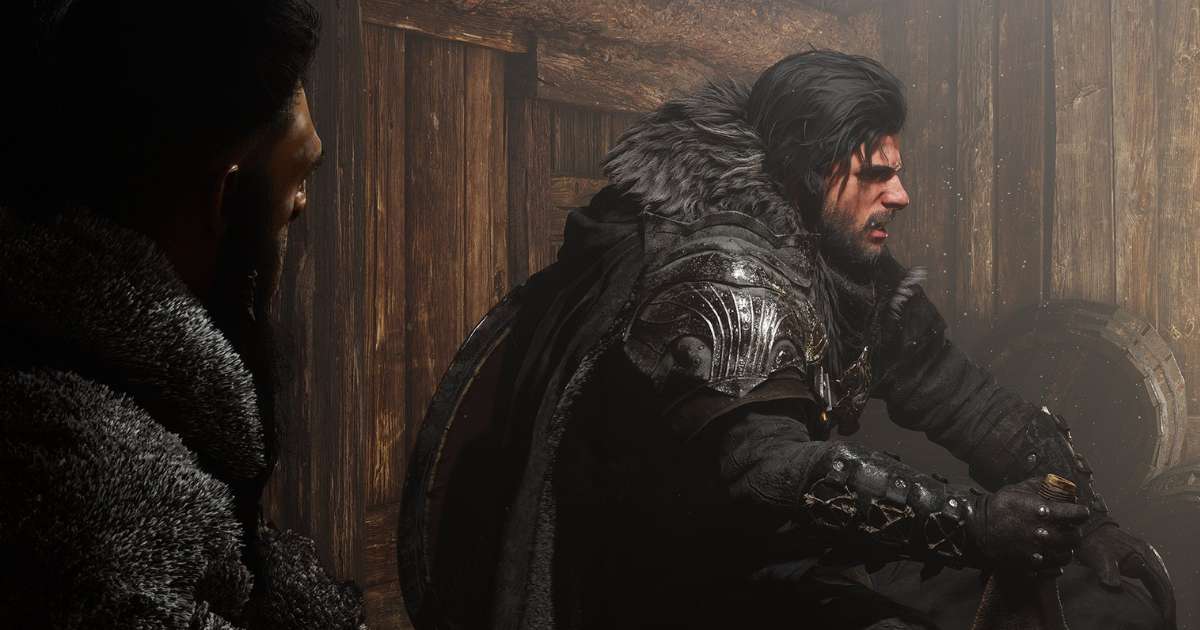
In Crimson Desert, it is not only your health bar, your armor, and your sword that determine your survival. It is measured by the tension it evokes, the strain in your chest, the cautious rhythm of your heartbeat, and the silent fear and thrill that accompany every deliberate step.
Every experience of the world, a scavenging venture, a sudden storm of sand, or some silent night in an isolated camp, has a charge. You touch the earth, not pass through it. Each choice is a burden: either move forward, feeling tired, or take a break and hope not to lose time. Unlike other narrative-driven action games, like the Wolverine game on PS5, Crimson Desert makes you feel the weight of every decision, blending emotion and survival in ways few games attempt.
One of the best elements of Crimson Desert is the fact that it makes you insignificant, defenseless, and very conscious of your role in the world. The game teaches that it does not always have to be survival of the fittest: it can be a matter of survival, patience, and time. You recall the moments of tension, the short-lived joy of safety, and the lessons murmuring in your ear by the land long after you laid the controller aside.
Crimson Desert doesn’t just simulate survival, it immerses you in it, revealing a quiet truth: whether in life or in Pywel, survival is as much about emotional strength as it is about skill.
The Endurance Note: Survival is more than mechanics. Listen to the world around you, feel the weight of your choices, and embrace the tension. Presence and patience often matter more than power or speed, both in Pywel and in life.
Kliff: A Mercenary Among Giants
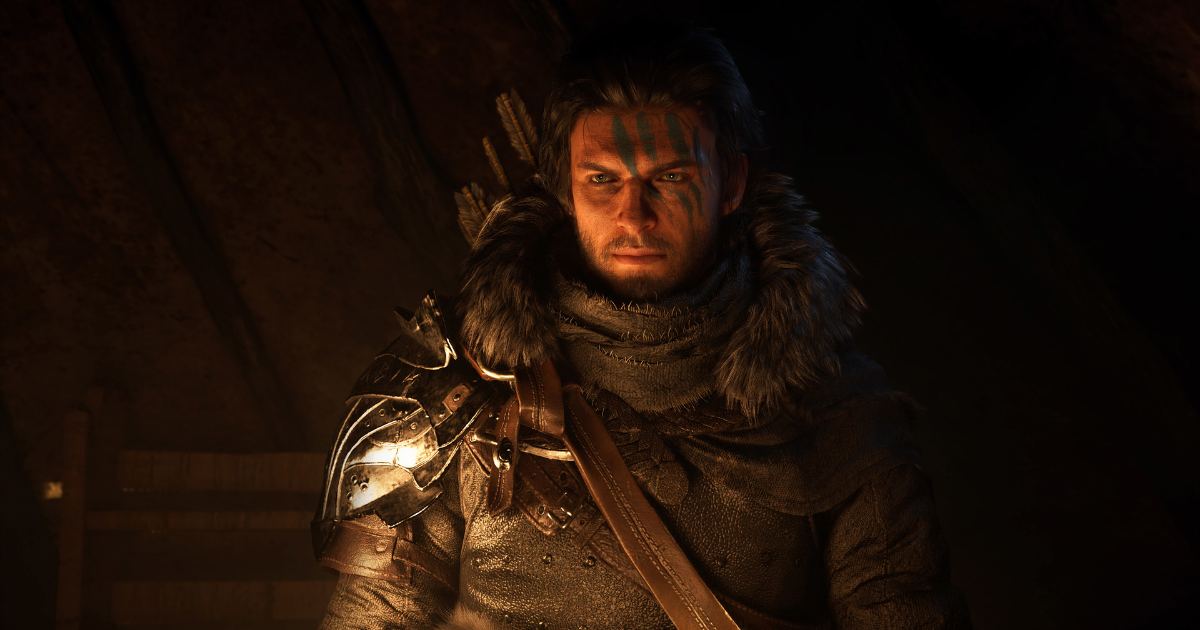
In a world as vast and indifferent as Pywel, any player might imagine a hero who bends it to their will. But Crimson Desert doesn’t give you that. Kliff is not that hero. He is a killing machine, a survivor, a man with hard experience and the burden of his decisions. He bears scars, both physical and emotional, each one telling a story of battle, loss, and betrayal. Each of his actions is a reminder that he is a human, fallible, and is very much connected to the world he is living in.
Kliff is not dominant; he survives. He moves with the rhythm of Pywel rather than against it. His approach is quiet and deliberate. He doesn’t fight for the sake of it, he doesn’t protect for glory, he survives because surrender is never an option. You are experiencing his exhaustion, his waryness, and his silent contemplations under the dying sun. He is not a person you just play; he is one you share with and a prism through which the world can be seen.
The brilliance of Crimson Desert lies in how Kliff’s presence deepens immersion. He isn’t untouchable or flawless. Every choice he makes, to fight, evade, or pause, carries the weight of an unforgiving world. His story is inseparable from Pywel itself, shaping him as he leaves quiet marks of strength, decency, and humanity wherever he treads.
Crimson Desert, through Kliff, shows a subtle truth: being a hero isn’t always praised, and simply surviving is far from glamorous. At times, being a hero is just being able to survive, watch, and proceed even without knowing what to do.
The Mercenary’s Insight: Kliff shows that true strength lies in resilience, awareness, and deliberate choices. Power fades, but endurance and presence leave a lasting mark, in Pywel and in life.
Silence Speaks Louder Than Action
Crimson Desert often lets nothing happen, and those quiet moments are powerful. A vast plain stretches before you, empty yet meaningful, the wind rustling through long grass carrying the scent of distant fires. Mist-shrouded mountains rise in the background, their peaks imposing. The stillness itself holds weight, reminding you that the absence of chaos can be as alive as action.
War and struggle are not permanent things, yet they are unavoidable. The game is not about quick action, but it is more about patience, focus, and observation. The murmur of a campfire, the infinitely tiny whistle of the wooden timbers of a deserted village, or the tiny, tiny, tiny crunching of sand under your feet can give you more feeling than all the combats in the world. These are quiet moments that push you, make you see, experience, and live in the world, not the way you like and prefer it to be.
The silence of Pywel can never be vacant; it is as full as wind, shadows, cries in the distance, just waiting to tell of something that is off. It asks you to slow down, soak in the scenery, and feel the tension woven into every corner of the land. Crimson Desert, through its silence, reminds us of something we have lost in many games nowadays: immersion is only achieved through presence, patience, and attention, not through spectacle.
Even the slightest details, a flash of light over a fallen tower, or the movement of a solitary tree, the murmur of the footsteps heard at a distance, have a value. They are no filler; however, they are storytelling in the purest and most unobtrusive form. You do not stop by and see the world; you touch it.
The Whispering Wind: In silence, the world speaks. Pay attention to its subtle signs, its quiet rhythms, and the tension it holds. Presence, observation, and patience transform the ordinary into moments of lasting meaning, in Pywel and in life.
You’re Not the Hero, You’re a Participant
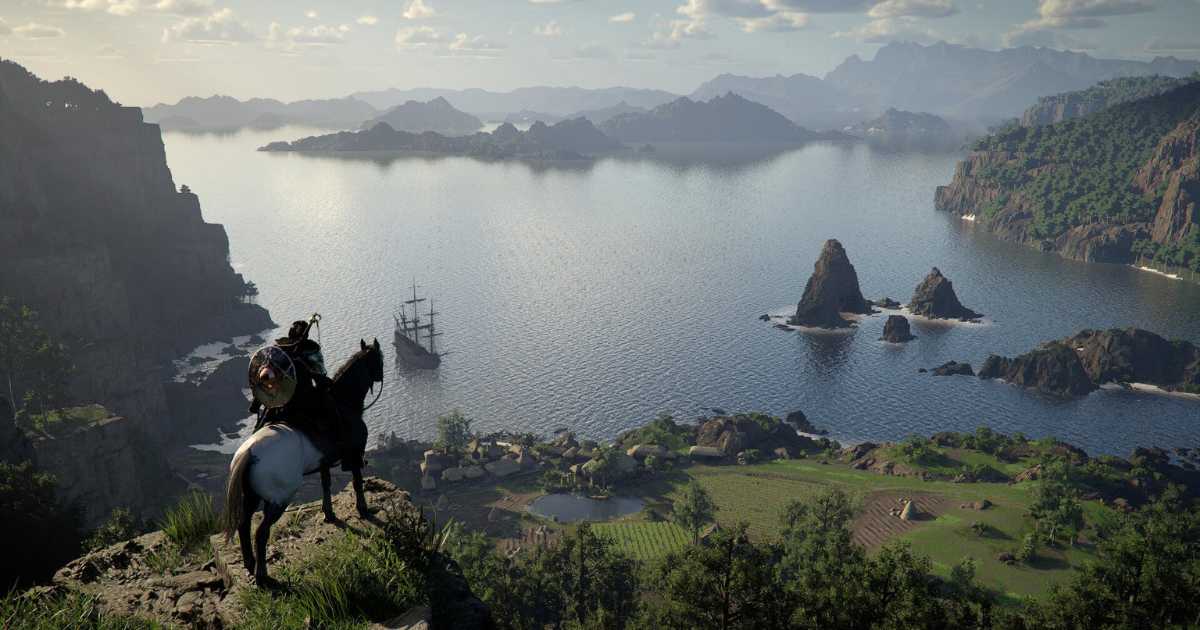
Crimson Desert does not put you on a pedestal. You are not the one who is blessed, the untouchable one, the one who is the heart of all things. You are little, and you are exposed, and you are a part and parcel of something bigger than you. And each village, each battlefield, every mountain in the distance is a thing which has no relation to you. The land is unforgiving, the world moves on without pause, and its people owe you nothing.
That is what has made the game remarkable: it makes the power as secondary as presence. You are not there to conquer the world; you are there to live in it, to survive, to adjust, to be a part of the story that is going on. Every encounter carries weight, because its consequences are real. One wrong move may cost a lot, one moment may alter everything, and decisions are not required by the game, but survival in this world is subtle, delicate, and ruthless.
The necessity to be a member of Pywel makes one humble. Action’s rush is fleeting. True depth comes from seeing where you belong in the vastness, watching closely, and acting wisely. Every choice, fight, run, or observe, matters, not by the kills you rack up, but by how present you are in the world.
Crimson Desert is an eye-opener and teaches that glory is not always about heroism. The silent process of survival, the conscious decision to continue, the realization of your belonging to something bigger, is sometimes the most heroic thing that you can perform.
The Observer’s Reflection: You are part of something larger. Notice, adapt, and endure. Heroism is not about dominion, but about presence, awareness, and mindful action, both in Pywel and in life.
Why the Crimson Desert Survival Experience Stays With You
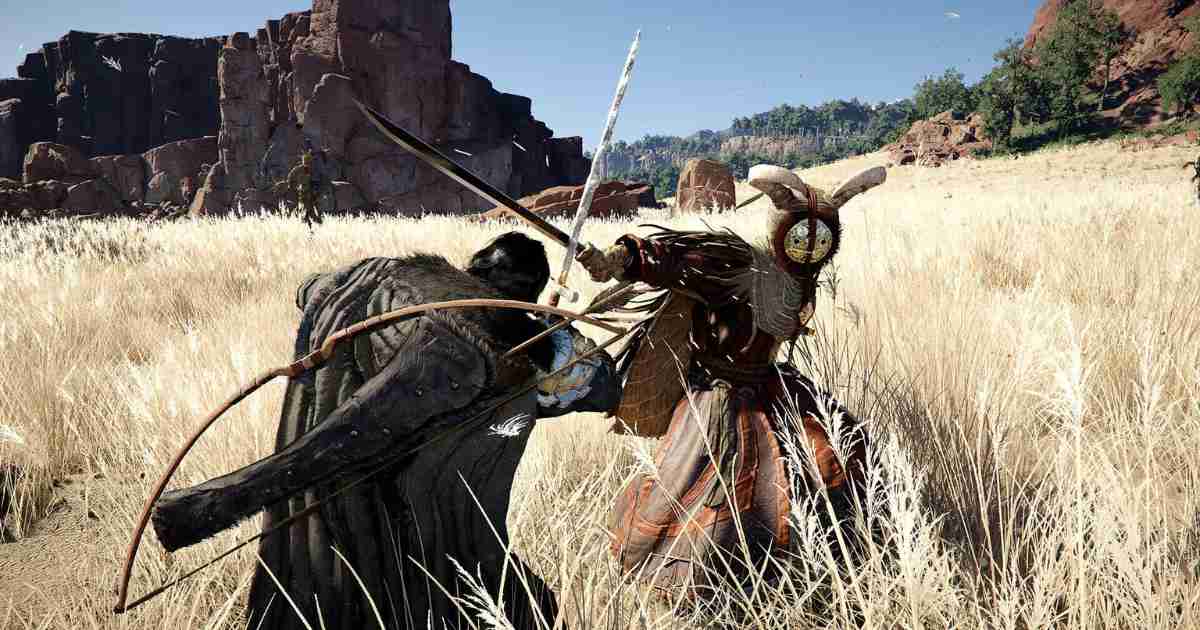
Crimson Desert creates an impression that is hard to forget, even in the few glimpses shown with the trailers and demos. It is not defined by hype combat, the epic battles, but by the feeling of presence, size, and weight. One sweeping shot of the Pywel deserts, a mountain looming in the distance, or Kliff wandering through a deserted village can ignite feelings that most open-world games can’t match.
Crimson Desert hints at a world that lives and breathes on its own, beyond your control. You are not guided by systems, but by choice. Every step carries tension, every empty stretch of land feels heavy with loneliness, and beauty often hides in silence rather than spectacle. Even in brief glimpses, the world lingers, inviting reflection and reminding you of the quiet weight of simply being there.
This is why this game is not like others. Unlike many epic action adventure games, it not only promises action, but memory and presence, calling the players to enter Pywel and live in it, at least in imagination, before the release. All these give a hint that the journey will not be about conquering a world, but being a part of it, observing its rhythms, and creating a feeling of its effects.
The Lasting Echo: Even before it is fully experienced, Crimson Desert shows how a world can leave a mark. Notice the small details, feel the weight of your presence, and carry these impressions forward. Some experiences stay with you not because they entertain, but because they make you feel alive in a world that exists beyond yourself.
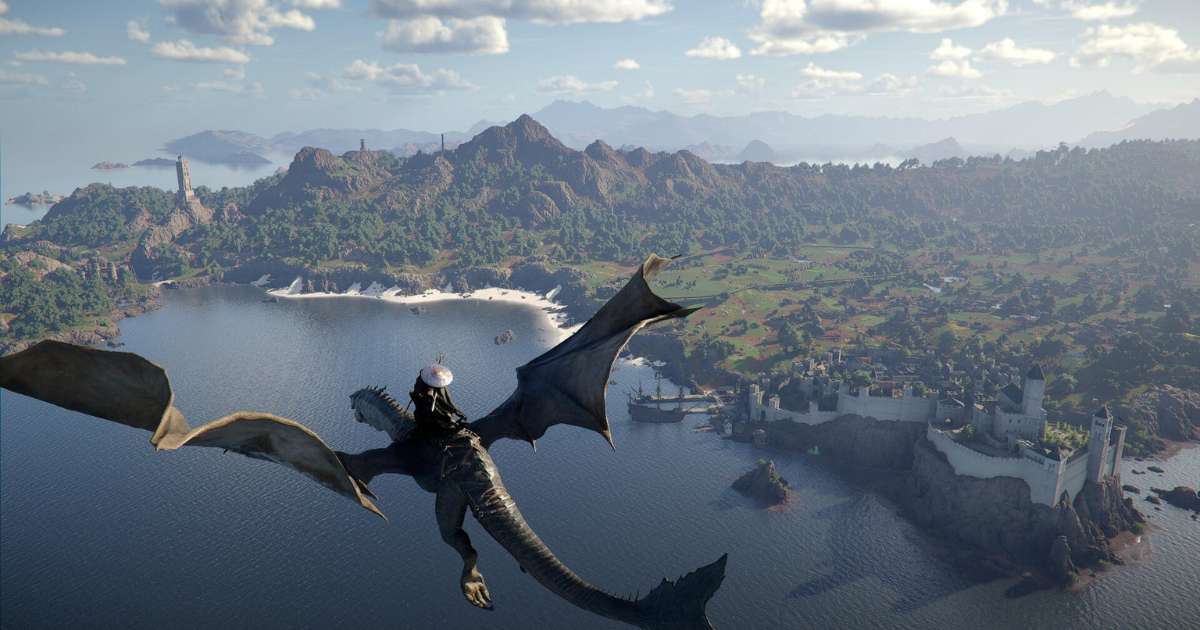
Before stepping further into Pywel, some questions deserve quiet, deliberate answers.
Guidance Through the Desert
Q1: Is Crimson Desert an MMO like Black Desert Online?
A: No. While developed by Pearl Abyss, Crimson Desert is a narrative-driven single-player experience. It focuses on story, exploration, and survival rather than online economies or constant multiplayer interaction. The world exists independently of the player, a key aspect of its immersive design.
Q2: Who is Kliff, and why is he important?
A: Kliff is a mercenary shaped by Pywel’s harshness, neither flawless nor larger-than-life. His significance lies in how he experiences the world, through careful observation, deliberate choices, and endurance. Experiencing the land and its challenges through his eyes gives players a sense of presence and vulnerability.
Q3: What makes the world of Pywel unique?
A: Pywel is alive, vast, and indifferent. Towns, mountains, rivers, and forests continue their existence regardless of the player’s presence. This independence creates weight, tension, and immersion, making each step and decision feel consequential. The world rewards awareness and patience over constant action or power.
Q4: Is combat the main focus of the game?
A: No. While combat exists and is designed to feel weighty and grounded, it is not the defining element. Crimson Desert emphasizes presence, survival, and emotional resonance. Moments of silence, observation, and careful navigation can be as impactful as battles, highlighting the game’s reflective design.
Q5: How can players engage with the game before its release?
A: Even without playing, you can immerse yourself through trailers, demos, and developer insights. Observing Pywel’s landscapes, studying Kliff’s interactions, and imagining the world’s rhythms are ways to begin experiencing Crimson Desert: a world that exists beyond yourself and lingers in memory.
The Last Step in Pywel
Crimson Desert is not a game that asks you to conquer. It asks you to exist. To feel the weight of Pywel beneath your feet, to sense the wind carrying stories of distant battles, to notice the quiet rhythms of a world that continues, indifferent yet profoundly alive. Every step, every choice, every glance at the horizon is a reminder that survival is not just about strength or skill, it is about presence, awareness, and endurance.
Through Kliff, the mercenary navigating this vast, unforgiving land, the game teaches a quiet truth: heroism is rarely glamorous. It is often a slow, deliberate process of observing, learning, and moving forward, even when the odds feel insurmountable. And in that process, the world imprints itself on you. The landscapes, the silent moments, the tension and fleeting beauty, they linger, echoing long after you have stepped away.
Crimson Desert promises more than adventure. It promises a world that feels alive, a story that resonates, and an experience that endures. It reminds us that some journeys are measured not by victories or loot, but by the emotional weight they leave behind.
“Some worlds exist to be conquered, but the ones that stay with us exist to be felt. Step carefully, observe deeply, and carry their weight with you.”