There is a quiet moment that almost everyone who trains has felt.
It usually comes after weeks of pushing harder.
After sore mornings, forced workouts, skipped rest, and that familiar inner voice saying, “Do more. You’re not doing enough.”
You stand still for a second, maybe in front of a mirror, maybe alone after a session, and instead of pride, there’s exhaustion. Not the good kind. The kind that sits deeper.
Somewhere along the way, fitness stopped feeling like care and started feeling like punishment.
We are taught to believe that pain is proof. That suffering equals progress. That if your body isn’t aching, you didn’t earn the results. So we override signals. We ignore fatigue. We treat rest like weakness and kindness like laziness. And when progress slows, as it always eventually does, we blame ourselves instead of the system we’re trapped in.
But the body was never meant to be bullied into change.
Real fitness doesn’t grow in aggression. It grows in understanding. It grows when training becomes a conversation, rather than a command, when effort is balanced with awareness. When progress is measured not just by how much you can push, but by how well you can listen.
This article isn’t about quitting hard work.
It’s about ending the war with your own body.
Because the mindset that actually works isn’t louder, harsher, or more extreme.
It’s calmer. Smarter. Sustainable.
And once you feel it, you never train the same way again.
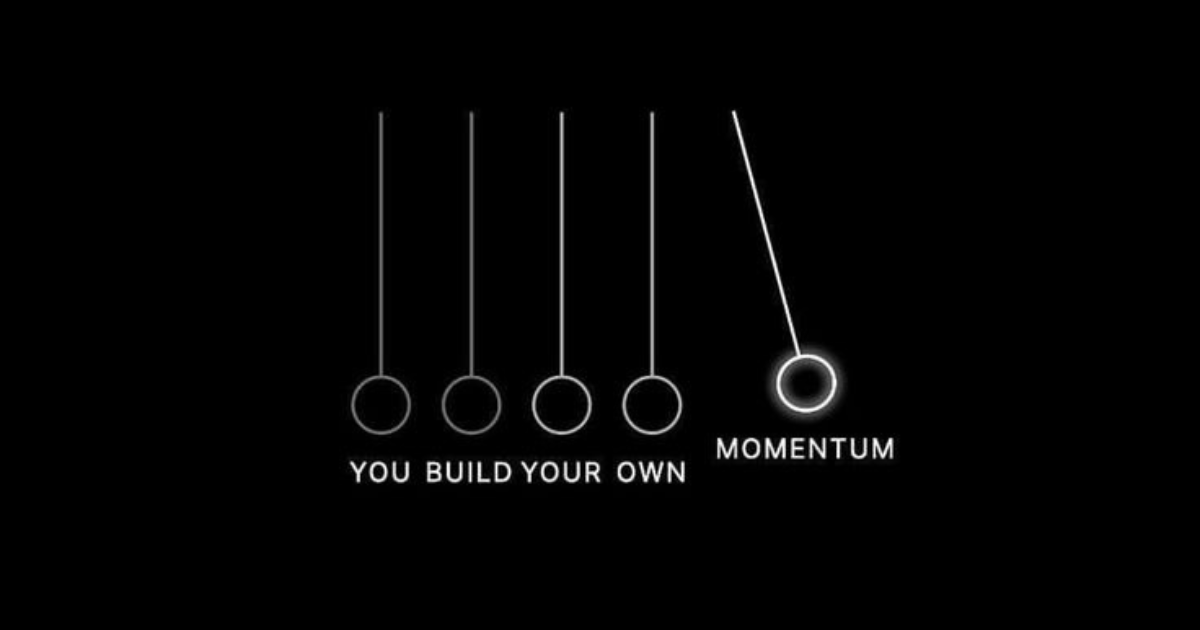
Stop Punishing Your Body: The Fitness Mindset That Actually Works
At some point, fitness began to be measured by how hard you could push yourself, how much pain you could tolerate, and how much guilt you could burn away. Eat more than planned? Train harder. Miss a session? Double the next one. Feeling tired? Ignore it and keep going.
This is whereby the body is perceived as an enemy instead of a partner. With time, training ceases to be a growth process, and it has become a correction process. You start depleting energy, inspiration, and happiness, instead of developing strength, stamina, and belief.
When you train out of punishment, it shows in subtle ways:
- Workouts are driven by guilt rather than intention.
- Rest days feel like weakness or laziness.
- Soreness and fatigue are treated as proof of effort, not signals.
- Consistency turns into burnout disguised as discipline.
- Progress slows even though effort is at its peak.
The truth is, when the body is given time to rest, it adapts to stress. Push it constantly, ignore the signals, and it stops responding. The strength does not build up in endless suffering; it builds up in a meeting of effort and recovery. Training must be tough, alright, but not devastating. You need to come out of a session refreshed, empowered, and optimistic, rather than devastated and bitter.
Changing your mind does not imply working less. It is doing things more smartly. Taking notes on the sensation and feel of your body, proper regulation of effort, respecting rest, and letting your gains compound slowly. This strategy transforms workouts into a mission over weeks and months. Energy returns. Motivation deepens. The body ceases being an opponent that you struggle with and begins to be a companion in your development.
FitPlay Pause: Next time you step into a workout, pause for a moment. Ask yourself: “Am I building strength, or punishing myself?” Even small changes, lighter weights, extra rest, or simply noticing fatigue, are not weaknesses. They’re intentional choices that let your body grow stronger over the long term.
Listening to Your Body Is a Skill, Not an Excuse
The majority of the population would comprehend the saying, listen to your body and instantly associate that with laziness or weakness. But here is the truth: It is the listening that is the basis of progress rather than a quick cut out of effort. Your body is always talking, and some of these messages are not very dramatic; others may be implied, but either way, learning to interpret them is what makes the difference between burnout and sustainable growth.
It is easy to disregard these cues. It is what the culture of fitness usually promotes: work harder, make sure that you are sore, train despite exhaustion, and be proud of being disciplined. However, it is not an issue of putting in hard work, but the wrong kind of hard work. Without realizing it, you could be showing up every day, working hard, and still stalling your results.
Signs your body is trying to communicate include:
- Elevated heart rate or unusual fatigue during sessions.
- Soreness that doesn’t subside after proper rest.
- Persistent joint or muscle discomfort.
- Decreased motivation or mental fog.
- Feeling drained despite sleeping and eating enough.
Listening does not imply that you live without work. It consists of being smart. That may appear sometimes as cutting down on the weight, adding another day off, or replacing the workouts that strain your body but are not necessary. Other times, it is a matter of nutrition, hydration, or sleep. Each decision is a larger conversation with your body, including how you eat and nourish yourself through every meal (read more about mindful eating habits here).
When you practice this skill over time, several things happen:
- Recovery improves because you respect your body’s limits.
- Strength and endurance increase as your system adapts efficiently.
- Injury risk decreases, giving you a longer, healthier training journey.
- Motivation and enjoyment return because training stops feeling like punishment.
It is very subtle but powerful to distinguish between listening and excusing yourself. Listening needs discipline also, but of a different kind. It’s about pausing, observing, and acting with intention instead of moving blindly out of guilt or habit.
FitPlay Pause: Before your next session, take a moment to check in: “What is my body telling me today?” Adjust your plan if needed. Listening isn’t giving up; it’s training smarter and building a foundation that lasts far beyond any single workout.
Rest and Recovery Are the Real Superpowers of Fitness
We live in a society that worships hard work. Social media glorifies early mornings, double sessions, and never taking a day off. But the fact is that it is not the hard work that will do you good, but rather the quality of your rest.
Rest is not taking a break in training, but it is training. It is the time that muscles mend, the energy reserves are replenished, and your body gets accustomed to the burden you subjected it to. This idea is also supported by clinical research on overtraining and recovery, which shows that insufficient rest can stall progress and increase injury risk. Having no proper rest, all of the efforts of the world may suddenly come to a halt, and you are in a state of frustration, exhaustion, and at risk of injury.
Ignoring rest has consequences that show up quietly at first:
- Persistent soreness that never fully fades.
- Plateaus in strength, endurance, or performance.
- Decreased mental focus and motivation.
- Increased risk of injury or chronic fatigue.
On the other hand, honoring recovery amplifies your work. Your body responds more effectively, sessions feel more productive, mental clarity returns, energy stabilizes, and progress, slow but steady, becomes inevitable.
Recovery comes in many forms:
- Sleep: The most obvious yet most neglected superpower. Deep sleep triggers muscle repair and hormone balance.
- Active rest: Gentle movement like walking, yoga, or stretching to keep circulation and mobility healthy.
- Nutrition and hydration: Fueling recovery with the right balance of protein, carbs, fats, and water.
- Mindful breaks: Mental recovery is just as important; stress slows adaptation, so downtime is necessary.
As soon as you begin to consider recovery as part and parcel of training, you will no longer feel like measuring the numbers or punishing yourself because you did not work out. You begin to have faith in your process, allow the adaptation to occur naturally, and develop the strength that is here to stay.
FitPlay Pause: Before your next workout, ask: “Have I given my body enough time to recover?” Recovery is not optional; it’s your superpower. Respect it, and every session you do will be more effective than the last.
Shift from “More Effort” to “Better Effort”
We have been preaching over the years that more is the key to fitness. Increased number of sets, reps, and hours at the gym. However, there lies a little trap; harder work does not necessarily result in improved outcomes. In fact, it tends to cause exhaustion, burnout, and stagnation.
Smart training refers to quality training rather than quantity training. Each movement, each of the sessions, each decision is meaningful. It is not the amount of effort you can exert on your body nowadays, but the quality of effort that produces lasting improvement.
Signs you might be stuck in the “more effort” trap include:
- Feeling drained after every workout, with little improvement in strength or endurance.
- Ignoring form or technique just to complete extra reps.
- Measuring success only by time spent or calories burned.
- Sacrificing recovery and sleep to squeeze in more sessions.
Better effort, on the other hand, is intentional:
- Focus on proper form: Every rep matters more than every set. Precision beats volume.
- Prioritize compound movements: Choose exercises that give the most return for your time and energy.
- Listen to feedback: Notice your energy, soreness, and mental focus before adding intensity.
- Plan progressive overload intelligently: Increase weight, reps, or difficulty gradually, rather than pushing blindly.
Through such mentality changes, exercising begins to be meaningful instead of a punishment. Your body gets used to it better. You become stronger and more resilient and confident, without experiencing the trap of being in a cycle of more and more.
FitPlay Pause: Next time you train, ask yourself: “Am I working smarter or just harder?” Small, intentional changes, focusing on form, energy, and progression, will always beat sheer volume. Better effort wins the long game.

Mindset and Self-Compassion Are Game-Changers
Fitness is more mental than a physical thing. It is possible to challenge your body to the point that it can go, but when your mind is judgmental, impatient, or even punitive, movement will never be satisfying. Self-compassion isn’t about making excuses; it’s about creating a mental space where growth happens naturally.
When people fail to practice self-compassion, they often:
- Beat themselves up for missed workouts or “imperfections” in their routine.
- Compare themselves to others, measuring success only externally.
- Treat small setbacks as catastrophic, creating cycles of guilt and overtraining.
An attitude that really takes effect is based on knowledge and tolerance. It understands that change is a process, and that small, repetitive efforts are more effective than extreme and short-lived efforts.
- Celebrate small wins: Every session completed, every extra rep, every stretch taken matters.
- Acknowledge your effort: Progress isn’t always visible immediately, but your body and mind are adapting.
- Be kind on off-days: Rest or a lighter session doesn’t erase progress, it fuels it.
When you train with self-compassion, exercise stops feeling like a struggle against yourself. Instead, it becomes a path to becoming stronger, healthier, and more resilient, both physically and mentally. Your body transforms into a collaborator, and you no longer punish it for life’s natural ups and downs.
FitPlay Pause: Before your next session, remind yourself: “I am training to build, not to punish. I am patient with my progress, and I honor both my effort and my rest.” A gentle mindset shift can turn frustration into clarity, making every workout more effective.
Planning and Structured Progression Make Every Effort Count
Random effort rarely leads to lasting results. Many people train without a clear plan, jumping between exercises, programs, or routines based on what they “feel like doing” that day. While effort is important, structured progression ensures that every rep, every set, and every session contributes to long-term growth.
Without planning, it’s easy to fall into patterns like:
- Overworking certain muscle groups while neglecting others.
- Stagnating because intensity or volume isn’t increasing intelligently.
- Skipping recovery days because you “feel behind.”
- Losing motivation due to a lack of measurable progress.
Structured progression is not complicated. It’s about creating a roadmap that balances challenge, adaptation, and recovery, including choosing workouts that suit your goals and fitness level (like these beginner chest workouts to get you started).
- Track your sessions: Note weights, reps, and sets. Progress becomes visible over time.
- Adjust gradually: Add weight, reps, or difficulty slowly, instead of sudden jumps that risk injury.
- Mix intensity with recovery: Hard sessions followed by lighter ones optimize adaptation.
- Set micro-goals: Small milestones keep motivation high and reinforce consistency.
When your training has a clear structure, each session serves a specific purpose. You stop asking, “Am I doing enough?” and start asking, “Am I doing what matters today?” This mindset turns effort into measurable progress without unnecessary punishment.
FitPlay Pause: Take a moment before your next workout to ask: “Is today’s session planned for growth, or am I just pushing randomly?” Even a small plan, tracking weights, reps, or goals, can transform every session from wasted effort into meaningful progress.
Avoid Comparison and Embrace Your Own Journey
Comparison is one of the largest pitfalls in fitness. The culture of the gym, social media, and even friends can leave you thinking that you are getting left behind. You see someone working harder, running faster, or getting results sooner, and suddenly your own effort feels insignificant.
Comparison is not motivational; it is distracting, discouraging, and usually results in unnecessary punishment of the body. You can over-exert yourself trying to keep pace, or fail to take necessary time in a bid to keep pace, or compromise the long-term regularity just to fit into someone else’s schedule.
Signs you’re trapped in the comparison cycle include:
- Measuring success only by others’ achievements.
- Feeling frustrated despite steady progress.
- Pushing through pain or fatigue to “keep up.”
- Losing focus on your personal goals.
The solution is simple and practical: focus on your own journey, not someone else’s. Everybody is different. Each plan, routine, and starting point is different. Growth is achieved through self-monitoring, smart adjustment, and rewarding yourself.
- Track personal improvements: Strength, endurance, flexibility, and consistency are far more meaningful than someone else’s stats.
- Set your own milestones: Weekly or monthly goals keep focus on your path, not theirs.
- Celebrate effort, not comparison: Completing a workout, maintaining consistency, or improving technique is success in itself.
- Learn from others, don’t compete: Inspiration is fine; unnecessary pressure is not.
Upon taking your own route, exercises are meaningful. You stop punishing your body and start working with it. Motivation turns positive, and progress becomes sustainable, enjoyable, and personal.
FitPlay Pause: Before your next session, ask yourself: “Am I training for myself, or for someone else?” Focus on your path, celebrate your wins, and let your progress be measured by your body and your consistency, not by anyone else.
Make Fitness a Lifelong Habit, Not a Temporary Struggle
Too many individuals take fitness as a marathon rather than a sprint. They dive into extreme practices, harsh restrictions, or punishing training in the hope of a quick fix. When the first rush of motivation finally wears off, frustration kicks in, and guilt re-enters, and no performance happens.
The mentality that really works is patient, sustainable, and long-term. Fitness cannot be done overnight or accomplished in one day. It is a habit, a way of life, and a relationship with your body, one that takes months and years to build, not days or weeks.
Signs that fitness feels temporary:
- Chasing extreme results without considering sustainability.
- Skipping rest or recovery to force progress.
- Obsessing over short-term metrics instead of long-term growth.
- Feeling guilty when you miss a session or indulge in food.
Transforming fitness into a lifelong habit means focusing on consistency, enjoyment, and smart effort:
- Create routines you can maintain: Daily movement should fit your life, not disrupt it.
- Make it enjoyable: Choose exercises, sports, or activities you actually like doing.
- Respect your body: Progress comes from listening, resting, and training intelligently.
- Adjust, don’t punish: Life happens, energy fluctuates, and that’s okay. Sustainable growth is flexible.
As soon as fitness is something you get used to rather than something that becomes a challenge, your body and mind will be thankful to you daily. Exercises cease to be a burden. An improvement becomes foreseeable. Motivation becomes natural. And the association you have with your body changes; it is turned into a source of pride, confidence, and energy, not guilt or frustration.
FitPlay Pause: Before your next session, remind yourself: “I am building a lifestyle, not chasing a short-term fix.” Every choice, every session, every rest day is part of my long-term journey.” Habits, not punishment, are the secret to lasting results.
FitPlay Pause & Reflect: Honest Guidance for Every Step of Your Journey
Q1: I feel guilty when I miss a workout. Am I failing?
A: Absolutely not. Missing a session does not erase progress. Fitness isn’t about perfection; it’s about consistency over time. Your body grows stronger during recovery, so taking a break can be just as productive as a workout. Pause, reset, and get back with focus rather than guilt.
Q2: How do I know if I’m pushing too hard?
A: Pay attention to your body’s signals: lingering fatigue, elevated heart rate, joint soreness, or mental burnout. These are not weaknesses, they’re messages. Adjust intensity, take extra rest, or modify exercises. Smarter effort wins the long game.
Q3: I see others progressing faster than me. Should I push harder?
A: Your journey is unique. Comparing yourself to others often leads to punishment-style training and burnout. Focus on your own progress, track your improvements, and celebrate small wins. Growth is personal, not a competition.
Q4: How important is rest really?
A: Rest is a superpower. Recovery allows muscles to rebuild, energy to restore, and your body to adapt to training. Skipping rest might feel productive short-term, but it slows progress and increases injury risk. Plan your sessions with intentional recovery; your future self will thank you.
Q5: Can I train smarter and still make real progress?
A: Absolutely. Smarter training, listening to your body, planning sessions, focusing on form, and honoring recovery produce long-term gains. Progress isn’t about how much you push today; it’s about how well your body adapts over weeks and months.
Q6: How do I turn fitness into a lifelong habit?
A: Keep it consistent, enjoyable, and flexible. Build routines that fit your life, celebrate small wins, and embrace setbacks as part of the journey. Habits, not punishment, are what create lasting results. Focus on your path, not anyone else’s.
Conclusion: Training Smarter, Living Stronger
Fitness is not a battle. It’s not punishment, guilt, or endless struggle. It’s a journey, a conversation between your mind, your body, and your choices. Every session, every rest day, every decision builds not just strength, but confidence, resilience, and clarity.
When you stop punishing your body, listen to its signals, honor recovery, and train with purpose, the experience transforms. Workouts stop being chores and start being moments of growth. Self-compassion replaces frustration. Consistency replaces chaos. And comparison fades as you embrace your unique journey.
Every choice matters: the sets you complete, the reps you take seriously, the meals you nourish yourself with, the rest you allow, and the mindfulness you practice. All of it compounds, quietly, beautifully, into lasting results.
This is fitness as it was always meant to be, not a sprint for instant gratification, but a lifelong rhythm of learning, adapting, and growing stronger, smarter, and more capable every day.
Remember, the goal was never to break yourself into shape. The goal was always to build a body you can live inside comfortably, confidently, and powerfully, a body that reflects patience, intention, and respect.
“Train with intention, rest with purpose, and live in a body that honors the effort you give it.”