There was a time when rage had a sound.
It was the metallic shriek of the Blades of Chaos slicing through the air.
It was Olympus trembling beneath a Spartan’s fury.
It was the screen shaking as titans climbed mountains and gods screamed in disbelief.
It was raw.
Before wisdom.
Before restraint.
Before snow-covered forests and quiet conversations with a son.
There was vengeance.
The original Greek saga of God of War, God of War II, and God of War III did not politely introduce Kratos to the world.
It unleashed him.
Back in the PlayStation 2 era, when memory cards were sacred and loading screens felt endless, this series pushed hardware to its breaking point. It made boss fights feel mythic. It made Quick Time Events feel cinematic before cinematic gaming became the norm.
Kratos was not layered.
He was not reflective.
He was not patient.
He was fury made flesh.
And yet, beneath the chaos, there was tragedy.
A man manipulated by gods.
A soldier betrayed by fate.
A father consumed by guilt.
That contrast is what made the trilogy unforgettable.
Years later, when God of War reintroduced Kratos in the Norse lands, we saw something different. Quieter. Older. Measured. The rage was still there, but buried. Controlled.
We grew up with him.
But part of us never forgot who he used to be.
And now, we don’t have to.
Sony has officially confirmed that a full God of War Trilogy Remake is in development, bringing the original Greek saga back with modern technology and contemporary design standards.
This isn’t a simple remaster.
This is the resurrection of an era.
For longtime fans, it feels like reopening an old wound, one that never fully healed.
For new players who met Kratos through snow and silence, this will be a revelation: the storm that came before the calm.
The gods once fell.
And soon, they may fall again.
Official Confirmation: What Has Actually Been Announced
For years, the idea of a Greek saga remake lived in speculation.
Fan edits.
Wishlist threads.
Side-by-side comparison videos.
But now, it has stepped out of rumor and into reality.
Sony has officially confirmed that the God of War Trilogy Remake is in development, bringing the original Greek saga back to life for modern hardware.
That means the return of:
- God of War
- God of War II
- God of War III
Three chapters that didn’t just tell a story.
They declared war on Olympus.
The project is being developed under PlayStation’s direction, with involvement from Santa Monica Studio, the very team that created Kratos and shaped his journey from the beginning.
That detail matters.
Because a remake of this scale demands more than visual upgrades. It demands understanding. It demands respect for tone, pacing, brutality, and tragedy.
Early Development, And Why That’s Important
The trilogy remake is currently in early development. There is:
- No confirmed release date.
- No gameplay footage yet.
- No official platform list beyond expected current-gen hardware.
- No confirmed structural changes.
And that restraint is actually reassuring.
It suggests this isn’t rushed.
Rebuilding three massive, spectacle-driven games for modern systems is not a small task. These were titles built around fixed cinematic cameras, intense Quick Time Events, large-scale boss battles, and a combat system rooted in speed and aggression.
Modern expectations are different.
Will they keep the fixed camera?
Will they adopt the over-the-shoulder perspective from the Norse saga?
Will combat remain arcade-fast or be grounded and weighty?
None of that has been confirmed yet.
But one thing has.
Kratos is going back to where it all began.
Why This Announcement Is Bigger Than It Sounds
The Greek saga represents something different from the Norse era.
When God of War redefined the franchise, it matured Kratos. It slowed him down. It forced reflection. It reshaped the series into something emotionally intimate.
The original trilogy was the opposite.
It was a spectacle.
It was excessive.
It was rage unleashed without apology.
Rebuilding that era today is not just about graphics.
It’s about asking a bigger question:
Can modern gaming still embrace that scale of fury?
Because the Greek trilogy didn’t just shape Kratos.
It shaped PlayStation’s identity during the PS2 and PS3 era.
And bringing it back now feels intentional.
Calculated.
Powerful.
Legacy of the Ghost: Before redemption came reflection, there was fire, and some legends were forged too fiercely to fade.
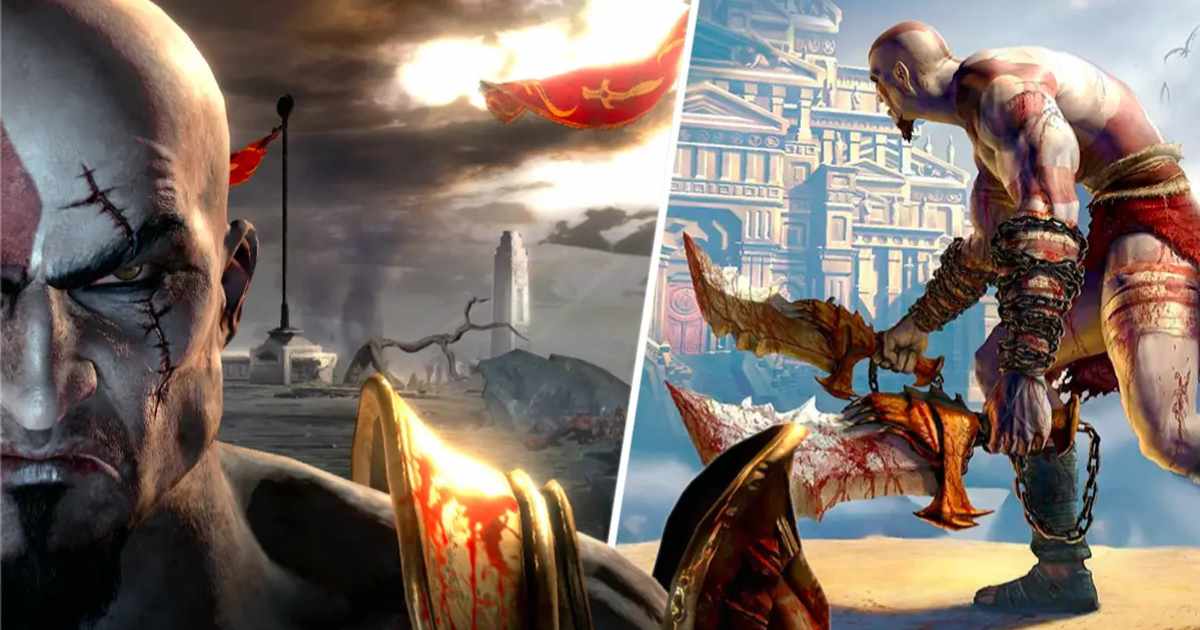
The Greek Saga Revisited: Why These Three Games Still Matter
Before cinematic universes dominated gaming… before every major title chased realism and emotional nuance… There was a scale.
Unapologetic scale.
When God of War (2005) launched on the PlayStation 2, it didn’t feel like just another action game. It felt impossible. The hardware seemed too small for what it was trying to do.
For fans of colossal worlds and unforgettable combat, explore our curated list of epic action‑adventure games.
Massive environments.
Fluid combat.
Brutal finishing moves.
Boss fights that felt mythological, not mechanical.
It blended tight hack-and-slash gameplay with cinematic storytelling long before that became industry standard. Quick Time Events weren’t just button prompts; they were dramatic executions that made players feel directly involved in Kratos’ violence.
And beneath that violence?
A tragic core.
Kratos wasn’t evil. He was broken.
That emotional undercurrent gave the chaos meaning.
God of War II: Refinement and Scale
Then came God of War II.
If the first game proved the concept, the second perfected it.
The combat was smoother.
The pacing is sharper.
The boss fights even more absurdly in scope.
This was the game where you battled the Colossus of Rhodes in the opening sequence and thought, “How can it possibly get bigger than this?”
And then it did.
God of War II turned escalation into an art form. Every set piece felt designed to outdo the last. It pushed the PS2 to its limits right at the end of that console’s life cycle, a technical flex that still gets talked about today.
More importantly, it shifted Kratos from pawn to defier.
He wasn’t just angry anymore.
He was coming for the gods.
God of War III: Vengeance Unleashed
When God of War III arrived on PlayStation 3, it delivered something the previous games had only promised:
War against Olympus.
This was spectacle at its most aggressive.
You weren’t climbing titans.
You were fighting on them.
The scale was overwhelming. The brutality was heightened. The destruction of gods felt both triumphant and disturbing.
And that’s the key.
God of War III forced players to confront the cost of vengeance. The more Kratos destroyed, the more the world collapsed around him.
The trilogy didn’t glorify rage.
It exposed it.
Why These Games Still Matter Today
So why revisit them now?
Modern gaming has evolved, but not necessarily replaced what these games represented.
Today’s titles often favor realism, grounded combat, and slower emotional arcs. The original trilogy represents a different philosophy:
- Fast.
- Relentless.
- Mythic.
- Unrestrained.
Rebuilding these games for current hardware isn’t just about resolution upgrades.
It’s about preserving an era where gameplay spectacle led the experience.
And something is refreshing about that.
Especially now.
For players who discovered Kratos through the Norse saga, particularly God of War Ragnarök, this remake will feel like uncovering a lost chapter of history.
For veterans?
It will feel like reopening a time capsule filled with chaos.
And maybe, just maybe, realizing why we fell in love with the Ghost of Sparta in the first place.
Legacy of the Ghost: Before growth, there was fury. Before wisdom, there was war. And legends are remembered not for their calm, but for the storms they survived.
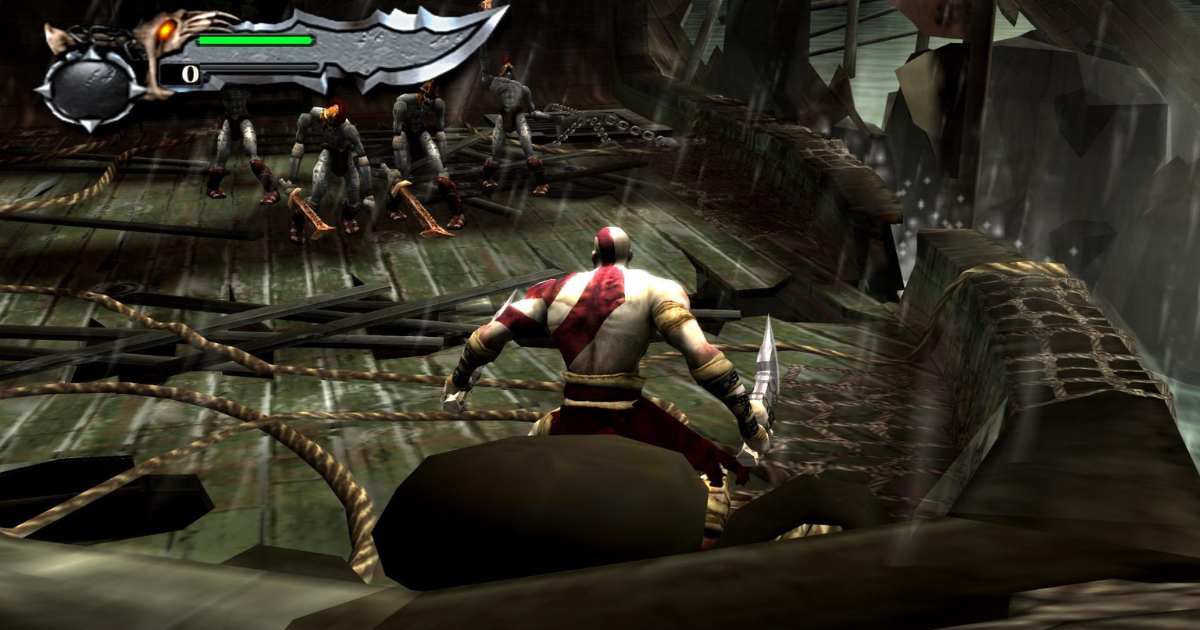
Remake vs Remaster: What “Rebuilt” Should Really Mean
The term “remake” is a loaded one in contemporary gaming.
Not only smoother textures.
But it is not only 60 frames a second.
It is not a light upgrade with nostalgia tagged on.
A remake refers to reconstruction.
And with the Greek saga of God of War, God of War II, and God of War III, reconstruction is tricky.
These games were created based on a very particular design philosophy.
Pre-determined cinematic camera angles.
Arena-based battle confrontations.
Combo-driven aggression.
Fast Timing Incidents that were dramatic and brutal.
Since then, the industry has shifted.
Upon the release of God of War, it changed the franchise, introducing an over-the-shoulder camera angle, realistic combat weight, a more complex RPG, and a continuous shot effect. It slowed the pace. It humanized the violence.
Then the question now becomes inevitable:
Do you give the Greek saga the Norse form?
Or do you not lose its identity at all?
It would be too risky to rewrite history.
Still, it is a danger of changing too little and becoming obsolete.
Such an equilibrium will characterize this remake.
If the trilogy is rebuilt from the ground up for PlayStation 5, we can reasonably expect:
- Fully rebuilt character models.
- Modern lighting systems.
- Reworked environmental detail.
- Updated animations.
- Faster load times.
- Potential combat fluidity improvements.
But is it always necessary to have the camera be cinematic and fixed?
It was not that camera, which was a limitation.
It was intentional framing. It created boss fights that were as staged as mythology. It focused on the scale through controlling perspective. It enabled developers to coordinate disorders.
A change of viewpoint to an over-the-shoulder would make those fights entirely different.
This is the case with Quick Time Events.
The design of QTE is frequently criticized by modern viewers. However, in the initial trilogy, these sequences were a part of the spectacle. They transformed killing a god into an interactive experience rather than a passive cutscene.
When those are taken out wholesale, there is a loss of something theatrical.
And then there’s combat speed.
Greek Kratos was relentless. Combos were faster. Experiences were more arcade-ey. You were not positioning meticulously. You were overwhelmed.
Contemporary war strategy is more weighty and thoughtful.
When the remake has made the combat too slow, then this can endanger dulling the original fury.
But in keeping the original speed, increasing fluidity and responsiveness?
That could be magic.
A remake does not forget the past.
It translates it.
And that is what gets this trilogy in trouble.
The reconstruction of these games is not so much connected with the appearance of the Norse saga.
It’s about making them feel as powerful today as they did when they first shattered Olympus.
Since in case of the success of this project, it will not simply reintroduce old games.
It will remind the players of how invincible those games used to be.
Legacy of the Ghost: To rebuild a legend is not to replace it; it is to honor the fire that made it burn.
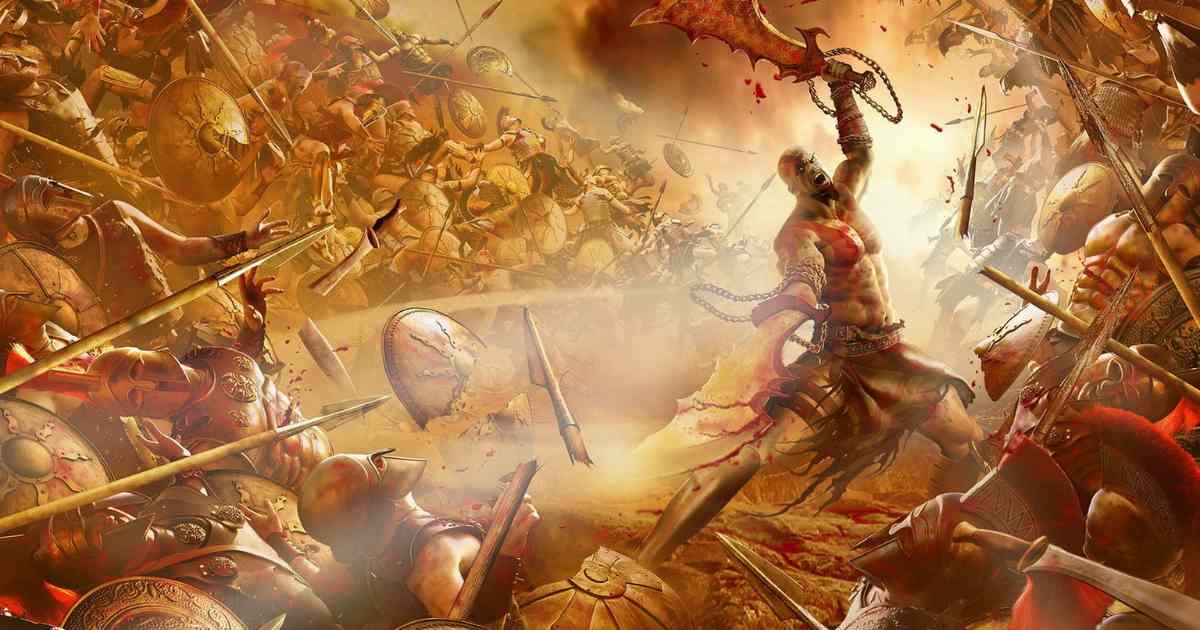
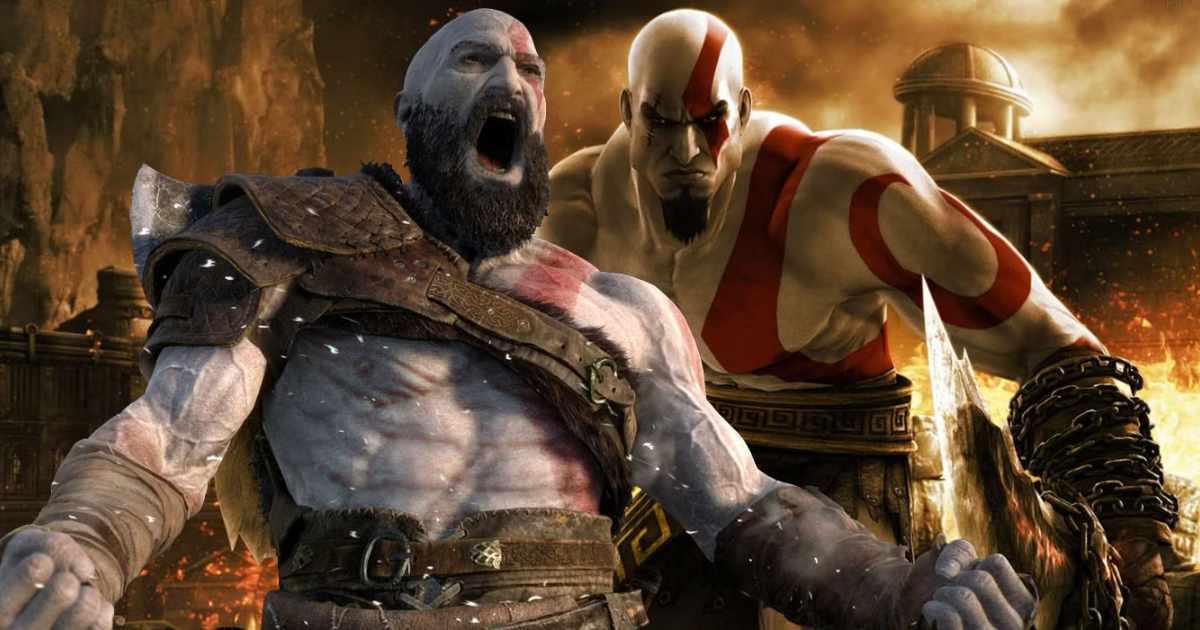
Kratos Then and Now: Greek Fury vs Norse Reflection
Kratos has never ceased to be a mirror of the surrounding world. He was an uncontrollable creature in the Greek saga, a personification of anger, whom even the gods could not restrain, and the Titans were crushed by him. Each blow, each jump, each scream was a story of fury, defeat, and suppression. He was absolute mayhem, a Spartan ghost fueled by revenge, and the first three games made us experience it physically and emotionally, through every combo and cutscene.
The Norse saga, however, depicted another scenario. Here was a Kratos bridled by years, moulded by experience and thought, and the silent responsibility. The fury was still there, repressed, bound, hidden beneath wisdom and restraint. It was no longer raw fire, but embers: smoldering, strategic, waiting for the right moment.
It is not only the exercise of nostalgia to revise the Greek trilogy now. It is something that reminds him of his origin. It is a chance to experience that rudeness, that wild anger, in a manner that modern design is capable of enhancing without distorting it. Players are not going to see the silent Kratos that they will in the subsequent games; they will face the Spartan warrior that invaded Olympus; his deeds have shaped the mythology of the franchise itself.
This development is beyond character development. It is a prism through which we learn the philosophy of design of the series. The combat, the scale, the spectacle, all of it was Greek Kratos: fierce, theatrical, unapologetic. The real challenge of the remake is translating that for modern audiences without losing its identity.
You can compare Greek and Norse Kratos to see how storytelling evolved with its era. One is raw spectacle; the other, quiet reflection. For a deeper look at Kratos’ journey in the Norse saga, check out God of War (2018) (explained here). The remake gives the players a chance to relish the backgrounds of such transformation without spoiling the story. It is anger in its most undarkened state, saved both to the beginner and the veteran playwright, a compromise between anger and wisdom.
Legacy of the Ghost: Before calm, there was a storm. Before reflection, there was fire. Some fury is too powerful to be forgotten.
Why This Matters Today: Nostalgia, Industry Impact, and Expectations
The Greek remake of the trilogy is not nostalgic. It’s a statement. And one remembers that there are stories, there are experiences that will defy time. To players who initially experienced Kratos on the PS2 or PS3, it is a temptation to revisit a realm of scale, spectacle, and rage with modern clarity. To the new players, it is an opportunity to see the birth of a character whose adventures transformed action gaming.
Sony’s timing is deliberate. The popularity of the Norse saga showed that Kratos is capable of developing. It showed that a franchise should be able to grow without losing its core. Coming back to the Greek saga now would enable the studio to celebrate the origins of the series and take advantage of modern hardware, technology, and design. It is a chance to mix recollection and creativity, nostalgia and novelty, anger and sophistication.
The remake is not only an indication of a larger trend in the industry, but also to its fans. Bringing back ancient IPs using new technology is not only lucrative, but it is a cultural thing. It forms the anticipations of narrating, game creation, and interaction. It reminds developers that spectacle isn’t forgotten, that pacing, scale, and emotional connection can coexist with the refined mechanics of modern games.
Players should be ready to have high expectations. The elements of visual fidelity, combat fluidity, and environmental detail should probably be improved, but the difficult part will be maintaining the identity of the trilogy. The contemporary audience loves convenience and more refined mechanics, yet they are also missing the intensity, the pandemonium, and the melodrama that characterized the ancient Greek saga. Having such a balance will make the difference between whether the remake is a tribute or a shadow of the past.
Finally, this project is important since it is intergenerational. It bridges the gap between the primitive power of the former and the civilization of the present. It shows that anger, which is well stored and reimagined, may still induce wonder. It is not merely a game, the Greek trilogy remake, but it is, in fact, a rebirth of myth, of memory, and of a tradition that will not die.
Legacy of the Ghost: Legends are not measured by time, but by the fire they leave behind. Some fury echoes forever.
Whispers of the Ghost
Q1: Is the remake just a visual upgrade?
A: Not at all. This is a full rebuild. Think of it as translating an old myth into a language that today’s hardware and audiences can fully understand. Characters, combat, environments, everything is being reconstructed to feel alive, not just prettier.
Q2: Will the combat feel like the Norse games?
A: Expect some modern fluidity, but the core philosophy of Greek Kratos remains. He’s fast, relentless, and theatrical. The over-the-shoulder perspective we love in the Norse saga may not fully replace the cinematic framing of the original trilogy, which made battles feel like myth in motion.
Q3: Do we need to play the old games first?
A: Not at all. The remake will stand on its own, preserving the intensity and spectacle for new players. But veterans will notice how carefully it respects the original pacing, scale, and fury.
Q4: Why is Sony remaking the trilogy now?
A: Timing is everything. After the success of the Norse saga and with modern hardware ready to handle it, Sony can give fans both nostalgia and innovation. It’s also a chance to set a standard for reviving legacy IPs: respect the past, elevate it for today.
Q5: What can fans realistically expect?
A: Stunning environments, rebuilt character models, smoother animations, and combat improvements, all while keeping Greek Kratos’ identity intact. The spectacle, chaos, and mythic scale will remain central.
Q6: Will this change how we remember the original trilogy?
A: Only in the best way. A remake is a bridge; it reconnects us to the fury we first felt while giving modern players a chance to experience it as if for the first time. The original remains legendary; the remake amplifies it.
Echoes of Olympus
The Greek saga remake is more than a game. It’s a revival of a legend. It’s a return to a world where fury carved the path of gods and titans alike, where every strike, every leap, and every roar mattered. Kratos was never just a character; he was a force, unrelenting and unforgiving, a Spartan spirit whose rage shaped the very fabric of Olympus. The original trilogy demanded awe, demanding attention not just with spectacle, but with its raw, unfiltered intensity.
To step back into this world today is to witness that power anew. The remake isn’t just about seeing the battles in higher resolution; it’s about feeling them. The environments will breathe, the arenas will expand, the combats will strike with renewed weight, and every clash will remind us why these games set the benchmark for epic storytelling in action gaming. It is an experience that transcends nostalgia, it’s living, mythic fury rendered with modern tools.
For those who grew up with the original trilogy, it’s a reconnection with the chaos that first made Kratos unforgettable. For newer players, it’s an initiation, a chance to witness why the Greek saga remains a defining chapter in gaming history. The remake promises to bridge generations, blending memory and innovation, fury and craft, past and present.
And beyond the spectacle, it is a reminder of the philosophy behind these games: that intensity and artistry are not mutually exclusive. The Greek saga thrived because it balanced visceral action with mythic storytelling. Rebuilding it today is a delicate dance, preserving the raw energy while enhancing it for modern audiences, showing that legends can grow stronger even as time passes.
This is why the remake matters. It’s a chance to relive, to feel, to understand. A reminder that some stories, some fury, some legends, cannot fade. They endure, waiting for the right moment to rise again, rebuilt, reimagined, and unforgettable.
“What is remembered is not the war, but the spirit that survived it.”