Not losing weight eating clean can feel frustrating. You follow all the rules, you skip junk food, choose grilled over fried, and track your meals, but the scale refuses to budge. Here’s why…
You wake up early.
You say no to sugar.
You skip the junk food.
You order the grilled option instead of fried.
You replace soda with water.
You tell yourself, “This time I’m serious.”
And for a while, it feels powerful.
You’re eating clean.
You’re trying.
You’re disciplined.
But then…
You step on the scale.
And nothing moves.
Not after a week.
Not after two.
Maybe it even goes up.
Now the doubts start whispering.
“Is my metabolism broken?”
“Maybe my body just doesn’t lose weight.”
“Am I doing something wrong?”
Here’s the part no one says clearly:
Eating clean is not the same thing as losing fat.
You can eat organic.
You can avoid processed food.
You can cook every meal at home.
And still not lose a single kilogram.
If you feel like you’re not losing weight even when eating clean, this isn’t about willpower.
It’s not about laziness.
It’s not about genetics.
It’s about understanding what actually drives fat loss.
And once you understand it, everything changes.

The ‘Healthy Food’ Illusion: Why Not Losing Weight Eating Clean Happens
This is where nearly everyone gets stuck.
You switched to brown rice. You take almonds where you would have taken chips. You pour olive oil in place of butter. You chew peanut butter; it is natural after all.
It feels responsible. It feels disciplined. It feels like progress.
However, this is the reality that no one ever takes time to think over: Your body does not think about whether the calories are found in clean food. It is responsive to energy balance only, the balancing of calories in and calories out.
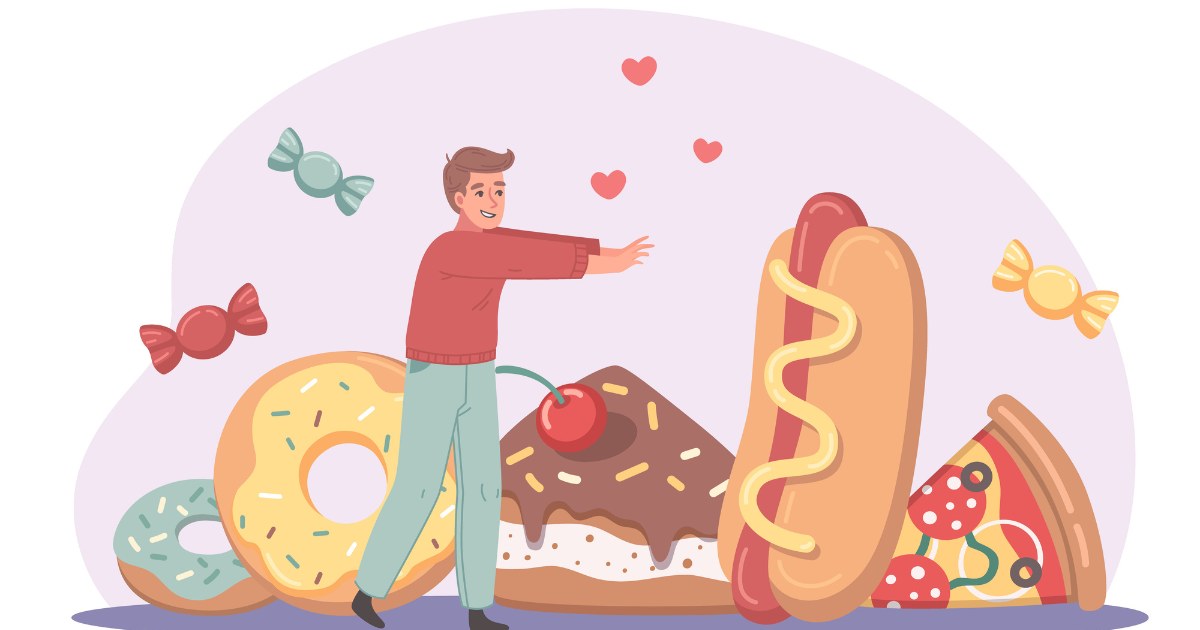
Healthy foods do not belong to the invisible. They have energy that they still carry that can be stored in your body. Olive oil is healthy for the heart, but a single tablespoon contains approximately 120 calories. Almonds contain high protein and fiber content, but a small portion can very easily surpass 150- 200 calories. Two casual spoons of peanut butter are rich in nutrients. That would be 250-300 calories, and you are not even noticing. Those little clean decisions silently add up, and before long, fat loss comes to a standstill. Even nutrient-dense foods can add more calories than you realize; the CDC explains how energy balance and portion awareness are key for managing weight effectively.
You didn’t eat junk. You didn’t binge. You didn’t “cheat.” You just absorbed a little bit more energy than what was used up by your body. And that’s all it takes. Fat loss quietly paused. No dramatic betrayal. No unfair genetics. No ill-fated metabolic curse.
This is the other trap of psychology. Whenever food is termed as healthy, your mind will give itself the right to eat more. “It’s just a handful of almonds.” I will put an additional scoop of peanut butter, it is protein! I am not eating any junk today, so dessert will not matter. Such small and innocent-sounding choices sabotage progress silently.
The real kicker is this: you can gain fat even eating the most nutritious foods, and only lose it by eating what others call unhealthy, assuming your total energy balance favors fat burning. It is quality, which is energy, hormones, and the way you feel, but it is the quantity that pushes the results. Always.
The Scale Was Never the Enemy: It was never betraying you. It was only reflecting your habits, your choices, and the strategy you hadn’t seen yet. Understanding this melts away confusion. You stop blaming yourself, stop chasing perfection, and start taking control. Fat loss isn’t about eating perfectly; it’s about eating smartly with awareness.
Portion Sizes Are Lying to You
It starts on your plate.
The salad is enormous; however, the croutons, the dressing, and the drizzle of olive oil suddenly become more than you imagine. Chicken breast sounds good, until the time when you are filled up. Even so-called healthy snacks, counted by hand or by a scoop of a scoop, creep silently on the scale.
The size of portions is misleading since our eyes are not shown to be the best judges. We have been conditioned to eat until we think the plate is clean, until we think the meal is normal. However, it is not the pieces of food that count in our bodies but the energy. And energy, in the form of calories, does not care about the source, whether it comes from an exquisitely cooked lunch or a snack eaten on the go.
This is why fat loss can come to a standstill even when eating clean. You’re eating all the right things: whole grains, lean proteins, and vegetables; however, you are eating slightly more than what your daily energy expenditure can sustain. That extra bite, that extra drizzle, that tiny handful may not seem like much now, but over days and weeks, it quietly adds up.
It is not perfection but awareness that is the solution. Planning your meals with simple meal prep tips helps you control portions, reduce hidden calories, and stay on track without stress. Get to know the amount your body requires, not what your eyes demand. Measure once. Monitor the response of your body. Adjust gradually. Learn that feeling full does not always depend on the plate in front of you.
The Scale Was Never the Enemy: It wasn’t punishing you for enjoying food. It was simply revealing a mismatch between what you ate and what your body needed. Once you see it, you gain clarity. You gain control. And suddenly, fat loss becomes less about restriction and more about intelligent, mindful eating.
Liquid Calories and Sneaky Additions
You believe that you are doing the right thing. You have measured out your portions. You have taken the healthiest foods. You feel disciplined.
Then comes the cup of coffee. The fruit shake you took when you were rushing to work. And the salad, with a creamy dressing, which you measured so little of. The protein shake after your workout may contain additives you never even considered.
These are the quiet culprits. They do not sit on your plate to criticize you. They become part of your life, are innocent, and are decadent. And yet they have calories that count in your body. Calories that you had not counted on.
Even a latte with whipped cream could contain 200-300 calories before you can even drink it. 400-500 calories can be added in one glass of a smoothie full of fruit, nut butter, and protein powder. The drizzle of the dressing or oil, or the splash of the juice, or the shot of the flavoured syrup, one, two, three, or four, all add their quiet invisible little ways.
It is not the fact that these calories are present. It’s that they feel invisible. You will be able to feel in control as your body accumulates the unnecessary without making a noise. When you consume these little treats over the course of weeks, fat loss can literally stall, even on days when everything else is perfect.
Awareness is everything. Stop and think before you pour, scoop, or sip. Ask yourself: Does my body really require it, or am I only aiding a habit or a taste? Monitor, follow, and observe trends. This is not about taking out the happiness in your life; it is about regaining your control of the outcomes.
The Scale Was Never the Enemy: It wasn’t punishing you for enjoying a coffee or a smoothie. It was only reflecting the hidden energy you hadn’t accounted for. Once you recognize it, you regain control, and what once seemed invisible becomes your greatest ally in fat loss.
Weekend Overeating: The Subtle Sabotage
You survived the workweek. You were counting your food, lifting your weights, walking, and eating clean. You felt proud.
Then comes the weekend.
A night out with friends. A movie with popcorn. A brunch, syrup, and pancakes. You say to yourself, I have deserved this. And perhaps you have, in a way that feels psychologically, socially, and emotionally justified. But physiologically, that extra indulgence can undo days of effort.
It’s not about one meal. It’s about patterns. One meal turns into one day. One day becomes two. And now, something that seemed to be such a small, innocent snack has undermined your weekly progress in a very subtle way.
It is because of the following reason: the body does not differentiate between calories earned and calories cheated. It simply stores what your body does not burn. Just two days of a few hundred extra calories can stall fat loss, even across the other five days.
The solution isn’t guilt. It isn’t a restriction. It’s awareness. Plan for indulgence. Enjoy it. But account for it. Take a small step, have a balanced motion, and go back to your strategy the following day without a blush.
The Scale Was Never the Enemy: It didn’t judge your pancakes or pizza. It simply reflected the energy you consumed versus the energy you burned. Once you see it this way, indulgence becomes a conscious choice, not a hidden trap. You regain control, and your weekends become part of the strategy, not the sabotage.
Low Daily Movement (NEAT Matters)
You hit the gym. You lift, squat, run, and sweat. You feel proud. You think you’ve done enough.
But then you sit. At your desk. On the couch. In traffic. And for the rest of the day, you barely move.
This is the point where most people stall without even realizing it. That is known as NEAT, Non-Exercise Activity Thermogenesis. Anything your body has to do without regular training activities is taken into account: walking, standing, squirming, and even routine activities. These minute motions are calorie burners.
An intensive workout could burn 400- 500 calories. However, that could be counteracted quite easily by sitting several hours later. Add two extra hours of light movement, climbing stairs, walking during phone calls, staying on your feet, and suddenly NEAT can burn hundreds of additional calories. These small daily movements are often the difference between stalled progress and consistent fat loss.
It’s easy to underestimate. Gym culture teaches that heavier weights mean bigger results, and that intensity is everything. But fat loss is not built only in the gym. It is built into everything you do outside of it. The steps you take every day, your standing breaks, your micro moments of action, they all build your energy balance silently.
An enlightenment transforms all these. Track your steps. Stand more often. Walk during calls. Take the stairs. Move consciously. NEAT is not punishment; it is freedom. It is a tool that is unexploited, which can streamline the fat loss process and make it regular and sustainable.
The Scale Was Never the Enemy: It didn’t punish you for sitting too long. It simply reflected the energy you burned, and didn’t burn, throughout the day. Recognize NEAT, embrace it, and suddenly, the invisible work outside the gym becomes your most powerful ally.
Stress, Sleep, and Hormonal Misfires
You eat clean. You train hard. You track your progress.
But the scale refuses to move. You start blaming yourself. Perhaps your metabolism is dysfunctional, perhaps your genes are just not fair.
But the truth lives beneath the surface, and it is your hormones.
Stress spikes cortisol. Cortisol is a chemical that instructs your body to store fat, particularly on the belly. Lack of sleep interferes with the hormones leptin and ghrelin, which regulate hunger and fullness, leaving you hungry and wanting to eat foods that will sabotage your clean eating. Even when you are disciplined in the kitchen, insulin misfires may help to make fat storage more efficient.
These are not excuses. They are signals. Your body is not trying to sabotage you; it is trying to survive. Stress, lack of sleep, unpredictable schedules, they all whisper the same thing: conserve energy. We do not know when the next meal is coming. And fat loss stalls.
Awareness is power. Prioritize sleep. Manage stress. Take walks. Meditate. Even tiny changes can reorganize your hormones in less time than a week of dieting could ever reorganize them. Hard training is important, but rest and balance are more important.
The Scale Was Never the Enemy: It wasn’t judging you for stress or a sleepless night. It was merely reflecting how your body responded to the hidden pressures of life. Recognize the signals, respect your biology, and you regain control. Fat loss becomes less about restriction and more about intelligent, compassionate strategy.
The Psychological Trap of “Clean Eating”
You eat clean. You say to yourself, “I am doing all the right things.” You are righteous, chaste, and a proud man.
However, this is a silent trap that clean eating allows one to overeat.
When a meal has been described as healthy, your brain takes itself off. “It’s just a handful of almonds.” I’ll pour in another scoop of peanut butter; it is protein. I am on a clean eating week, and therefore, dessert will not be an issue. Such small justifications are innocent in the short term, yet it takes days and weeks of time before they can undermine progress.
This isn’t a weakness. It’s psychology. The brain desires reward, regularity, and comfort. Healthy foods are seen as a loophole in order to indulge in cravings. The result? Calories are sneaking into the body without much notice, and the fat is not being lost.
Awareness is everything. Learning to build mindful eating habits helps you recognize those mental shortcuts before they turn into automatic overeating. Track your intake. Think before you snack. Healthy does not mean unlimited. Eat thoughtfully, not instinctively.
The Scale Was Never the Enemy: It wasn’t punishing your mind’s clever tricks. It was reflecting the energy balance hidden behind those well-intentioned choices. Once you understand the psychological patterns, you stop feeling trapped. You regain control. And fat loss becomes not just about food, it becomes about strategy, awareness, and mindset.
Small Strategy Tweaks, Big Results
At this point, you have already viewed the undercover barriers: healthy, non-low-calorie foods, misleading meal portions, liquid calories, weekends off, lack of exercise, daily work, stress, sleep deprivation, and psychological exceptions.
It can feel overwhelming. You may imagine that I must do everything at once. But here’s the truth: you don’t.
We are not losing the fats to be perfect. It is concerning minor, consistent adjustments of strategies that add up. Monitor your portions, calibrate the calories hidden, focus on NEAT, sleep better, stress less, and see your attitude toward food change. Any change in the contemporary world can have ripple effects that can be felt even after weeks of struggling.
Both should be aware but not punished. Measure, observe, and refine once. Be sustainable in making micro-changes. Perfection has a greater number of steps than a single intensive session of perfection.
Clarity, consistency, and knowledge of what your body tells you are the power. Quit accusing the scale or the clean food. Start trusting the process. Minor innovations are far better than gigantic, disorganized ones.
The Scale Was Never the Enemy: It wasn’t standing in your way. It was showing the result of small misalignments. Adjust your strategy, respect your biology, and suddenly the path forward isn’t confusing, it’s obvious, actionable, and empowering.
FitPlay Q/A: Understanding Why Clean Eating Alone Doesn’t Guarantee Weight Loss
Q1: I eat perfectly clean but still don’t lose weight. Am I doing something wrong?
A: No. You’re not failing. Eating clean is about quality, not quantity. Fat loss depends on total energy balance, daily movement, sleep, stress, and portion awareness. You’re not broken; your strategy just needs adjustment.
Q2: How can I track my calories without obsessing?
A: Start simple. Track one week without judgment. Measure portions, note drinks, and include hidden calories like sauces or coffee creamers. Awareness, not perfection, is your first victory. Once you see patterns, small tweaks become natural.
Q3: Are weekends really that damaging?
A: One meal or one day rarely ruins progress. But multiple indulgences without awareness can quietly stall fat loss. The key is balance, planning, and returning to your strategy without guilt. Enjoy life consciously, not unconsciously.
Q4: Does stress really make me gain weight even if I eat clean?
A: Yes. Chronic stress elevates cortisol, influencing fat storage, hunger, and cravings. Paired with poor sleep, it can make fat loss feel impossible. Managing stress, improving sleep, and small recovery habits often have bigger effects than extra workouts.
Q5: How do I deal with the psychological trap of clean eating?
A: Recognize when “healthy” becomes a loophole. Mindful eating is your tool: pause before snacking, honor hunger cues, and separate health from unlimited permission. Enjoy your food intentionally, not automatically.
Q6: What’s the most powerful thing I can do today to see results?
A: Awareness first. Observe patterns, track hidden calories, optimize movement, sleep well, and manage stress. Then implement small, consistent strategy tweaks. Compound changes always beat perfection.
Before You Close This Chapter
You’ve tracked, measured, adjusted, and reflected. You’ve seen how healthy food, portion sizes, liquid calories, weekend indulgences, low movement, stress, and mindset all quietly influence fat loss.
It can feel like a lot, but here’s the truth: it’s not about perfection. It’s about awareness, strategy, and small, consistent actions. The scale was never your enemy. Your body isn’t broken. You were simply navigating a path that required insight.
Now, you have that insight. You know what to watch, what to tweak, and what to honor. You can enjoy food without guilt, move your body without overthinking, and approach each choice with clarity. Every habit, every decision, every step adds up. Fat loss is no longer a mystery; it’s a strategy you hold in your hands.
You’ve learned that control is not in restriction, but in understanding. And when you step away from this page, that knowledge follows you, quietly shaping your next meal, your next walk, your next choice, until results aren’t just visible, they’re inevitable.
“The scale was never your enemy. Your habits, awareness, and choices always were, and always will be your power.”