Before the world asks anything of you, there is a moment.
A wide horizon stretches out in front of your character.
No markers screaming for attention.
No timer ticking in the corner of the screen.
Just wind moving through digital grass.
Footsteps echoing softly on an empty road.
A sky that does not rush you.
At that moment, the game is not demanding skill, speed, or victory.
It is asking something far quieter.
To pause.
To look.
To exist.
Open-world games often get praised for their size, their freedom, and their endless maps. But what they quietly offer, almost shyly, is something far more rare in modern life: permission to slow down without consequence.
Many gaming experts note that these design choices intentionally reward players for pausing, exploring, and observing the world in detail. (MimicGaming)
No notifications.
No productivity guilt.
No pressure to optimize every second.
You can walk instead of running.
Watch instead of act.
Stay longer than necessary.
And somewhere between wandering aimlessly and choosing to do nothing at all, these worlds begin to teach us a lesson we didn’t know we needed, one about patience, presence, and the beauty of moving at your own pace.
This is not about completing objectives.
This is about what happens when you stop chasing them.
Open Worlds Reward Presence, Not Speed
Speed seems powerful in most games.
Run faster.
Finish quicker.
Move on.
Open-world games offer a quiet defiance of that instinct. For a curated list of the best open-world games that evolve gaming, check out these immersive titles.
They do not punish you for pausing.
They do not fail you for choosing a different direction.
When you want to do nothing, they do not hurry you back into action.
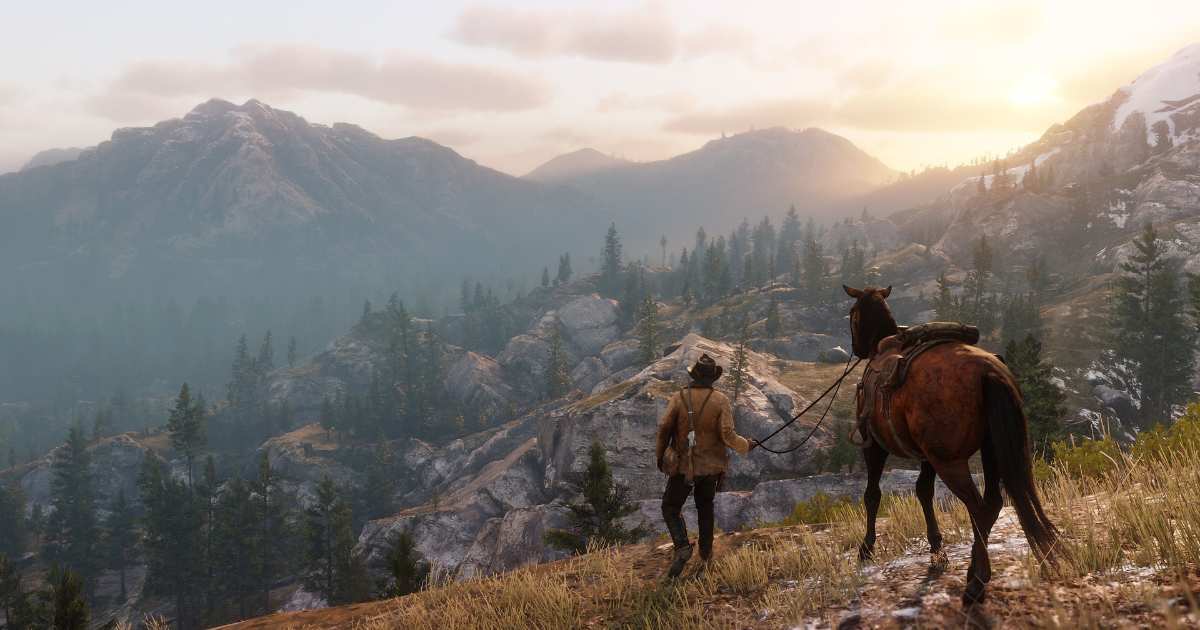
You may stop on a hill and see the sunset behind the mountains in the distance.
You can wander through a village with no quest guiding you, hearing footsteps and distant sounds that seem to exist whether you are there or not.
Nothing breaks. Nothing ends. Nothing scolds you for wasting time.
And that is the lesson.
Presence is more rewarded in open-world games than progress. The scenes that we remember are those that are not necessarily associated with missions that are achieved or tasks that are fulfilled. They hover there. We were quiet, conscious, listening, and not in a hurry.
When you slow down, the world begins to reveal itself in layers:
- Small animations you would miss while sprinting.
- Environmental details are placed not for efficiency, but for atmosphere.
- Music that fades in gently, not to excite, but to accompany.
These things are not announced in these games.
They have faith in the player to observe.
In the real world, one would feel irresponsible for slowing down. It is time to hurry. There is always another task, another goal, another reason. Open-world games ease that strain and reveal a quieter truth. Meaning doesn’t disappear when you slow down; it comes into focus.
It is not falling behind to choose not to run.
It is finally arriving.
The Wanderer’s Tip: The next time you play an open-world game, resist the urge to sprint. Walk with no destination for a few minutes. Let the sounds, the scale, and the silence reach you. You may find the world feels less like a map to finish and more like a place to exist.
The Power of Silence and Empty Spaces
Generally, open-world games are hailed for their sprawling nature, with endless quests and action everywhere. Yet, it is the quietness, the nearly empty spaces, that make the strongest impressions on them.
Just consider walking in an empty field at dawn with the first light falling on the wet grass.
No enemies rush at you.
There are no objectives that they require.
Nothing but the soothing voice of the wind and the beat of your feet.
Or climbing a cliff that is blown by the wind and peering over a valley where everything is still.
There is a little deserted village just waiting, with no one on the street and all doors open.
The game does not judge you as you linger.
It enables you to just live in its world.
These spaces of silence are not vacant, but rather full in the sense that action can hardly ever be. They allow your mind the space to roam, to observe what people normally do not see: the delicate movement of leaves waving, the voices of birds heard in the distance, the light of the sun on water, and the shadows growing longer and longer as the day goes by.
It is patience that is developed in open-world games, particularly in these silent areas. They reward observation over speed, curiosity over efficiency. They remind us that the world, real or virtual, does not always demand something from us, and in that realization, we discover our own purpose.
Silence can feel awkward in life. It makes us think, challenges our minds, and invites stillness, something we are not often accustomed to. Games provide a gentler, tamed version of that. They invite us in, showing that nothing is truly empty, but alive and breathing.
Emotional memory is also developed by these spaces. Often, we remember more vividly how it felt to stroll along a deserted mountain pass or sit beside a fallen river than any quest we completed. Emptiness is a surface on which we can project our own thoughts, our imagination, our presence.
The Wanderer’s Tip: Next time you play, intentionally seek out a quiet corner of the world. Pause. Listen. Notice details you would usually rush past. In those empty spaces, the game is teaching you something subtle: the value of presence, observation, and patience, the art of slowing down.
Small Details Speak Loudly
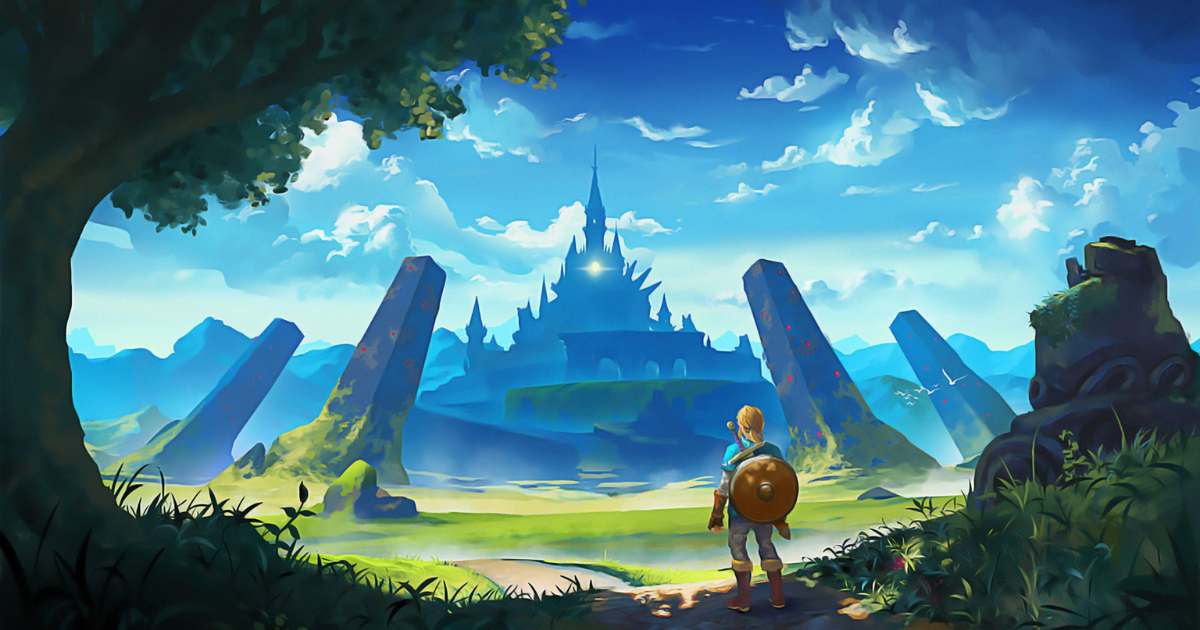
The world of open-world games is expansive, and sometimes the smallest aspects can make it come to life. A waving curtain in some far window. Footprints dying in the mud. Blinking campfire in the forest.
These are not elements that are present by chance. These are hints, small clues, treasured by the patient gamer, those willing to slow down and truly look.
Most of these facts become background noise when you are running through a map at top speed. But as you walk, tarry, or even stand still, the world reveals itself to you. There may be a secret trail leading to an amazing picture. A little hut may speak volumes without saying anything. Seeing a silent animal cross a field can remind you that there is more to life than goals and markers. For more examples of games with rich, subtle mechanics and hidden secrets that reward exploration, check out our list of Top 10 Hidden Features in GTA 6.
Games make us learn that curiosity is a reward in itself. You do not need to make it to the next quest marker to feel even achieved. There are moments when you simply want to pause and notice the ordinary: the worn plank of a bridge, a rusting cart wheel, the shadow of a cloud drifting over the mountains, more satisfying than any mission’s triumph.
This detailing is reflective of life. The more we are there, the more we see: the little kindness of a stranger, the light of the sun on a leaf, the low tone of a song in the background. The world is alive and tells those who want to listen to it, this is what open-world games teach us.
The Wanderer’s Tip: The next time you explore, let your eyes wander. Look at what’s not immediately important. Notice textures, sounds, and tiny movements. In open-world games, as in life, curiosity turns ordinary spaces into experiences that linger in memory.
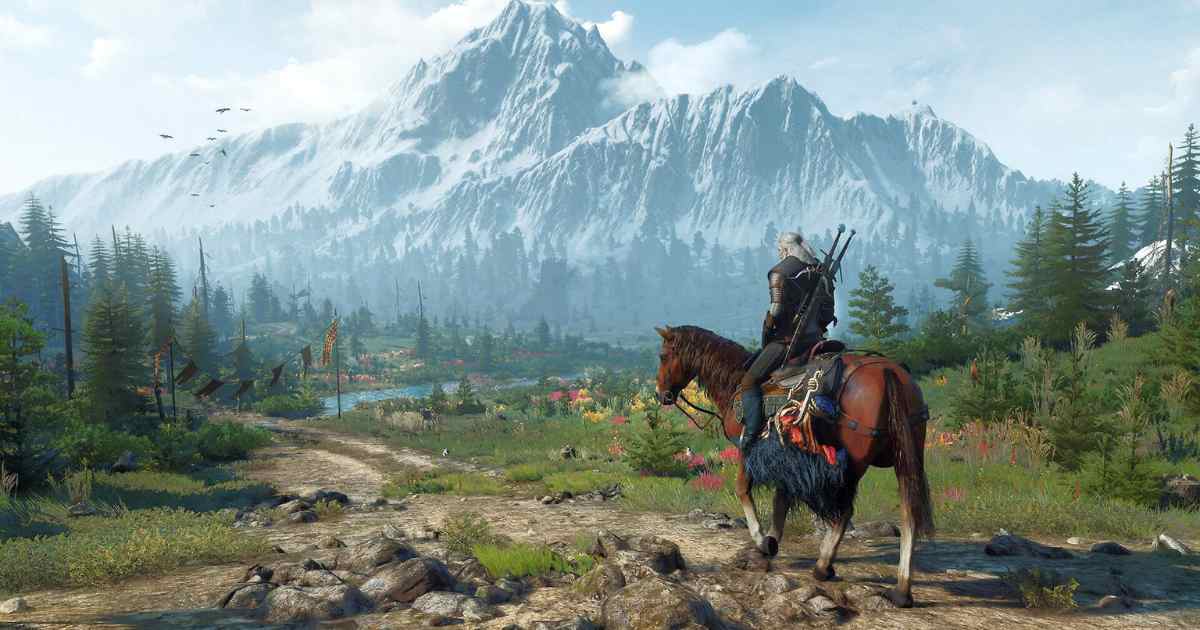
Choice Creates Connection
The world in open-world games can be vast and magnificent, but it is your decisions that make it feel intimate.
Shall I take the road, which is often trodden? Or the woody way?
Will you help a vagrant in the village, or walk on without noticing?
Do you hang out by the river and see the sunset, or is it to take the next quest sign?
Any decision, even the silent, apparently unimportant ones, is made. The game remembers. You remember. And in that memory, the world is yours, not merely as a background, but as a companion, a reflection, a place that reflects your values and interests.
Open-world games allow the player to be free, yet freedom comes at a price. Every choice to take or not to take reverberates through delicate means: an improved world, a thankful NPC, a chance event. The story is not within the written happenings, but in the life you make in it.
That is why certain games are still in our minds even after closing the screen. They were not only games we would play, but worlds we inhabited. And we bore some of them away with us since we made them to be our own by choice, observation, and attention.
It is a lesson that it is not the pace or quantity of our interactions with the world, whether digitized or in the real world, that matters, but rather how we are consciously and thoughtfully present. Any decision, however minor, brings about meaning.
The Wanderer’s Tip: Next time you play, notice the choices you make, especially the quiet ones. Take a moment to linger, explore a path you wouldn’t normally take, or interact with something seemingly minor. These choices create memories that make the world feel alive and make your journey uniquely yours.
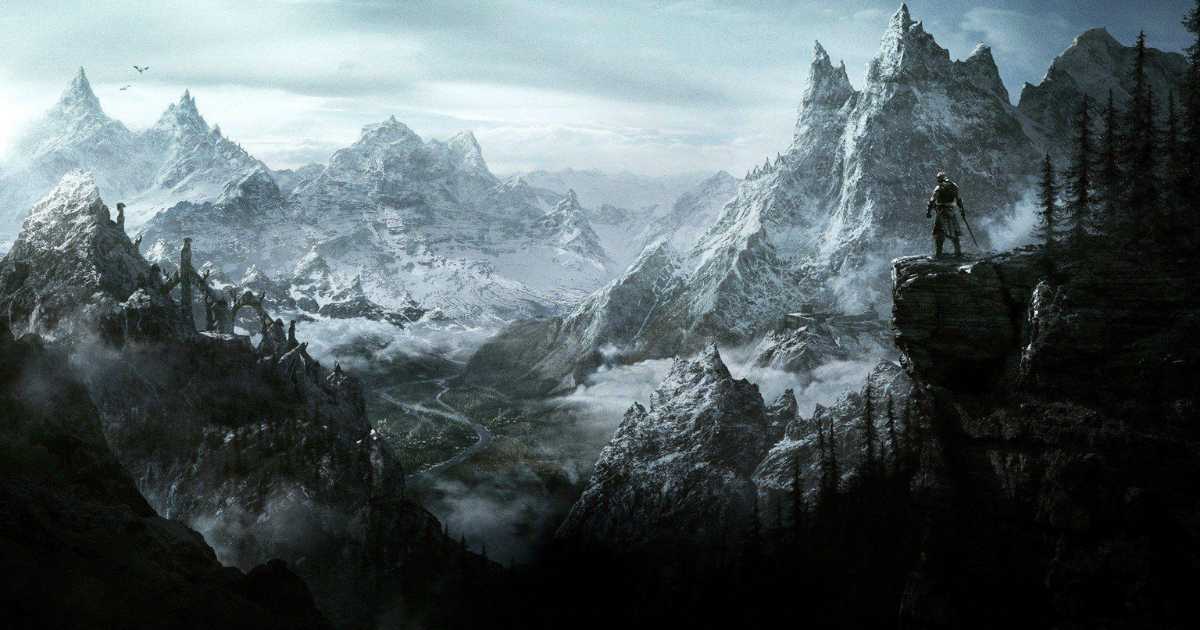
Patience Unlocks Hidden Rewards
In open-world games, things are not simply given to you. Some treasures are off the beaten track and are hidden in the twists and turns, secrets that are right before your eyes, and there are other tales that you may learn after giving the bush a good search.
Patience is a silent art that you have to practice unconsciously. As you roll around in a forest or learn the land or observe the world changing with the day, the game will insidiously reward your carefulness. And there may be a hidden grove that reveals a rare animal. A distant cave might hold a fragment of lore, adding depth to the entire story. Fulfillment does not come from ticking off a quest, but from discovering something that feels truly earned.
This is a gradual finding that finds deep reflections on life. In the process of rushing, we tend to overlook details, connections, and moments that silently build our understanding. Similarly, playing a game too fast may take away the wonder of the world. However, by decelerating, we start to see the minor, significant things, the light that falls upon a cliff face, the waves on a beach, the rustle of an unseen creature.
Open-world games also teach us that time and attention are included in the reward. The less we put into merely looking and interacting with the world, the more we get out of it. It is a gentle lesson: to progress, moving slowly is not losing, it is the path to profundity.
The Wanderer’s Tip: The next time you explore an open-world game, resist the urge to rush. Take time to observe, linger, and uncover the hidden layers of the world. Patience will reveal rewards that speed cannot reach, moments that stay with you long after the game ends.
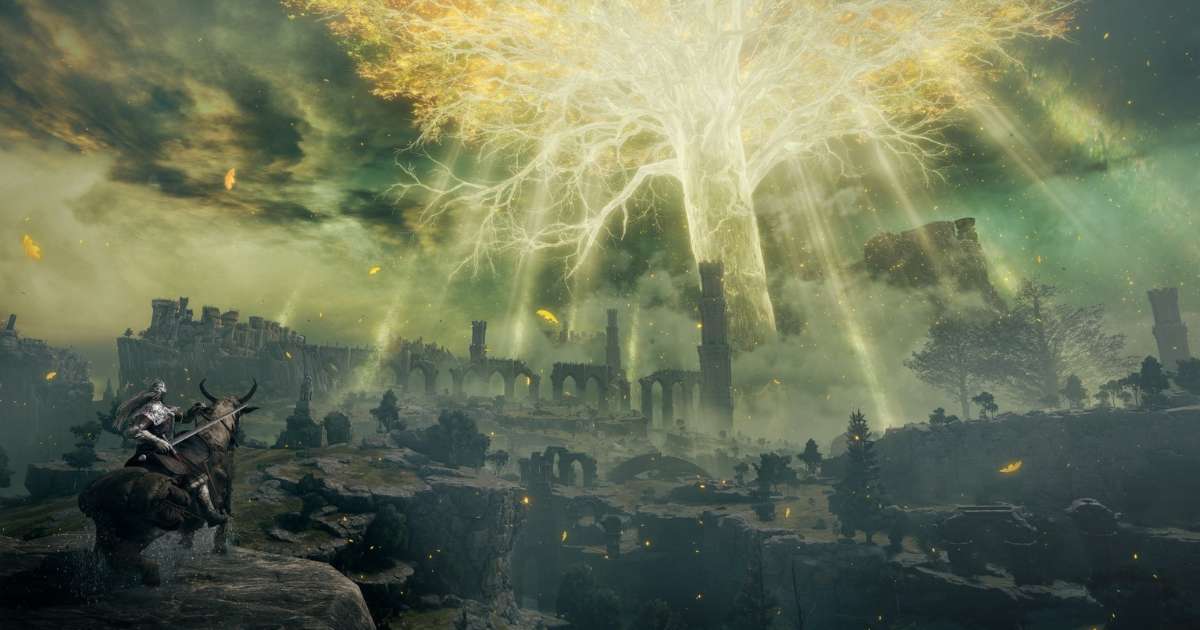
The Worlds That Stay With Us
Not all open-world games are played, but are experienced.
Even when the log is gone, the memory remains. The remote village you strolled through. The breeze that drifts across the hills. The choices you made, and the small discoveries you stumbled upon, things that seemed insignificant at the time.
These are the times that remain as they were yours. They did not run by time, by marks, or by success; they were created by you, by your looks, by your interest, by your speed. The emotional appeal is due to the liberty to get involved with everything, even the least significant aspects of the world.
The memories of open-world games are usually more of an experience than a form of entertainment. They preach that it is not about great battles or spectacular moments, but it’s all about paying attention, seeing, making decisions, and waiting. And the more the world was quiet, the more the impression it produced.
The feeling of calm, wonder, or reflection may continue even after the controller has been put down. It is that feeling, that lingering feeling, subtle yet undeniable, that is why certain games stay in our minds not as things that have been accomplished, but rather as actual experiences lived.
The Wanderer’s Tip: After playing, take a few minutes to reflect on what caught your attention. Which quiet moments, hidden details, or small choices resonated with you? The impact of a game often lasts longer than the session itself; these memories are the true reward.
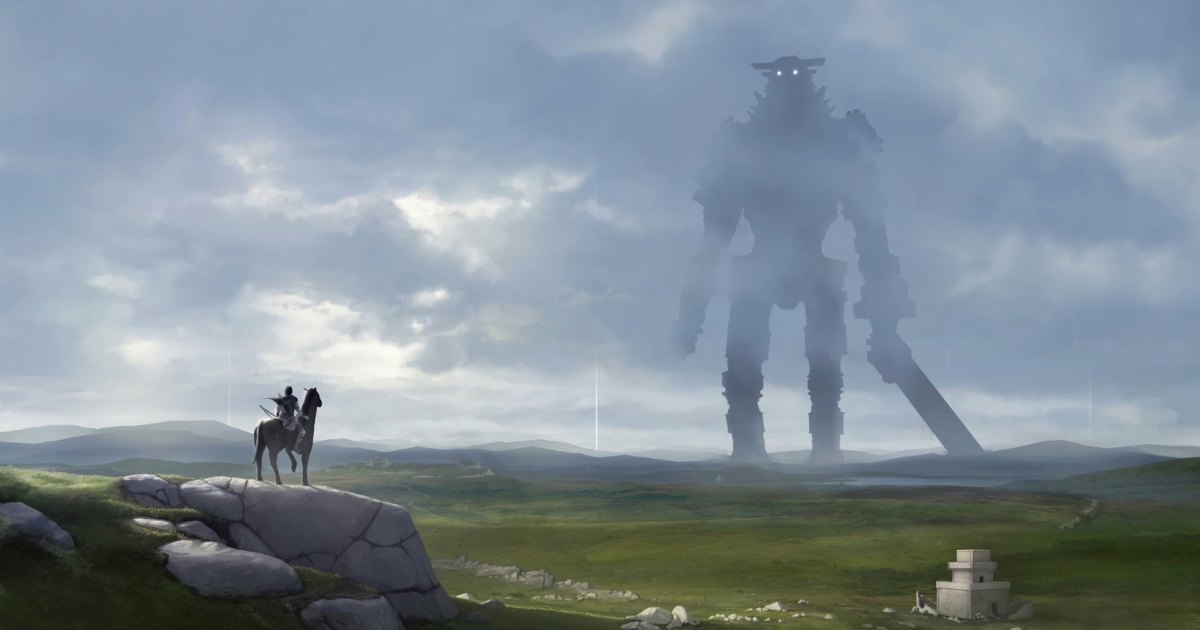
Open Worlds Reflect Life
Open-world games are not mere maps, missions, and systems. They are mirrors.
As you look around, you notice the world around you. When you take your time strolling through a virtual forest, stopping to watch the sunshine through the trees, you are doing something truly real. You explore values, curiosity, and empathy, whether slipping through a back door or helping a village in need. You are learning to be patient and present when you spend time in silence.
Such games make us remember that life, like these worlds, does not consist of getting from point A to point B. It is the journey itself, the small decisions, the moments we choose to be silent observers, the moments we simply are.
It is the beauty of open-world games that they are able to translate these lessons implicitly. You do not need to complete all of the missions, battle all of the monsters, or explore all of the locations to get satisfaction. It is the satisfaction of being an active participant in the world in which you live, being present in situations that would not appear to be significant, but that are full of meaning.
The Wanderer’s Tip: Treat your next in-game journey like a life lesson. Pause, explore, and observe. Notice the small details, the quiet moments, and the choices you make. These worlds are teaching more than gameplay; they are teaching you how to engage with life itself.
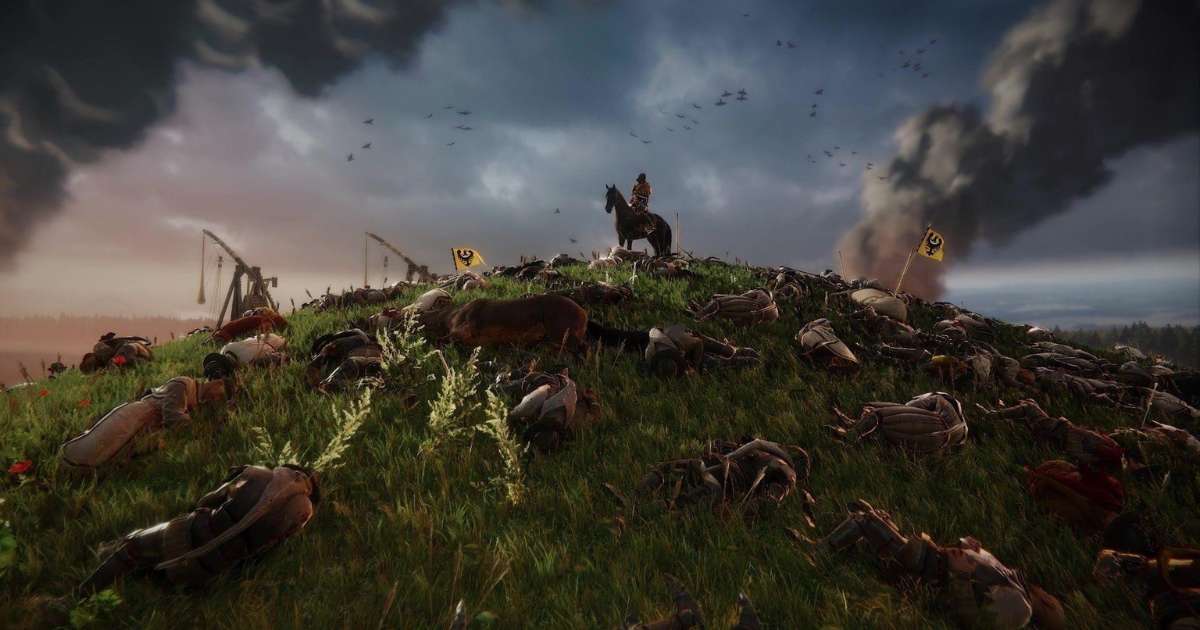
Q/A: Reflections from the Wanderer
Q1: Why do I feel more relaxed in an open-world game than in other types of games?
A: Open-world games give you space, physical, mental, and emotional. There’s no constant pressure to complete objectives or react instantly. The freedom to explore, linger, and observe allows your mind to slow down, much like taking a quiet walk in nature. The world itself becomes a meditation, not a challenge.
Q2: I often rush through the game. Am I missing something?
A: Yes, and no. You’re still experiencing the world, but the depth comes from slowing down. Hidden details, subtle stories, and emotional resonance reveal themselves to the patient player. Walking instead of running, pausing instead of pressing onward, allows the game to communicate in whispers rather than shouts.
Q3: How can games teach life lessons without being preachy?
A: By letting you live in the moment. Games don’t need to lecture; they provide choices, silence, and small interactions that mirror real life. When you notice, reflect, and engage, the lesson emerges naturally, with patience, curiosity, and presence, without anyone telling you what to feel.
Q4: Are these moments of stillness really important to the game?
A: Absolutely. They are the heartbeat of the world. The quiet moments allow emotional memory to form, make exploration meaningful, and make your choices resonate. Without them, the game would just be a series of tasks. With them, it becomes a space you inhabit and remember.
Q5: Can slowing down in a game actually change how I play life?
A: Yes. The same skills you practice in-game, patience, observation, mindful choices, and noticing small details, can translate into real life. The game trains your awareness, helping you see beauty, subtlety, and meaning where you might usually rush past.
Conclusion: The Journey Beyond the Map
You set down your controller, but the world doesn’t leave you.
The sun still lingers over distant mountains in your mind.
The quiet village, the abandoned paths, the choices you made, they all remain, stitched into memory like faint brushstrokes on a canvas.
Open-world games are more than places to explore; they are invitations. Invitations to slow down, to notice, to reflect. They teach patience not through instruction, but through experience. They reward curiosity, not speed; presence, not efficiency; and moments, not milestones.
The beauty of these worlds is that they mirror life itself. The way you wander, pause, observe, and choose within the game reflects the way you move through the real world. And in those quiet, reflective moments, you realize that slowing down does not mean missing out; it means arriving.
These are the lessons that linger, long after the map is closed, long after the screen goes dark. The game ends, but the feeling stays: subtle, alive, and quietly powerful.
“Some worlds aren’t meant to be rushed; they are meant to be felt. Walk slowly, notice everything, and let the journey become your own.”