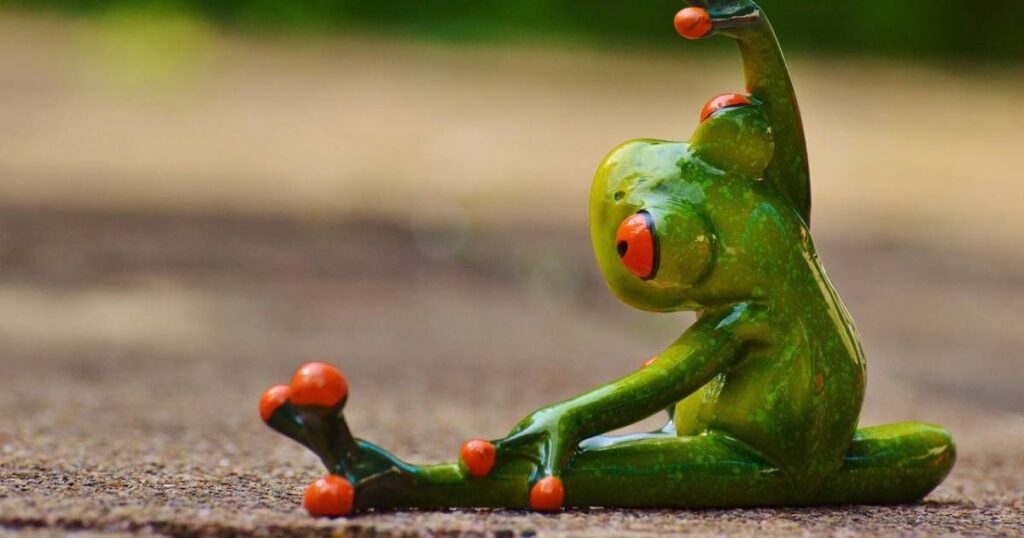
The fitness industry is changing in 2025 in a world where No Days Off and Grind-Till-You-Make-It-Happens is a motto: it is not about going to extremes but preserving a long life.
It is only now that people are realizing that real growth does not come when one is sweating but when the person is resting, refueling, and recovering. New fitness elite do not necessarily train the most; they train the smartest.
Recovery Over Hustle is not just a trend of the current year. It is a trend that is transforming how sportsmen, gym goers, and common fitness fans perceive progress.
It is not about the decrease in speed, but rather about maintaining the strength.
And if you want to stay disciplined to be the one you’ve dreamed of, and not just rely on daily motivational talks and videos, you can check our work here.
The Rise of Recovery in 2025
2025 isn’t the year of “go harder.” It’s the year to train smarter.
Slogans of hustle, push through pain, no excuses, grind every day, and so on, flooded the fitness content over the years. The discussion is changing, however.
There are more that are seeking balance, sustainability, and smarter ways to do things, which do not ruin their bodies, but rather suit their bodies. The recent Google Fitness Trends indicate that such keywords as active recovery, rest day workout, and sleep for muscle recovery have experienced an enormous search volume in the world in the current year.
Why? Fitness lovers are now becoming aware of the reality
Recovery is not a pause of progress: it is part of it. This new movement is based on healing and not mere hustling. Cold plunges, mobility classes, mindfulness, better sleep monitoring, and so forth, recovery is the latest performance aid.
Even professional athletes have participated in the shift. They are setting up their plans weekly that include recovery days as workouts in themselves.
The attitude is shifting; it is no longer the question of how many times you train this week anymore, it is how you recover from the training you have done.
The Reason Why The Hustle Culture Was Damaging Progress
Long since fitness was under the hustle culture. We were surrounded by the 5 AM workouts, the no-rest-day posts, and the endless grind of caffeine-fueled gyms. It seemed inspirational; however, deep down, it was holding people back.
Without rest, your body can’t grow; it only wears down.
Your body muscles remain swollen, your sleep becomes abnormal, and your motivation begins to decrease. The more you pursue, the less you actually achieve.
Research in 2025 is confirming what most sportspeople were already aware of: excessive training results in hormonal disturbances, persistent fatigue, and reduced gains in strength. The body will not react because you are weak, the body will not react because it is overwhelmed.
And it’s not just physical. The psychological burden of having to work hard all the time, feeling guilty about missing a workout, and being stressed because of seeing how others are progressing is also incredibly harmful.
What once inspired people to move now makes them fear it. This is not why the recovery over hustle mentality is not laziness. It is a reversal of stupid training, which is training your body by punishing it. Since strength is not measured by the amount of pushing one does, but by the ability to recover.
How Rest Boosts Results
The fact that most people overlook is here:
Muscles do not develop during training, but rather during rest. Each rep that you do places small tears in your muscles. When you rest, your body mends those tears, making the fibers stronger, thicker, and stronger. That is literally the process of developing strength: not by working continuously, but by clever rest periods.
Missing a break does not make you hard. It just prolongs your development.
When you don’t recover properly, your body can’t refill its energy stores (glycogen), hormones fall out of balance, and fatigue builds up, turning your next workout into another grind instead of a growth session.
The best fitness programs and trainers of 2025 are planning their accomplishments based on the adaptive recovery windows. It consists of the balance of intensity, sleep, and nutrition to fit the rate of body healing.
Even getting sleep all by oneself is a huge game-changer. Growth hormone is secreted by your body during deep sleep, and it stimulates the gradual repair of muscles and fat burning. Sleep deprivation is equal to half-training.
And this is where a lot of people do not know:
Motivation is also enhanced by recovery. When your body is fresh, your mind is sharp, and that is when things come easy when it comes to being consistent.
The real key to better performance? Training builds you up, but recovery transforms you.
The Tools of Recovery That Will Definitely Be Effective in 2025
The year 2025 has made recovery a whole science. It is no longer about lying down on the couch or missing leg day anymore, but about being able to use smart recovery tools that do not work against your body but in support of it.
The following are some of the best ones that will be replacing gyms and households in the year:
Percussion Therapy: Massage Guns
What was once the reserve of athletes is now they are in mainstream. Massage guns maximize blood supply, relieve pain, and alleviate stiffness. Just 10 minutes of movement after your workout can set you up for your next session — pain-free and ready to perform.
Cold Therapy (Ice Baths, Cold Showers, and Plunges)
It’s more than a trend; cold exposure is a science-backed way to boost recovery and resilience. It has anti-inflammatory effects, accelerates muscle recovery, and promotes the quality of sleep. The tip to note is be a 2-3 minute cold shower after a workout will help.
Compression Gear
Compression sleeves or leggings assist in the circulation of blood and oxygen, thus avoiding swelling and hardness after hard workouts. It is a tiny tech startup that produces large outcomes.
Smart Wearables
By 2025, Smart recovery trackers like the Oura Ring, the WHOOP Band, and Garmin devices will be widespread. The applications keep track of your sleep patterns, heart rate changes (HRV), and stress levels to inform you when you are ready or when you need to relax.
Foam Rolling & Mobility Tools
Simple but powerful. Tension release, breaking, and regaining flexibility. Foam rolling and trigger point balls can be used to break up tight fascia and restore its flexibility. The best part? You can do it anywhere.
It is not about purchasing all the devices but rather about the ability to use those that will make you feel better.
Tools used to recover the body must not only make it lighter but also less complex.
Since at the end of the day, it is not only about movement, but also about maintenance in the way of being fit.
Better Recovery through Nutrition
You will be able to train like a beast, but when it comes to nutrition, you have a weak game; your recovery will not be good. Food is not just fuel; it is the system of repair for your body.
There are three things that your muscles demand after each workout:
- Protein to rebuild.
- Carbs to refuel.
- Rehydration to correct the situation.
We can subdivide them, FitPlay style:
Protein: The Builder
Protein forms the basis of the recovery. During exercise, the muscles rupture into microtears. Protein, particularly that of thin varieties such as chicken, eggs, tofu, fish, or shakes, assists in reinforcing those fibers. The best results are 20-30 grams after a workout.
Carbs: The Refueler
There is no enemy in the form of carbs; they are the powerhouse. They replenish your glycogen levels so that your muscles are not flat and exhausted the following day.
Good alternatives: oatmeal, rice, bananas, or even a fruit and oats smoothie.
Hydration: The Forgotten Hero
Sweat does not just drain water but also electrolytes.
It does not only mean drinking water. It should be combined with the addition of electrolyte-rich fluids, coconut water, or a pinch of Himalayan salt to the water after the training.
The Timing Trick
Your recovery period is during the first 30-60 minutes of your exercise. That is the best time when your body is absorbing nutrients. Instead of going through Instagram after training, feed your body.
Recovery Boosters of 2025
Recovery-promoting foods and supplements such as turmeric (anti-inflammatory), omega-3s, magnesium, and adaptogens to control stress have been added to modern nutrition.
These are natural methods of maintaining low levels of inflammation and high levels of energy.
The Golden Rule?
Never consider nutrition a diet, but rather an everyday way of recovering. Since you eat smart, you not only recover faster but also perform stronger.
If you want to learn more about the morning workout benefits to boost your day, you can check our other blog here.
The Mental Game of Slowing Down
The majority believes that the recovery is physical only, but it happens to be mental as well. Unless your mind stops running, your body cannot recharge. And in 2025, burnout is no longer a problem at work; it is also a fitness murderer.
Here’s the truth:
The slowing down does not imply the loss of progress. It translates to the fact that you are developing longevity.
Here are the ways that controlling your mindset can make you recover better:
Learn to Unhook on the 24/7 Grind Mentality
- The hustle culture used to inform us that we are weak when we rest.
- However, nowadays, intelligent athletes and those who care about their fitness are aware that rest is a weapon.
- It increases your concentration, develops your figure, and prevents long-lasting damage.
Practice Mindful Rest
- When you rest, actually rest. No hamstringing, no half-dressings.
- Attempt mindful breathing, journaling, or walks.
- These relax your nervousness and refocus your mental power.
Track Mental Fatigue
- You may be prepared, but your brain may be running out of power.
- When you are irritable, distracted, or unmotivated, that is your brain telling you, Hey, I need to be recharged.
- Take it seriously. Mental fatigue reduces reaction time and takes away consistency.
Use Active Mind Recovery
- Mental therapy can be meditation, walking in nature, or even 30 minutes of playing.
- It is about doing something to take your mind out of the pressure zone and giving it a breath.
Reflect and Reset
Once a week, ask yourself:
Am I training because I am being disciplined or because I am burned out?
If it’s burnout, step back. The plan includes recovery days, not breaks from progress.
Always keep in mind, your mental well-being is your recovery beat. With a powerful mind, your body allows healing to take place.
Red Flags that You are not Recovering Well
The process of recovery is not always about the mood in the gym; It is all about the reaction of your body following it. There are times when you have all the indications that you are not healing well, and then they strike you.
To make the main warning signs that your body is in need of a reset, let’s divide them into parts:
Awakened (Fatigue) After Sleep
Your nervous system can also be overworked in case you always wake up feeling tired even after spending several hours asleep. It is an indicator that no training has passed through your body to repair the microdamage.
Soreness That Never Fades
It is common to have soreness after a workout, but after 3 days? That’s a red flag. It is an indication that your body muscles are not receiving adequate time and nutrients to repair.
Drop in Performance
Under-recovery is manifested in lifting less than normal, running slower than usual, or with poor form. All your muscles are telling you is that they are not ready.
Depression or a Demotivational state
It is not only about the body, but the mood is also a big part of recovery. When you are cranky, anxious, and unmotivated to train, your hormones may not be balanced as a result of overtraining.
Poor Sleep Quality
When you find yourself tossing and turning, yet you are too tired, it might be that your cortisol (stress hormone) is too high.
High cortisol = poor recovery.
Increased Heart Rate
In case your resting heart rate is greater than normal, your body is in fight mode. That is, your system has not yet gone back into repair mode.
Frequent Illness or Weak Immunity
Training and not resting impairs your immune system. When you find yourself contracting more colds or getting drained, then you need to take a nap. Recovery is not an option, but a component of training. And the quicker you identify these signs, the quicker you will recover with greater strength.
How Sleep Is the Secret to Your Recovery Weapon
If recovery had a crown, sleep would wear it. There is no supplement, no device that can possibly make your body as good as a good night’s sleep. When you are asleep, your body does not rest; it is rebuilding, repairing muscles, balancing hormones, and restoring performance.
A 2021 review published on PubMed confirms that sleep plays a critical role in muscle recovery and performance after intense training.
This is how sleep will be your secret recovery tool:
Repair of the Muscles occurs at night
In deep sleep, the most important hormone released by your body is the growth hormone (GH), the one that helps in building muscle and burning fat.
No sleep = no GH = no gains.
Sleep: Have More Energy and Control Over Your Stress!
Insomnia causes cortisol, and cortisol causes insomnia, and it is due to this that you are tired. A single night of badness can have an impact on your gym performance days.
Improves Workforce and Concentration
With a good rest, coordination, endurance, and strength are all increased. Sleep literally sharpens your reaction time, and that is why it is like gold to elite athletes.
Quality of Sleep More than Quantity
It is not about getting more sleep, but it is about getting better sleep.
Make your nights count with:
- A cool, dark room.
- No screens 30 mins before bed
- A consistent bedtime.
The 2025 Upgrade: Sleep Tech
The sleep toys of this year are smarter rings, trackers, and sleep apps, which are capable of tracking your REM cycles, HRV, and recovery scores. They also help you get your rest and adjust it to perform better.
Remember, muscles do not build up in the gym, but out of it. The actual formula of recovery is to train hard, eat smart, and sleep like a pro.

Constructing a Weekly Recovery Plan Which Works
You do not have to plan or have elaborate schedules or charts; you just have to have an intelligent rhythm that allows your body to develop, not to slog. An effective recovery program has a balance between intensity and intent.
The following is how to construct one that will really work in 2025:
How to organize your week like a Boss
Rather than being with the throttle all the way through, switch it round:
Monday: Build & Push (Upper Body Strength)
Focus: Chest, Shoulders, Triceps.
Example: Push-ups, Bench/Incline Press, Shoulder Press, Tricep Dips
Theme: “Start the week with power, build your base.”
Tuesday: Flow & Stretch (Mobility + Light Yoga)
Focus: Joint mobility, flexibility, and muscle recovery.
Example: Dynamic stretching, yoga flow, deep breathing.
Theme: “Move freely. Breathe deeply.”
Wednesday: Burn & Breathe (Cardio / HIIT)
Focus: Endurance, fat-burning, and heart health.
Example: Jump rope, sprints, mountain climbers, circuits.
Theme: “Sweat is your proof of progress.”
Thursday: Core & Balance (Mobility + Stability)
Focus: Core strength, flexibility, balance, work
Example: Planks, Russian twists, balance board, or single-leg work.
Theme: “Your core holds your confidence.”
Friday: Strength Power (Full Body)
Focus: Compound lifts and full-body strength
Example: Squats, Deadlifts, Pull-ups, Push Press
Theme: “End the week strong, earn your weekend.”
Saturday: Recovery Mode (Stretch / Foam Roll / Light Walk)
Focus: Active recovery, mobility maintenance
Theme: “Recover smarter, not lazier.”
Sunday: Recharge & Reflect (Rest + Mental Reset)
Focus: Sleep, family time, mindset reset
Theme: “Recharge your energy and spirit for another week.”
This is not about deceleration, but it is about maintaining growth. Tackle Your Calories, Not Only Exercise. Stop obsessing with sets and reps, monitor the way you feel.
Fitness wearables or energy logs can be used to keep track of the time when your body is starting to run low before getting burned out.
Ask yourself daily:
Do I genuinely feel fine, or am I just forcing it?
In case it is the second, replace training with recovery.
Why Recovery Is the Real Flex in 2025
The most powerful individuals in 2025 will not be the individuals who work 24 hours to train continuously, It is those who know when to pull back and restructure.
It is not a weakness anymore to recover. The new power move is what distinguishes between temporary gains and lifelong performance.
Here’s why:
Recovery Shows Control
Anyone can go hard. Disciplined men know when to halt, however.
Body intelligence, not ego, is required to listen to your body, and that is true power.
It Builds Longevity
That is, training without rest is like a sports car that has not been oiled.
You can run quickly over a period of time, but you will end up burning out.
Recovery is what continues to make your system clean, smooth, and unstoppable.
It Makes Every Workout Count
Relaxed muscles are quicker, more agile, and become more powerful. That is not motivation, that is biology.
The fact that you are recovering makes you do not lose progress; you are multiplying the results.
Fitness Is Now Holistic
Fitness today is not about lifting or cardio anymore; it is recovery, attitude, and sustainability.
The sportsman who understands how to balance, not only grind, is now respected by people.
The Real Flex? Balance
When your body, mind, and schedule are in harmony with each other, that is the ultimate flex.
Since true fitness is not about pushing boundaries on a daily basis;
- It is a struggle to survive when everybody tries.
- The silent labor bringing about powerful outcomes is recovery.
- In the year 2025 and further, be smart, be trained, and live well-balanced.
FitPlay by Maseel: Recovery Q/A Zone
Q1: What is the number of rest days that I should take per week?
A: This is a matter of training intensity and training objectives. The majority of people respond well to 1-2 rest days and 1-2 active recovery days (light walks, stretching, or mobility work). You know, listen to your body. When you are dragging, you do not want to rest; your body needs to rest.
Q2: Is it possible to continue progressing when resting?
A: Absolutely. Your body is developing when you are resting, but not when you are exercising. Muscles are repaired, hormones are restored, and energy is restored. Yes, then it is rest which is part of progress, but not the stop button.
Q3: Which is the most suitable recovery technique for a beginner?
A: Start simple:
- Sleep 7-8 hours.
- Take balanced food containing sufficient protein.
- Roll after exercises or use foam.
You do not require a lot of fancy gadgets to rebound, but a regular routine.
Q4: Did you feel sore after a good workout?
A: Not always. The presence of mild soreness is good as it indicates that you worked your muscles, but persistent pain is bad as it indicates that you are not recovering properly. When the soreness is taking longer than 3 days, chances are you are over-training.
Q5: How would I be able to recover quickly following hard workouts?
A: Treat recovery as part of the grind, not a break from it. After your workout, refuel with protein and water, stretch it out, or hit a cold shower to calm those fired-up muscles. Then, give your body what it craves most, solid sleep (7+ hours). That’s where real growth begins.
The next day, keep the blood flowing with active recovery, a light walk, yoga, or mobility moves. Every smart recovery day builds a stronger comeback. Remember, rest right, rise stronger.
Q6: Does mental stress retard a physical recovery?
A: 100%. Cortisol increases with stress and slows down healing, and robs you of your energy. That is why mental recovery, breathing, rest, and hobbies are also included in fitness.
Q7: What is the greatest recovery error in the future in 2025?
A: Recovery is a choice. We seek intensity daily and do not think of rest, and then we perceive why no progress is made. The truth? The final performance enhancer is recovery.
Conclusion: Rest Isn’t a Break, It’s a Strategy
Recovery is what makes you grow in fitness, or in life. People who are not in a hurry to push and to take a break are the strongest bodies and the calmest minds. You can get the best training program, bodybuilding products, or technology, but when you do not allow your body to recover, you are just running on air.
The reason why you are stronger, sharper, and more focused is during recovery. It is where the next level starts. And it can be sleep, it can be food, it can be mindset. Do not bring your body down, but allow it to adjust.
In 2025, the actual flex will not be the intensity of your training; it’s how smartly you recover.
“Recovery isn’t the pause between progress; it is progress.”