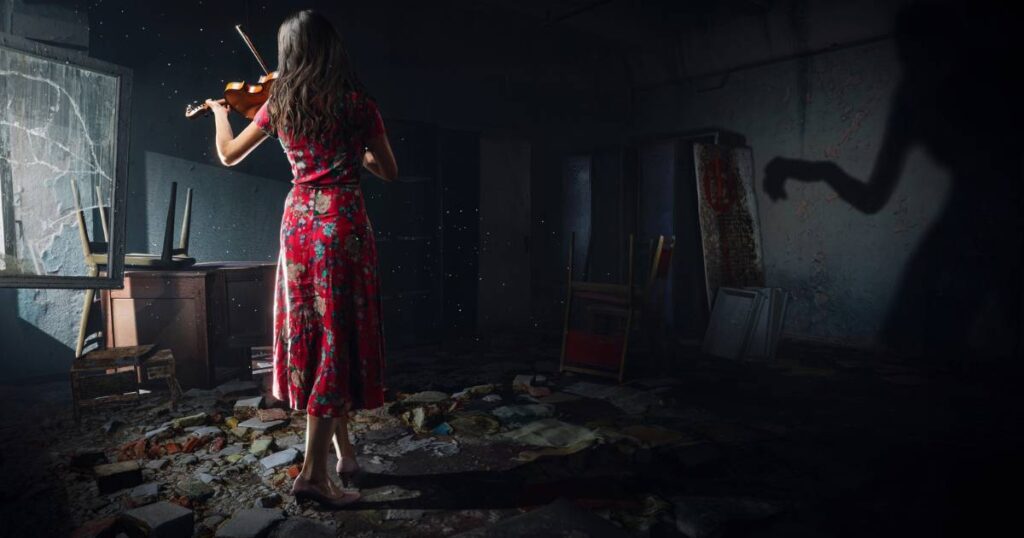
Many players realise that video games are more emotional than movies only after finishing a truly unforgettable game.
The screen fades to black.
For a moment, you don’t move.
The controller is still in your hands, resting quietly as the final music of the credits begins to play. The story is over. The journey has ended. Yet something inside you feels different, as if the experience hasn’t fully let go of you yet.
You sit there for a few seconds longer than usual.
Not because you have to.
But because you want to.
There’s a strange silence that follows certain games. A quiet reflection that lingers in the room after the final scene. It’s the kind of feeling that doesn’t happen with every piece of entertainment. You might watch a movie, enjoy it, and move on with your day. The story was good, the visuals impressive, the performances memorable. But once the credits roll, life continues almost immediately.
Video games can be different.
Sometimes, a game doesn’t simply end when the credits appear. Instead, it leaves behind a trail of emotions, memories, and moments that continue living in your mind long after the console has been turned off.
You remember the journey.
You remember the characters.
You remember the choices you made and the places you explored.
Unlike movies, where the audience watches events unfold from a distance, video games invite players to step directly into the story. You don’t just witness a character’s struggles; you carry them. You don’t just observe the world, you move through it, discovering it piece by piece.
Over time, those experiences begin to feel less like scenes from a story and more like memories you personally lived.
That is where the difference begins.
Certain video games reach a place that traditional movies rarely touch. They blur the line between storytelling and personal experience, turning players into participants rather than observers.
And because of that, some gaming moments don’t simply entertain us.
They stay with us.
Long after the screen fades to black.
Why Video Games Are More Emotional Than Movies: You Are Living the Story
Movies are powerful storytellers. A great film can make you laugh, cry, or sit quietly as the credits roll, reflecting on everything you just experienced. In those two hours, you follow characters through their struggles, triumphs, and heartbreaks. Every frame, every camera angle, every scene is carefully crafted by the director to guide you through the story.
But even the most emotionally moving films leave a certain distance. You are observing someone else’s life. You feel for them, but you do not carry the weight of their experiences. You are a witness, not a participant.
Video games, on the other hand, remove that distance almost entirely. After finishing a truly immersive game, it’s common to pause for a moment and reflect. You realize you weren’t just watching, you were part of the story. You weren’t observing from afar; you were making choices, navigating challenges, and shaping the experiences of the characters you guided.
In interactive storytelling, the emotional connection is created through your actions. Every movement, every step, every decision matters. You lead the characters, and in doing so, you share in their struggles, victories, and quiet moments. That sense of personal involvement transforms the experience from simple entertainment into an emotional journey that stays with you.
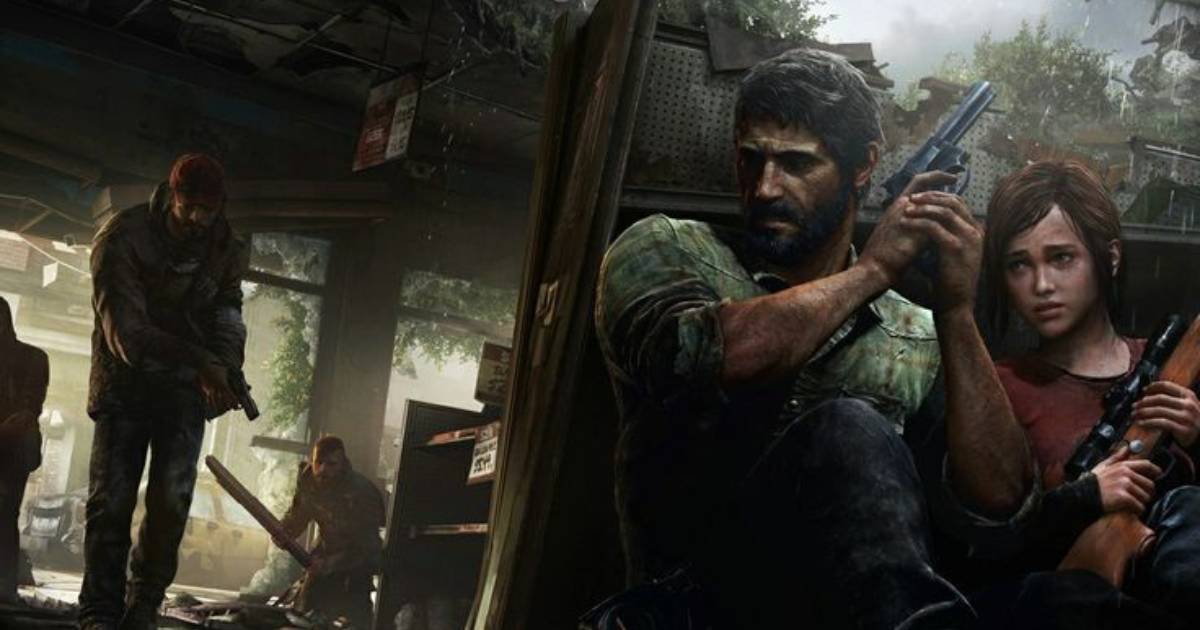
Consider how games like The Last of Us create these connections. The story unfolds around you, but your actions determine how you interact with the world and the characters within it. You explore dangerous environments, protect the characters you care about, and live moments that feel personal, not predetermined. For more insights on how video games move us emotionally in ways films cannot, check out this detailed analysis from MIT Press.
This emotional depth is also evident in games such as God of War. Conversations between Kratos and his son do not just play out before your eyes; you walk alongside them through battles and exploration. You witness their relationship evolve not as a distant observer, but as an active participant. Every pause, every shared silence, every small victory or setback becomes meaningful because you were part of it.
This is what sets video games apart from movies. Unlike films, where the story ends when the credits roll, games allow you to experience the narrative firsthand. The victories feel earned. The defeats feel personal. Even the quiet, seemingly ordinary moments leave lasting impressions because you chose to be present.
In short, video games transform storytelling into a lived experience. They engage players in ways that traditional movies rarely can. By placing you directly inside the narrative, games create emotional connections that endure long after the screen goes dark.
A Quiet Realisation: The moment you understand this, you start noticing why certain games linger in your mind long after you put down the controller. It isn’t just about the graphics, the story, or even the characters; it’s about the way you experienced it. You didn’t watch. You participated. And that simple difference transforms entertainment into memory.
Time Spent With Characters Builds Stronger Bonds
Films usually last around two hours.
Games, however, can take 20, 40, or even 60 hours to complete. That extended time allows not only for longer, more detailed stories but also for deeper emotional connections. You walk alongside characters for hours, learning their routines, understanding their weaknesses, and observing how they grow, experiences that movies cannot fully provide.
Take Arthur Morgan in Red Dead Redemption 2, for example. By the time the story reaches its emotional peaks, you’ve spent weeks with him. You know the rhythm of his life, the small burdens he carries, and the moments that make him feel truly human.
The same can be said for Kratos and his son in God of War. Those quiet, subtle moments between battles matter because you’ve spent time with them. You’ve witnessed their struggles, victories, and even the ordinary parts of their lives, building a connection that feels personal and genuine.
Prolonged immersion like this transforms characters from digital creations into companions, guides, or reflections of yourself. Their triumphs, setbacks, and growth are experienced with real emotional weight. Unlike movies, which end when the credits roll, games let you carry a piece of these characters with you.
To explore this further and see how story-driven and multiplayer games create emotional impact differently, check out our detailed analysis here. The hours you spend with these characters shape how you remember the story long after you put down the controller.
Shared Journeys: Time is the secret ingredient. The longer you walk with a character, the deeper the connection grows. Games give you that time, allowing moments to resonate in ways that movies simply can’t. Your bond isn’t observed, it’s lived, and that makes all the difference.

Player Choices Create Emotional Responsibility
In movies, storytelling is self-contained. You watch characters make choices, face the consequences, and grow from their experiences. The suffering, the victories, and the moral dilemmas can be moving, even heartbreaking, but they are always theirs, not yours. You observe the impact of decisions, but you never truly carry their weight.
Video games flip that dynamic completely. When a game gives you choices, the responsibility of every decision falls directly on your shoulders. Even small actions can have meaningful consequences. You don’t just witness the outcome, you feel it. Your choices can affect the life of a character you care about or alter the fate of the world around you, making every decision emotionally significant.
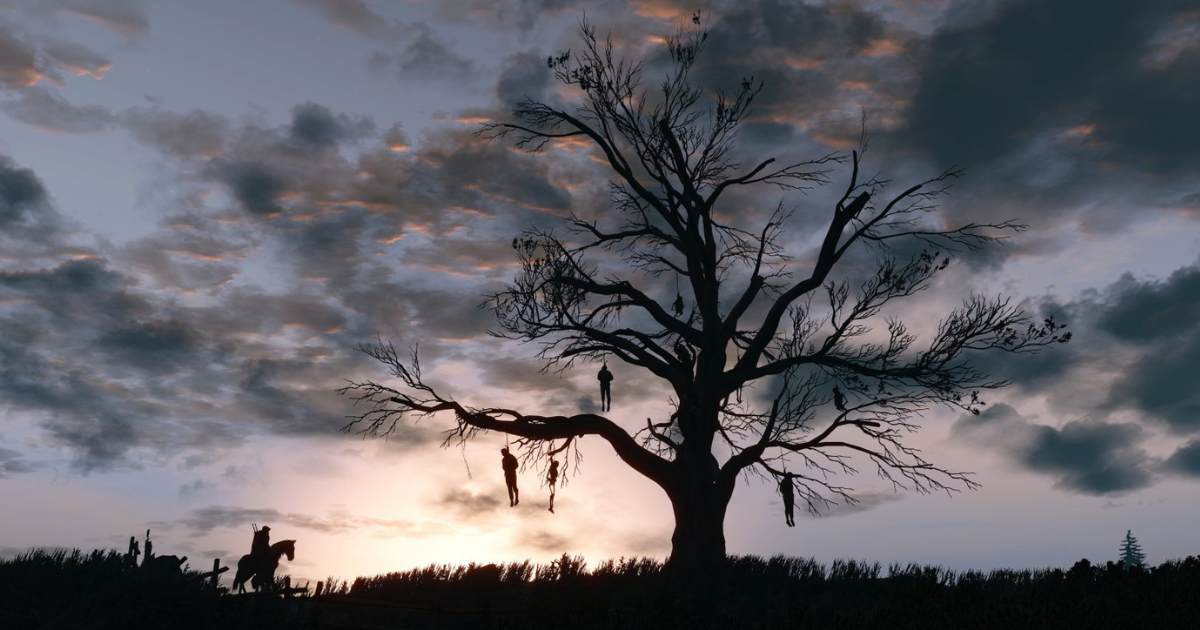
For instance, in Life Is Strange, your choices have a real emotional impact. Saving one person might cost another, and every decision shapes how the story unfolds around you. Similarly, in The Witcher 3: Wild Hunt, the choices you make during missions or conversations ripple through the world, affecting characters, events, and even your own sense of morality.
This level of interactivity creates a psychological experience that movies cannot replicate. The emotional weight of the story isn’t just presented to you; it is experienced alongside you. Every decision, success, and failure leaves a lasting impression, making the game’s narrative deeply personal and unforgettable.
The Weight of Decisions: Every choice you make in a game carries echoes far beyond the immediate moment. That sense of responsibility transforms entertainment into experience, making the story feel alive and leaving players thinking about it long after the screen goes dark.
Interactive Worlds Create Personal Memories
Not all of the most memorable parts of a game are the combat sequences or major story events. Often, it’s the quiet, personal moments that stay with you the longest. The sun rising over a distant hill, a hidden vault tucked away in a cave, or a simple conversation with a character in a small village, these aren’t just virtual landscapes. They are worlds you live in, shape, and remember.
Games invite exploration in a way movies never can. While films guide every frame and every beat, games allow you to move at your own pace, decide where to go, and discover moments that feel uniquely your own. In Journey, even a quiet walk across deserts and ruins becomes an emotional journey because every step is yours to take. No two players experience it in the same way.
In ABZU, exploring vast underwater worlds becomes a deeply personal experience. Music swells, schools of fish glide gracefully, and every corner of the ocean encourages curiosity. These moments aren’t scripted; they remain with you because you experienced them firsthand.
Even in massive open-world games, personal experiences are abundant. Hours spent riding across plains, pausing to watch a sunset, or sharing a campfire with companions create memories that movies can never replicate. These are your moments, your journey, your emotional mark.
Video games don’t just tell stories, they create worlds where you feel you belong. Even after logging off, these worlds linger in your mind, as vivid and emotional as real-life memories, shaped by the choices and experiences you lived within them.
Imprinted Worlds: When you explore a game’s world on your own terms, it becomes more than just a backdrop; it becomes part of your personal history. These worlds are imprinted in your mind, turning gameplay into memories you carry with you forever.
Music + Gameplay + Story Create a Unique Emotional Mix
Video games have a rare, almost magical quality: they combine multiple elements to create an emotional experience that movies can only hint at. Music swells in the heat of battle, soft melodies accompany tender moments, and gameplay itself is tightly woven into the narrative. Together, these factors create a layered, immersive experience that reaches the player’s heart in a way no passive medium can.
Take The Last of Us as an example. The haunting music follows Joel and Ellie at every step, making danger feel immediate and personal. Your heart races not just because of what’s happening on screen, but because you are controlling the characters. Every pulse of music amplifies tension, anxiety, and anticipation, drawing you deeper into the story.
Similarly, Ori and the Blind Forest seamlessly integrates its soundtrack with the environment. Every triumph, every setback, and every moment of exploration is accompanied by music that enhances the emotion of the experience. Gameplay, visuals, and sound work together so harmoniously that they become inseparable, leaving a lasting impression on your memory.
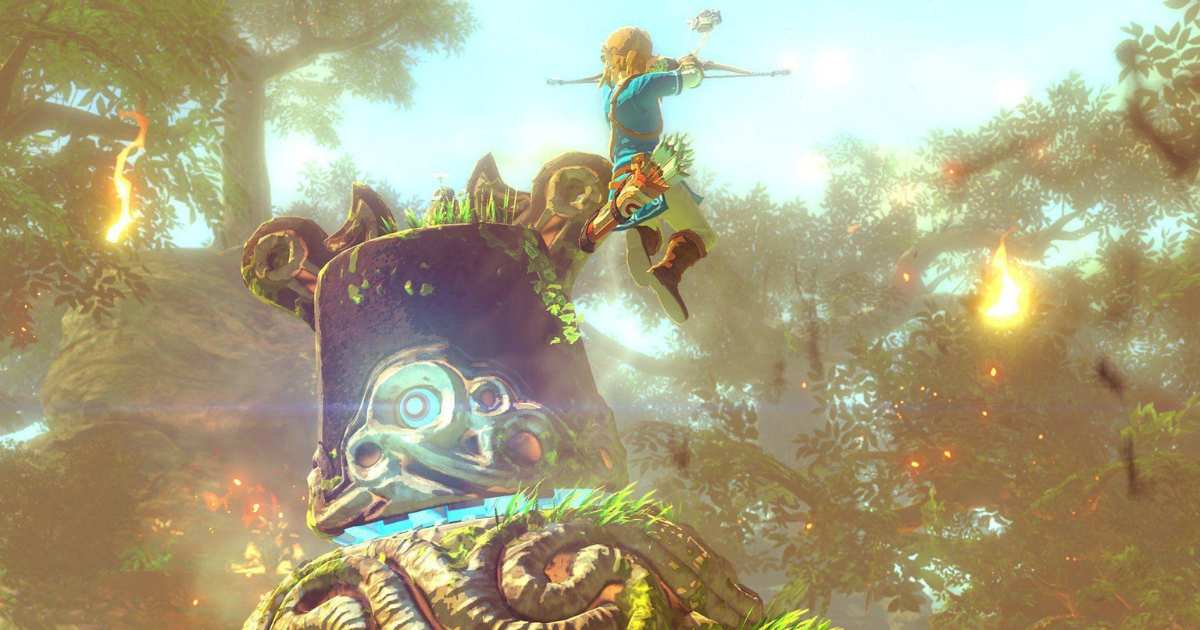
Even in expansive open-world games like The Legend of Zelda: Breath of the Wild, the music responds naturally to your actions and surroundings. The environment isn’t just something you see, it’s something you experience. Narrative, player agency, and music combine to form a symphony of emotions, making each moment feel unique and alive.
Unlike movies, which present emotions for observation, games invite you to participate. Every decision, every movement, every note of music is experienced directly by you. It’s this blend of story, gameplay, and music that gives video games their extraordinary emotional resonance, often surpassing what films can achieve.
The Symphony of Emotion: When story, gameplay, and music work together, the experience becomes greater than the sum of its parts. It isn’t just a story you follow, it’s a living, breathing emotional journey that moves you, lingers with you, and stays with you long after the screen goes dark.
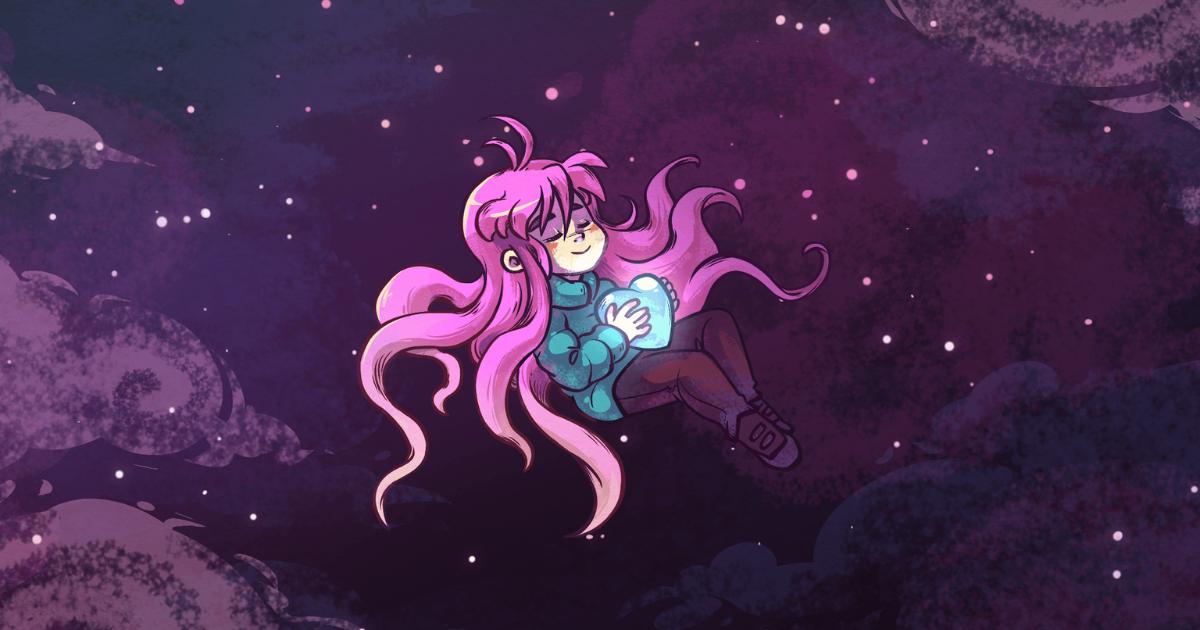
Failure, Struggle, and Victory Feel Personal in Games
In films, you watch actors lose, fight, and triumph. You feel their strain, their despair, and their joy, but it is never truly yours. You see the consequences unfold, but the burden is always on the characters, not you.
Games change everything. When you fail, it’s personal. When you face a challenge or battle, it’s your hands guiding the outcome. And when you succeed, it’s not just a scripted victory; you genuinely earned it. Every loss, every trial, every hard-fought lesson becomes part of your memory because you lived it firsthand.
Take Dark Souls, for example. Every encounter tests your patience, skill, and resolve. Repeated defeats sting, near misses frustrate, and finally overcoming a boss delivers a thrill no movie could replicate. You don’t just observe the victory; you experience it in your own body and mind.
The same is true for narrative-driven games like God of War. Tough fights and morally challenging decisions create emotional stakes that feel deeply personal. Your perseverance, your effort, and your choices intertwine with the story, making the outcome meaningful.
Even smaller challenges in exploration-based games, like discovering a hidden path, solving a tricky puzzle, or navigating a dangerous environment, carry weight. Every success and failure feels earned because you are an active participant. In games, story, world, and player action are inseparable, turning even minor moments into experiences that resonate long after the screen goes dark.
Earned Moments: In gaming, every triumph is more than a narrative beat; it’s a reward for your effort. The struggles you endure, the failures you overcome, and the victories you claim all become part of your personal story, leaving memories that linger far beyond the screen.

The Small, Quiet Moments Leave the Biggest Impact
Not all memorable gaming experiences are loud or dramatic. Often, it’s the quiet, subtle moments that leave the deepest impression. You remember a character pausing to gaze at a sunset, the gentle fall of water in a hidden stream, or a soft conversation during a moment of rest; these are the moments that stick.
Movies tend to focus on spectacle and climactic highs, giving viewers a controlled emotional experience. Games, on the other hand, allow these fleeting, intimate moments to happen organically. You decide when to stop, where to linger, and which paths to take. ABZU offers a perfect example: gliding silently with a whale or swimming among schools of fish can carry more emotional weight than many cinematic scenes, because you are fully immersed and in control.
It’s often the quiet journeys, riding across plains, sharing conversations around a campfire, or watching a storm approach, that linger in memory, even years later, in story-driven or open-world games like Red Dead Redemption 2. These small moments don’t shout, and that’s what makes them so powerful; their subtlety resonates deeply. For more games that provide emotional depth and moments of reflection, check out our curated list of 10 Games That Feel Like Therapy.
The emotional impact of these small experiences comes from your choices and presence. You weren’t forced through them; you chose to pause, observe, and reflect. That voluntary engagement makes the memory uniquely yours, a personal echo of a digital world that stays with you long after the controller is set down.
Lingering Echoes: It’s the quiet, often overlooked moments in games that leave the most lasting impressions. They echo long after you’ve left the controller behind, subtle but unforgettable, reminding you that sometimes the smallest experiences carry the heaviest emotional weight.
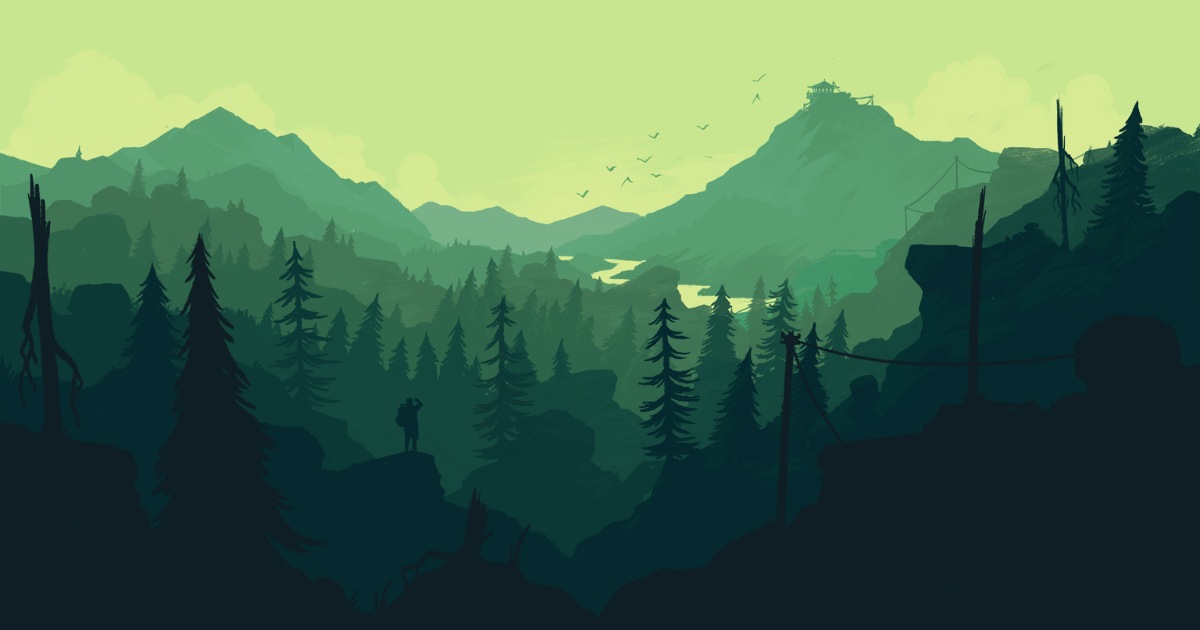
Games Let You Reflect on Yourself Without Real Consequences
One of the most profound aspects of gaming is how it allows for self-reflection. In a game, you can make decisions, take risks, and navigate complex worlds without the threat of real-life consequences, but the emotional impact can feel just as genuine. You see yourself in your choices, your problem-solving, and how you respond to the challenges presented.
Story-driven games such as The Witcher 3: Wild Hunt let players explore morally complex situations. Would you sacrifice one character to save another? Are you someone who bends rules or follows them strictly? The choices you make reveal not only how you want the protagonist to act but also provide insight into your own values, instincts, and approach to problem-solving.
Even exploration-based or puzzle games encourage introspection. Silent walks through immersive worlds, like the peaceful underwater exploration in ABZU or reflective rides across the plains in Red Dead Redemption 2, invite patience, curiosity, and personal growth. The game becomes a mirror, showing how you react, what you prioritize, and how you navigate challenges.
Games provide a safe space to experiment, fail, and grow while remaining emotionally authentic. Unlike movies, where you passively watch action unfold, games let you fully engage with your empathy, courage, or hesitation without real-world consequences. This reflective experience often lingers long after the game ends, shaping how you perceive yourself both in the virtual world and in everyday life.
Mirror of the Self: Through interactive experiences, games give us the chance to look inward. They reflect our decisions, emotions, and values to us, letting us explore who we are in ways that are both safe and profoundly meaningful. The experience doesn’t just entertain, it enlightens.
FitPlay Q/A: Understanding Why Games Hit Deeper Than Movies
Q1: Why do story-driven video games affect players so strongly?
A: Story-driven games affect players deeply because you aren’t just watching the story; you are living it. Every choice, every challenge, and every interaction is controlled by your actions. This interactive storytelling makes the emotional weight personal, turning gameplay into a memorable experience that movies rarely achieve.
Q2: Can video games be more emotional than movies?
A: Absolutely. While movies guide viewers as passive observers, video games let players actively participate in the story. Your choices, time spent with characters, and the interactive worlds you explore create layers of emotional engagement. This level of immersion is unique to gaming.
Q3: What makes a video game truly unforgettable?
A: Unforgettable games create personal memories. It’s not just plot twists or visuals, it’s the small choices, quiet moments, and challenges that linger after you log off. Games that allow exploration, moral decisions, and immersive storytelling embed themselves in your mind like lived experiences.
Q4: How do games help us reflect on ourselves?
A: Video games act as mirrors for your personality, empathy, courage, and values. By making decisions, solving problems, and observing outcomes without real-world consequences, you see parts of yourself reflected in the gameplay, something other media rarely offer.
Q5: Why do small, quiet gaming moments matter as much as big battles?
A: Subtle moments in games, like watching a sunset or listening to soft music, allow reflection and mindfulness. These quiet interactions often leave longer-lasting emotional impressions than cinematic spectacles, making them personally meaningful to the player.
Conclusion: The Stories We Live, Not Just Watch
The screen goes dark, but the story doesn’t end.
You put down the controller, yet the echoes of the world you just inhabited remain. You remember the choices you made, the struggles you faced, and the quiet moments that moved you more than any grand spectacle could. These memories don’t fade like movie scenes; they linger, quietly shaping how you feel, how you think, and sometimes, even how you see yourself.
Video games are unique because they don’t just tell a story, they invite you to become part of it. You walk beside characters, live through challenges, explore breathtaking worlds, and feel the weight of every decision. The triumphs feel earned, the losses feel personal, and the quiet moments resonate in ways that no passive medium can replicate.
Over hours of exploration, gameplay, and emotional investment, games transform from entertainment into experience. They are places we’ve lived, journeys we’ve shared, and reflections of ourselves we carry with us. When a game truly hits, it doesn’t simply entertain; it stays with you, long after the credits roll.
In the end, the difference between movies and games is subtle yet profound: movies are watched, but games are lived. And it’s that living, that presence, that turns digital stories into something unforgettable.
“Some stories are watched. The unforgettable ones are lived.”