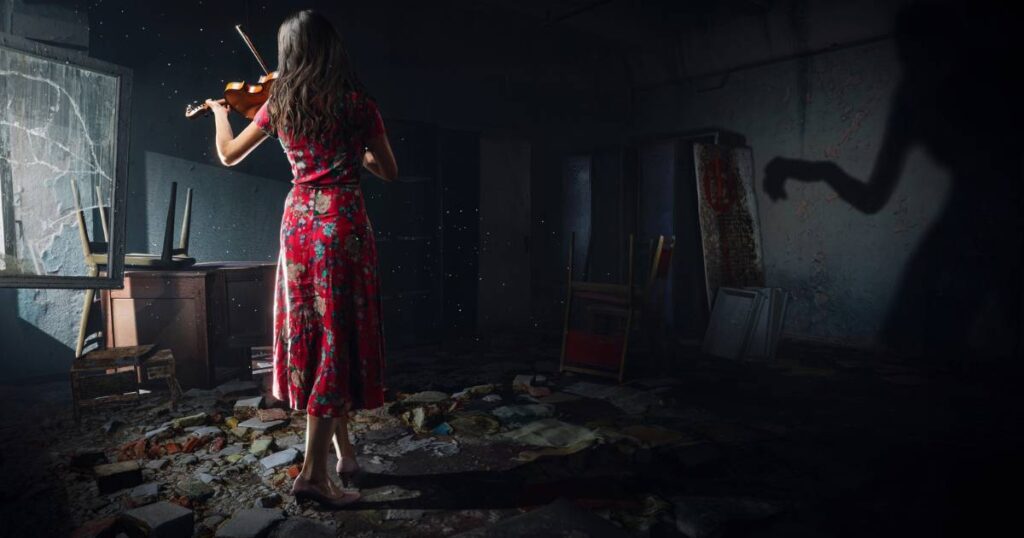
Why games stay with us isn’t about graphics or mechanics; it’s about the emotions, memories, and moments that quietly become part of our lives.
Some games don’t fade when the screen goes dark.
Years later, you’re standing in a queue, lying awake at night, or staring out of a bus window, and suddenly, a moment comes back. A piece of music. A quiet walk through a virtual town. A choice you made when no one was watching. You don’t remember the controls anymore. You barely remember the objectives. But the feeling? That never left.
It’s strange how it happens.
You didn’t plan to remember that game. You didn’t mark it as important. At the time, it was just something you played, after school, after work, during a phase of life that felt ordinary back then. Yet somehow, that game stitched itself into your memory, right alongside real moments, real emotions, real versions of yourself.
And it wasn’t always the biggest game.
Not always the most realistic.
Not always the one with the loudest hype.
Sometimes it was a quiet story.
Sometimes a single character.
Sometimes, just the way the world made you feel when everything else in life felt heavy.
That’s the part people don’t talk about enough.
We don’t keep thinking about certain games years later because of graphics, frame rates, or trophies. We remember them because, at some point, they met us exactly where we were. They understood our silence. They gave shape to emotions we didn’t know how to explain. They let us be brave, broken, curious, or calm, without judgment.
In a medium built on play, some games end up becoming memories.
This isn’t about nostalgia for nostalgia’s sake.
This is about why certain games quietly stay with us, long after we’ve moved on, grown up, or changed.
And once you understand that reason, you’ll start realising something powerful:
You were never just playing those games.
You were living a small piece of yourself inside them.
They Capture a Version of Who We Were
We sometimes do not remember a game as it was.
What we recall about it is how we used to play.
It is one of the reasons why some games will remain with us for years to come. They are turned into emotional stills. Not even freeze frames of the game itself, but impressions of a particular stage in our lives. When it was simpler, heavier, confusing, hopeful or uncertain.
Think about it: you may not remember all those mechanics, missions, and levels, but you do remember how it felt to sit down and play. The room you played in. The time of day. The quiet around you, or the bustle of life carrying on. How the game came to become a part of your life when real life seemed too much or too nothing. Perhaps it was the sound of the controller in your hands, it was a long day, or the silence of getting ready to go on a new quest before anybody woke up. These sensory memories are bound to the game, though they may hardly be noticed by your conscious mind during the game.
And unconsciously, the game was included in that chapter. It was not merely entertainment but as much as a companion with a slice of life, a background to your personal development. The silence of victory, distress or curiosity was not recorded on a screen as an accomplishment but was imprinted on your mind.
This bond is stronger than most other media since games are interactive. You were not merely having a story being told. You were participating. Making small decisions. Making your own time. Hours spent in a world that felt safe, in control, and meaningful, especially when the outside world offered none of it. Every decision, every action, moulds, in some unconscious way, your memory of that moment in your life.
Later in life, when you consider that game, you are not remembering a bunch of pixels and music. You’re remembering:
- Who were you becoming?
- What are you dealing with?
- What you escaped from?
- What do you hope for?
The game will become a portal for returning to that version of you. And that is why even a momentary recalling, such as a tune, a sound effect or a moment of silent victory, can strike you with a shocking sharpness. It is not the reminiscent mood about the game itself. It is a nostalgia of the you that the game saw, and somehow kept.
Echoes of Who We Were: Some games stay with us because they capture a version of ourselves we lived in at the time, our emotions, our routines, our small victories and escapes. They’re more than pixels; they’re memories of who we were.
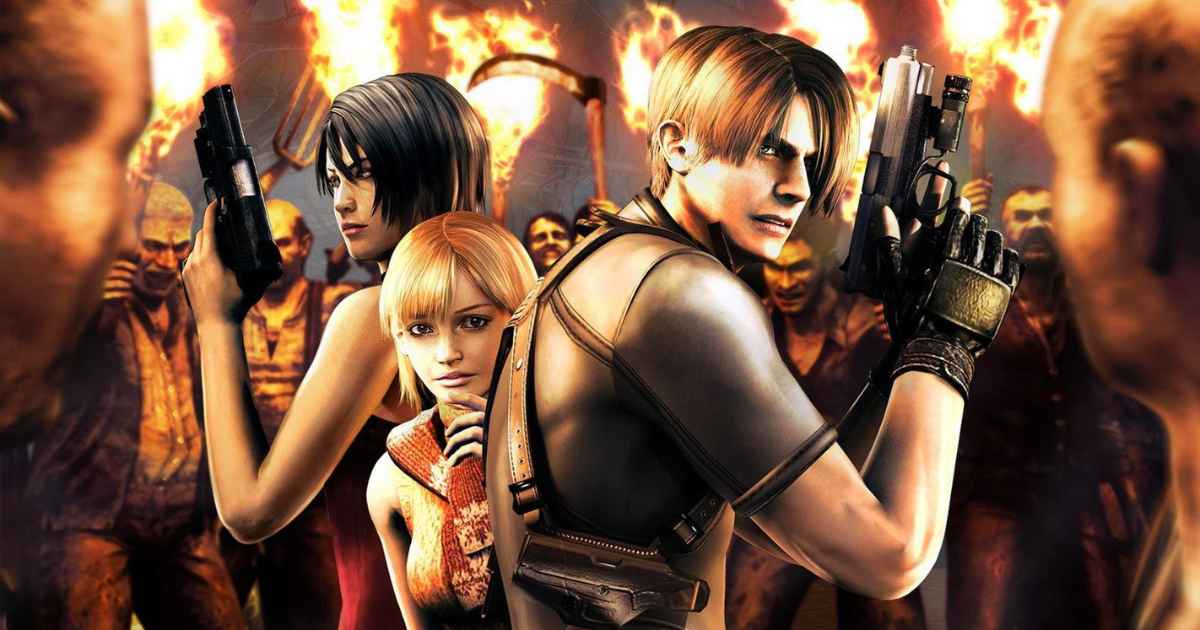
Through Their Eyes
We are still not over some games, as they allow us to experience things we may not have experienced in real life.
It is not merely about the story; it is about the emotional point of view. You are a character who feels, struggles, hopes, or fears in a manner that makes something close to yourself and your own life without ever disclosing what will happen to them in the end. You experience empathy, excitement, anxiety or calmness not because the game imposes it on you, but because it provides you with the freedom to be able to test those emotions without the danger of being harmed.
Consider the moment when you were lost in a world that was not yours. The choices you made, which were considered minor, such as stopping to look around, assisting a character in need, or even just sitting back and letting the world breathe, had taught you something about yourself. Perhaps it brought back to you the patience within yourself. Perhaps it inspired the boldness to take a hard decision in real life. Or perhaps it was just a relief, a distraction from the busyness of a persistent day.
The mere fact of being in that world enables us to feel from a new perspective, even without knowing the outcome. Many experts note that immersive storytelling and worldbuilding anchor emotional memories, helping players carry the emotional experience long after the session ends.
It is the beauty of freedom: the game never dictates how to feel. It simply welcomes you inside, and you are carrying with you your own feelings, your own thoughts. It is that experience, combined with the game, that makes the experience memorable.
Through Their Eyes: Some games remain unforgettable because they let us walk in another’s perspective, feel their choices, and quietly reflect on ourselves, creating memories that are deeply personal yet universally human.
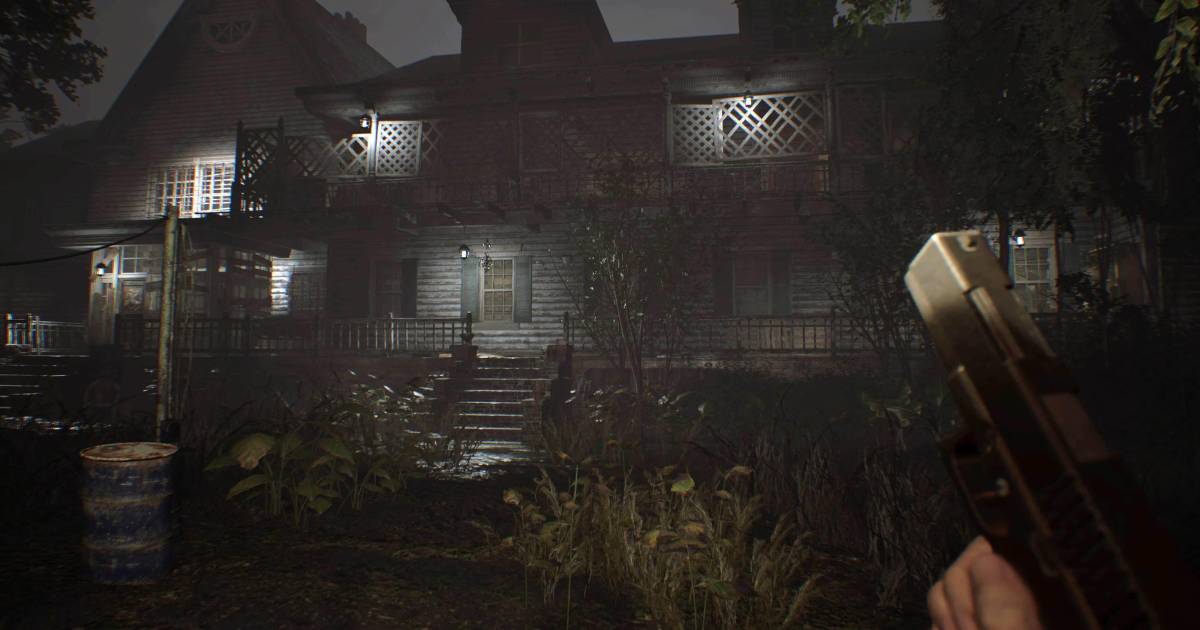
Moments That Stay: Why Games Stay With Us
Certain moments in games do not exist in our memory due to the gameplay or the graphics, but due to the little, silent things that made a difference to us.
It can be a trivial thing: assisting in one of the games, a found niche, a stop to enjoy the sunset, or even a line of dialogue that suddenly made some sense to you. Those are not plot points and spoilers; these are brief moments which touch the heart. The little things that make us smile, pause, or sink into a few quiet seconds of thought.
Remember one of the games you played many years ago, perhaps a world so vivid and alive that even its quiet moments linger in your mind, much like Red Dead Redemption 2 does for so many players. These little experiences still come through even today, not as mission text, but as sensations, silent touches on your memory.
The only way to create these tiny, emotionally charged moments—lasting far longer than any cutscene or dramatic sequence- is through games. These enter into our inner story, and they make a difference in the way we recollect our own lives, and even in the manner of tackling problems. That is why even the moment that may not seem that big can be monumental when remembered decades later because it is an experience that is related to our feelings, to our sense of wonder, or our desire to find some rest in the real-life mess.
Moments That Stay: Some games linger because of the quiet, meaningful moments that touch us, moments that become part of our memory, independent of the story itself, and remind us that even small experiences can leave a lasting emotional mark.

They Connect With Our Emotions, Not Just Our Hands
Some games make a permanent impression, as they are addressed to something more than mere skill or tactics, to the very heart of our feelings.
It is what can make you recall the stress of a hard task, the ease of a minor triumph, or the kindness of a character who acts much after the controller is put down. These are not plot twists, plot endings, but how the game changed you when you were playing.
Games are interactive in a way that movies or books cannot be. All decisions, waitings, and actions are through your thoughts and emotions. It magnifies the emotional experience when you are approached with your own personal lens, so you will not forget it. The silent disappointment of being unable to complete a task, the little happiness of discovering some secret place, or the silent relationship that you have with a character all leave a trace in your mind that messes with your own life.
The memories will come back even several years later, not due to the goal you achieved but because of the emotional experience you went through. The heartbeat of your personal experience, combined with the world of the game. The key to the fact that some games are everlasting lies in the fact that they reach those aspects of us that are not visible, but very much true.
Emotional Echoes: The games we keep thinking about are the ones that didn’t just ask us to play, they asked us to feel, creating a lasting connection between player and experience that survives long after the console powers down.
They Reflect Parts of Ourselves
Certain games persist as they are the reflections of our being, even though they do not necessarily tell us so.
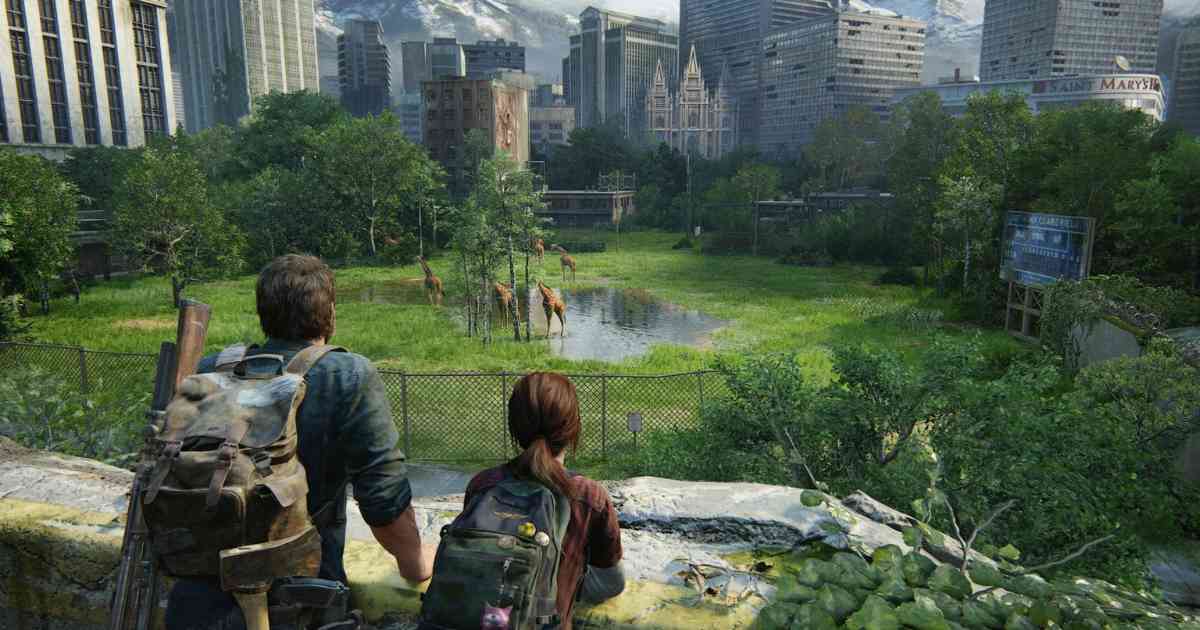
The interest of a character may reflect our own. Struggles that we may be going through may be in the form of challenges in the world, as seen with Leon Kennedy in Resident Evil: Requiem. Even minor decisions may seem like talking to ourselves. You do not even have to read the ending or learn the secrets of the story; you just have to feel that you become part of yourself in the safe, virtual world.
This is a slight but strong reflection. It brings the gameplay to a personal, memorable and strangely intimate level. You may find yourself screaming in your heart over a character who has traits that you love, or even stopping at a point to show love for a value you cherish. Even the smallest gestures, silent scenes or the repetition of interactions may be treated as mirrors, mirrors of your thoughts, feelings or dreams.
When we think of a game years later, it is not due to the experience of what happened but rather because it was a mirror of who we were or rather, who we might have wanted to be. It’s why we revisit certain titles in our minds, carried back to moments that, in a way, were entirely about us, our choices, our feelings, our quiet experiences. These games quietly guide us toward introspection, reminding us of our values, our emotions, and the ways we’ve grown.
Mirror Moments: Some games stay in our minds because they reflect pieces of ourselves, letting us explore, understand, and connect with our own humanity through play.
They Give Us a Sense of Belonging
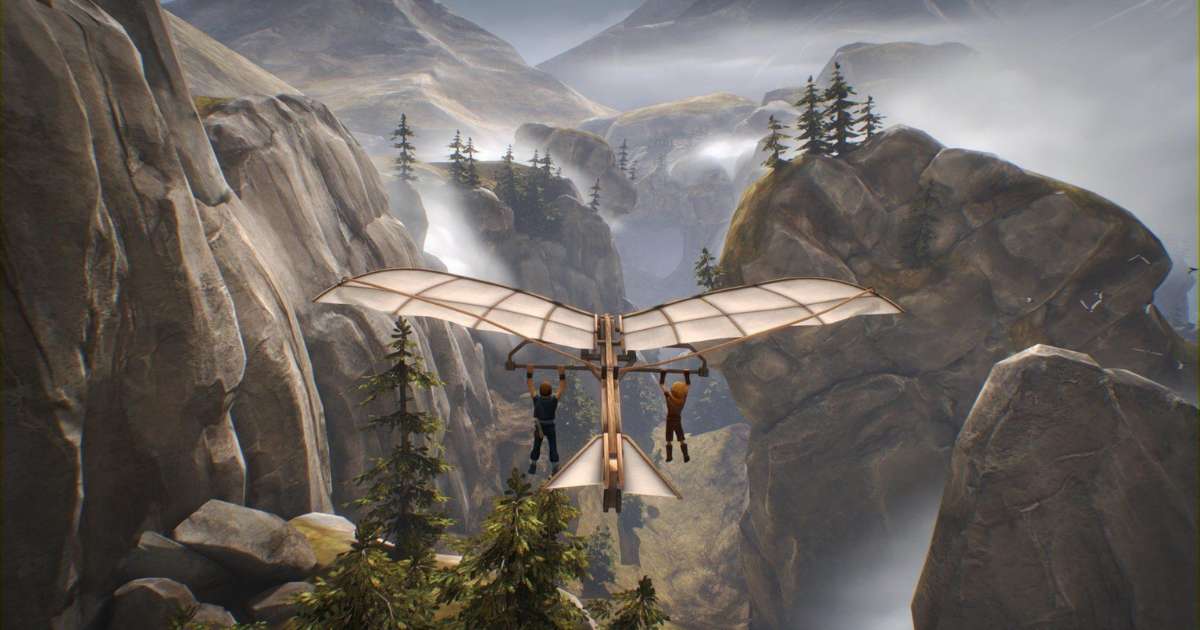
Certain games remain in our minds since they make us feel that we are part of a world that is not ours.
Although it is a totally fictional environment, the game welcomes us to a crowd of ideas, challenges and feelings. The scenery, the characters, even the smallest interactions, create a space where we can safely be ourselves, curious, brave, playful, thoughtful, without judgment. It might not seem like it at the time, but when playing, you are involved in something bigger than a screen.
This feeling of belonging may be indirect: assisting a character, going through a secret space, or simply roaming around the world at your own time. Gradually, these experiences are added up, and the game becomes a place that seems to be a haven. Such sensation may last many years, recurring without any warning as the memories of the world, its climate, or its feelings come back.
It has a psychological depth also. Human beings are programmed to recollect places where they can feel accepted and involved, even when those places are virtual. The games that evoke this feeling of connection make a lasting impact since they appeal to one of the primary needs: to belong, to matter, and to be involved in something meaningful.
Worlds of Belonging: Some games endure in our memories because they gave us a place to feel seen, connected, and understood, long after the console was turned off.
They Teach Us Without Words
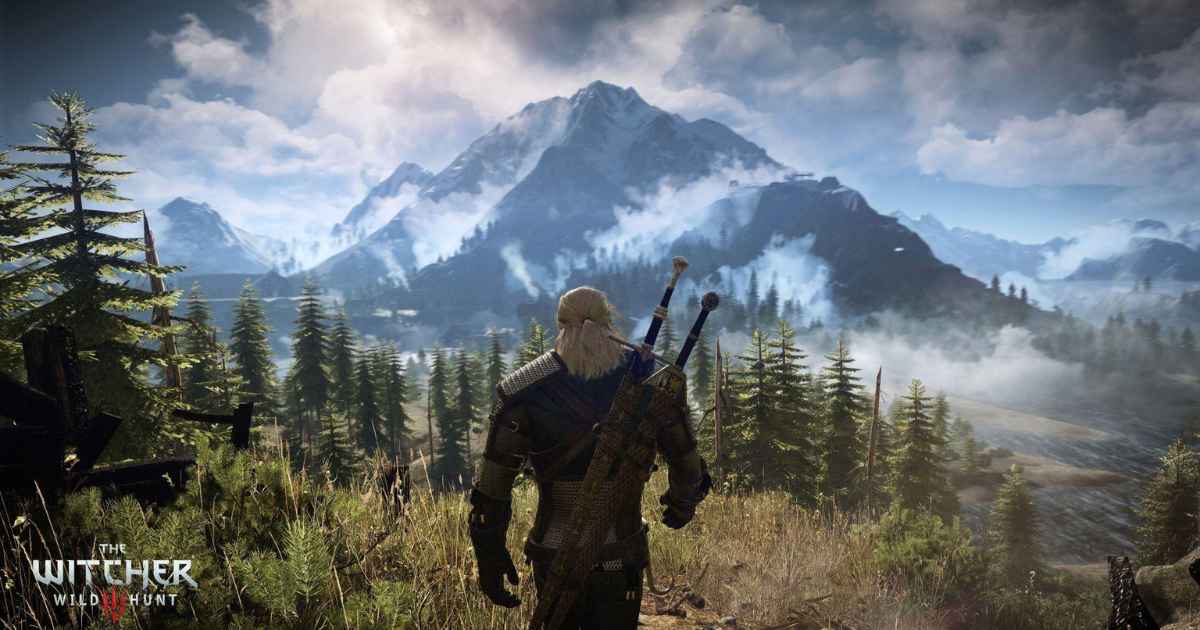
Some games linger in our memory because they teach us without ever spelling it out, guiding us through lessons we discover on our own.
You may recall a game and not by its plot or style, but by what it taught you about patience, planning or understanding. Maybe there was a world that taught you to watch, or an option that had prodded you into thinking about the consequences of which you did not think. The lesson isn’t always clear in the moment; often, only months or years later do you fully realise what the game quietly taught you.
This is unspoken learning that makes some games memorable. They do not preach or impose ethical decisions; they set up situations that are similar to real-life decisions and leave it up to you to work with the situation as you see fit. The result of that is the mark of a silent memory when one is faced with something that requires patience, bravery, or contemplation.
It is also the reason why certain games are strangely personal. Even without fully grasping the story or its conclusion, the lessons these games leave behind echo through us, shaping how we remember the experience. We don’t receive these lessons as handouts; we live them through gameplay, and their impact stays with us long after the game ends.
Silent Lessons: Some games stick with us because they teach through experience, shaping our understanding and perspective in ways that words alone never could.
They Stay With Us Because of How They Make Us Feel Alive
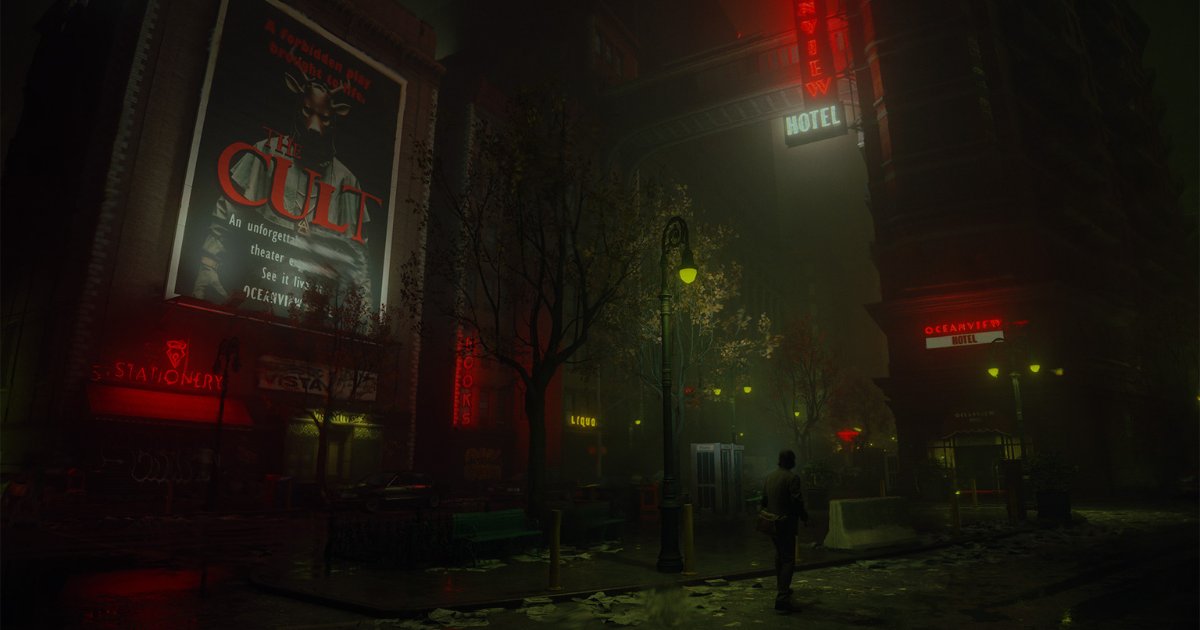
Some games survive in our minds merely because they allow us to feel alive when we cannot always get this in the face of reality.
It can be the adventure of finding out about some huge world, the silent pleasure of solving a problem, or the aesthetic feeling of the moment that reflects our problems or desires. These feelings linger long after the session ends because the game provides something rare: a safe, immersive space to experience intense emotion, wonder, or curiosity.
The nature of the participation in games makes emotions intimate and very ingrained, unlike passive media. An obstacle that is being solved is not only an imaginary milestone, but also an indicator of your determination. It is not merely a picture, but a moment of stillness of beauty, a moment of life in which you were able to think, to breathe and to experience. These experiences can be recalled even many years later and make one feel happy, nostalgic or clearer.
It does not always rely on the larger-scale struggles or the dramatic plot line. It is often the little, heartfelt things, the laughs, the tranquillity, the interest that make their way into our memory. This is why we end up playing certain games, as it is part of our life, but not entertainment.
Feeling Alive: Some games stay with us because they evoke emotions so vivid and personal that they become lasting fragments of our own life experiences.
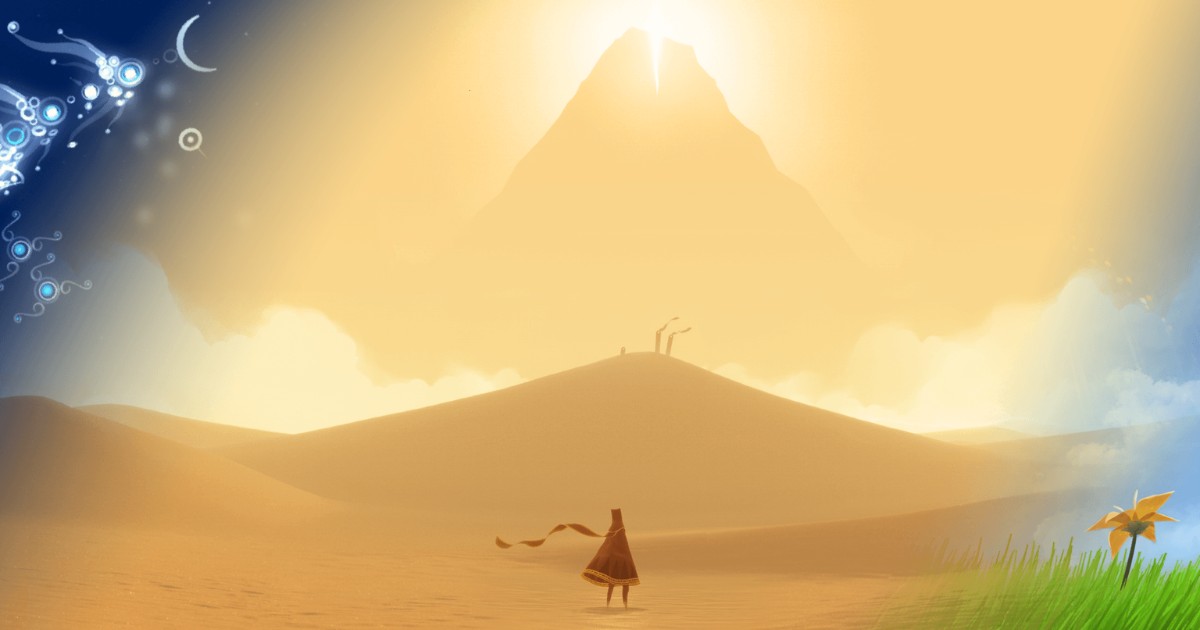
Why We Keep Pressing Play: Q/A
Q1: Why do certain games stay in our memory for years?
A: Because games don’t just entertain, they capture moments, emotions, and parts of ourselves. Whether it’s a small victory, a quiet scene, or a personal connection to a character, the experiences live in our memory long after the console is off. Even subtle interactions leave lasting impressions because we actively participate in the world.
Q2: Is it only story-driven games that have this effect?
A: Not at all. While stories help, even gameplay-focused games can leave lasting memories. The connection comes from how you experience the game, not just what happens in it. A challenging puzzle, a serene environment, or a memorable music track can resonate deeply, creating personal moments that stick with you.
Q3: Can these memories affect how we see ourselves?
A: Absolutely. Games often act as mirrors, reflecting parts of our personality, choices, or emotions. They can teach patience, resilience, empathy, or creativity without explicitly stating it. Years later, recalling a game can remind us of who we were at that moment in life, and sometimes, how we’ve grown since then.
Q4: Why do some minor moments feel more memorable than big story events?
A: Because it’s the emotion tied to the moment, not the plot itself, that creates lasting memories. A simple pause to watch a sunset, helping a character, or discovering a secret corner can evoke feelings that stick with us. These micro-moments often leave a stronger emotional imprint than dramatic story twists.
Q5: Can replaying a game bring back these feelings?
A: Yes, but the memories might feel different. Replaying can revive nostalgia and let you relive emotional connections, yet you might notice new perspectives or emotions. The first experience, however, is unique because it’s tied to the version of yourself at that time.
Q6: How do games help us process real-life emotions?
A: Games offer a safe space to explore emotions like fear, joy, frustration, or hope. Experiencing these feelings in a controlled environment can help us understand ourselves better, practice empathy, or even gain clarity on challenges we face in real life.
Q7: Why do we remember some games more than others, even if they’re similar?
A: Because memory isn’t about the game’s size or hype, it’s about the emotional resonance. Games that align with our feelings, identity, or personal experiences create stronger, longer-lasting impressions. The same mechanic in one game might feel ordinary, but in another, it can become unforgettable.
Q8: Can a game help us feel connected to others?
A: Yes. Even single-player games can foster connection through shared experiences, community discussion, or empathy for characters. Multiplayer games amplify this, but the underlying principle is the same: games tap into fundamental human emotions, creating bonds with the world, characters, and sometimes, other players.
The Game Lives On
Some games aren’t just games. They are mirrors, teachers, companions, and quiet witnesses to our lives. They capture who we were, let us feel emotions we didn’t know we could, and reflect pieces of ourselves we might never show anyone. They create moments that linger, tiny, fleeting, yet unforgettable.
Years later, thinking about a game isn’t about nostalgia for pixels or mechanics. It’s about remembering the feelings it gave us, the quiet victories, the small joys, and the moments of wonder. It’s about reconnecting with a version of ourselves that was alive in that space, in that time, and realising that even if the story has ended, the memory, the emotion, never truly fades.
The power of gaming lies not in the consoles we hold or the screens we stare at. It lies in the way a game can touch our hearts, shape our perspectives, and stay with us long after we’ve walked away. And that is why some games are more than just entertainment; they are pieces of our own story.
“Play deeply, feel fully, and let every game leave a mark on who you are.”