Drinking more water improves workout performance in ways most people underestimate, especially during strength training, cardio, and recovery.
You’re halfway through your workout.
Your breathing is heavier now.
Your muscles don’t burn yet, but something feels off.
The reps that felt smooth yesterday suddenly feel heavier.
Your focus drifts.
Your energy dips earlier than expected.
You pause for a second and ask yourself a quiet question most people ignore:
“Is it my strength… or am I missing something simpler?”
For many of us, fitness struggles don’t start with weak muscles or bad routines.
They start with small things we underestimate, things as ordinary as a glass of water.
We chase better workouts through harder exercises, longer sessions, expensive supplements, and complicated plans. Yet we often forget the most basic fuel our body relies on to move, lift, sweat, and recover.
Water doesn’t look powerful.
It doesn’t promise instant results.
It doesn’t come in flashy containers with bold claims.
And still…
Your body depends on it at every single moment of your workout.
So the real question isn’t “Is water important?”
We already know that.
The real question is:
Does drinking more water actually improve workout performance, or is it just another fitness myth we repeat without thinking?
In this article, we won’t exaggerate.
We won’t scare you.
And we won’t sell you shortcuts.
We’ll break down, clearly, calmly, and honestly, how hydration affects your strength, endurance, focus, and recovery… and where drinking “more” water truly helps, and where it doesn’t.
Because sometimes, improving your workout isn’t about pushing harder.
It’s about listening better.
And sometimes…
Progress starts with something as simple as taking a sip.
Why Water Matters During Exercise More Than You Realize
Before your muscles contract…
Before your heart rate rises…
Before the first drop of sweat appears…
Your body turns to water.
Every movement you make during exercise, whether it’s lifting a dumbbell, holding a plank, or simply walking, depends on hydration working quietly in the background.
Water isn’t just something you drink around your workout.
It’s something your body uses during the workout.
Water Controls Your Body Temperature
Your body overheats when you exercise.
To protect itself, it sweats.
That perspiration is no weakness; it is life.
Water aids in the heat release of your body as well as keeping the body at a safe temperature. In the case of hydration, this disappearing mechanism operates well. When your body lacks water, even the simplest movements become a burden, and your performance falters sooner than you realize.
That sudden exhaustion?
That early fatigue?
It is not always your muscles that give up, so often it’s your hydration that lags.
For trusted guidance on how water supports your body during exercise and everyday life, check out this hydration resource from the American Heart Association.
Water helps to keep your muscles in good shape
Muscles consist predominantly of water.
Without enough of it:
- The muscle contractions start to become weak.
- Movements feel heavier.
- The probability of cramping increases.
The process of hydration is used to supply nutrients and oxygen to your muscles, as well as to eliminate waste products produced during exercise. This balance enables your muscles to work effectively, rather than fighting against each other.
In simple terms:
Wet muscles do more efficiently.
Water Keeps Your Joints Moving Smoothly
All squats, stretching, and strides depend on the movement of joints.
Water helps to form a fluid that jointly cushions your joints and decreases friction among them. Low hydration can make joints stiff, sore, or less receptive to workouts, which is why workouts can be more difficult than they need.
Movement should flow freely, not be held back.
Water Aids in keeping concentration and coordination
Physical performance is not the only aspect of workouts.
It’s mental too.
Even mild dehydration may affect:
- Concentration.
- Balance.
- Reaction time.
The loss of concentration during exercises?
The sloppy reps?
The poor coordination?
It is not necessarily that you are not disciplined enough; sometimes your brain is thirsty.
Liquid Strength in Action: You don’t need fancy drinks. You don’t need extremes. Hydration doesn’t give you strength, but it allows your strength to actually show up. Without it, your body works harder to do less, and no one wants that.
How Dehydration Quietly Sabotages Your Workout Performance
You step onto the mat, pick up the weight, or start your jog. Everything seems normal at first.
But somewhere deep inside, your body is sending silent alarms. You might not notice them immediately, but dehydration is already at work, quietly pulling strings behind the scenes.
It’s subtle. Insidious. Invisible.
Low energy Physical Stress Sneaks upon you
Even moderate dehydration can drain your energy before your muscles begin to burn. You fight through as you just thought it was one of those days, but your reps are shorter, you are weaker, and your motivation is lower.
And it is literally taking more effort out of your body to do the same work. Sweat drips, your heart races, but your movements lag. Every part of you is working harder, yet you’re not performing at your best.
Endurance and Strength Take a Beating
The process of hydration influences the way your muscles contract and the effectiveness with which your body transfers oxygen. Without enough water:
- Lifting feels heavier.
- Cardio feels longer.
- Explosiveness fades.
Your body is built for power, but without water, even nature itself can’t perform. Imagine that you are driving a high-performance vehicle using low-quality oil. Everything goes, yet not easily, and not securely.
Mental Focus Fades Quietly
Your exercise is not only a physical challenge, but also a psychological challenge. Even mild dehydration can quietly steal your edge:
- Your focus wavers.
- Decisions in complex movements slow down.
- Reaction time falters, leaving your performance behind.
That “foggy brain” mid-set? It’s not a weakness. It is your head giving you signals. I need fluids. Their negligence would translate to careless form, decreased coordination, and increased risk of injury.
Without Water, Recovery is Slowed
Physical activity causes minute stress on your muscles and joints. Water is necessary to take nutrients and flush out garbage. Dehydration not only increases the intensity of the workout, but it also reduces the speed at which your body recovers, hence leaving you sore, stiff, and unprepared to go through another session.
Dehydration isn’t dramatic. It does not break you down in one blow. It is a silent sabotage, tapping energy, accuracy, and rest, by drops.
Recovery isn’t just about water; it’s about how you fuel your body. Discover the art of mindful eating and let every meal power your next workout.
Liquid Strength in Action: Ignoring hydration isn’t just missing out; it’s putting your effort at a disadvantage. Water doesn’t replace hard work, but it amplifies it, letting every drop of energy, every contraction, every beat of your heart perform as it was meant to.
How Much Water Do You Really Need When Exercising
You’ve seen the effects. You’ve felt the fatigue, the sluggish muscles, the foggy focus.
Now the question hits: “How much water do I actually need?”
It’s not a mystery. It’s not guesswork. It’s simple science, wrapped in everyday practicality.
The General Daily Hydration Rule
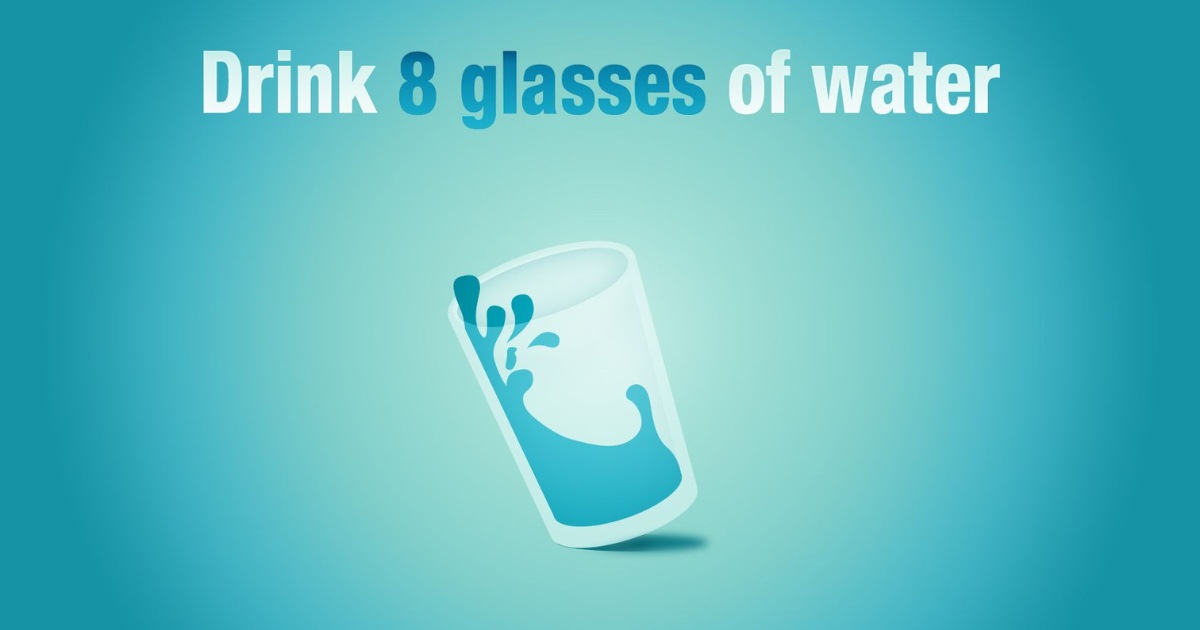
The body size, activity, and climate require most adults to take approximately 2-3 liters of water per day.
This isn’t a magic number. Before you even consider exercising, it is the minimum that your body requires to work effectively. You know, like bricks, you build the base before you can raise and get on top of it; you cannot lift more or get up quicker when the base is dry.
Hydration Before Exercise
Approximately, one or two and a half hours before a workout, take 500-600 ml (about 2-2.5 cups) of water.
This is guaranteed to make your body begin your session with a full tank. Exercising when you are already thirsty is like running a race with a half tank of gas in your car; everything is so cumbersome, painful, and slow.
Hydration During Exercise
- Small sips are sufficient in the case of 60-minute-long workouts.
- During longer or more intense sessions, targets are 150- 250 ml per 20 min.
It is not the intention to chug too hard. It is constant, uniform hydration, which keeps your muscles and brain at the optimum without distension or pain.
Hydration After Exercise
Water and electrolytes are lost in your body through sweat. It is important to replace them to recover.
- After exercise, replace about 1.5 times the fluids you lost through sweat.
- Include watery fruits and vegetables like cucumbers, melons, and smoothies to help your body recover fully and fuel your next session.
This is because proper hydration after a workout will make sure your muscles recover quicker, your muscles are less sore, and your next session is not beginning behind the hydration curve.
Water fuels your muscles, but what you eat fuels your progress. Discover simple meal prep tips to keep your body energized and ready for every workout.
Liquid Strength in Action: Hydration isn’t complicated. It’s not about drinking until you feel full or chasing extremes. It’s about giving your body the water it needs, when it needs it, so every drop of energy, every muscle contraction, every step can perform at its best.
Signs You’re Not Drinking Enough Water
Sometimes, your body whispers before it shouts.
You might not notice dehydration immediately, but it leaves subtle traces, small warnings that most people ignore until performance starts slipping.
Recognizing these signs early can make the difference between a workout that energizes you and one that drains you.
Dry Mouth and Thirst
The easiest, the most obvious message: your mouth is dry.
Thirst is your first alarm in your body. Not paying attention to it not only makes you feel uncomfortable, but it also slows your thinking and makes even light activities heavier.
A swig not only relieves, but it restores your strength in the middle of the workout.
Dark Urine
Your body doesn’t lie. Color tells a story.
With a darker yellow rather than the pale yellow urine, this is a sure indication that your body is dehydrated. Hydrating ahead of time avoids fatigue, cramping, and delayed recovery of muscles.
Headaches or Dizziness
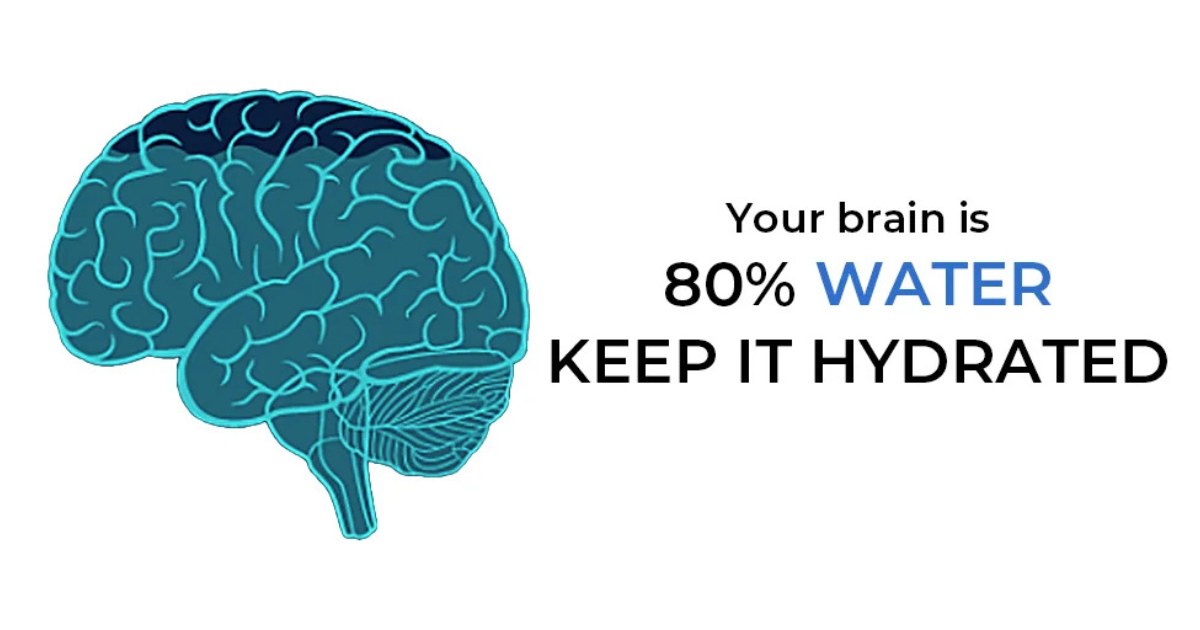
Mild dehydration has an influence on blood circulation to your brain and the supply of oxygen.
The Outcome: Headache/feeling light-headed or dizzy during exercise. Though minor deficits may make the common session a struggle.
Early Fatigue or Sluggishness
Your muscles start burning faster, your stamina drops, and your energy fades sooner than usual.
You might blame boredom or low energy, but more often than not, your body simply needs water. Denial does not make one stronger but weakens one.
Muscle Cramps
Water aids in the control of electrolytes and the contraction of muscles.
Dehydration may cause you to experience muscle cramps and take you out of the groove, as well as make your exercise more difficult than it has to be.
Liquid Strength in Action: Your body speaks in subtle ways. Learning to listen, through thirst, color, fatigue, or cramps, gives you the edge every athlete and fitness enthusiast craves. Water doesn’t force performance; it enables it.
Common Hydration Myths
In fitness, water is often misunderstood.
People repeat myths, following advice that sounds impressive but doesn’t actually help. These misconceptions can quietly hold back your performance more than skipping a workout. Understanding the truth about hydration allows your body to perform at its natural best.
“More Water Does Not Equal More Muscles”
Consumption of too much water will not automatically build muscle.
Water does not develop power; it helps the already existing power. The muscles require water to shrink effectively, transport nutrients, and rest appropriately. Responsible drinking doubles your effort, and excessive drinking is stressful without any advantage.
“You Only Need Water When Thirsty”
Your body is already to some degree dehydrated by the time you are thirsty.
When it comes to thirst, it is too late, you are halfway down the track, and you are behind. Proactive hydration is a way of making sure that your muscles, joints, and the brain are ready well in advance of the level of exercise you are going to do.
“Sports Drinks Are Always Better”
Sports drinks are suitable for long or very intensive exercise since they replace electrolytes.
However, in ordinary exercises, normal water suffices. Excessive consumption of sugary beverages is an unwarranted source of calories that does not affect performance. Effort should not be disguised but improved by hydration.
“Clear Urine Means You’re Overhydrated”
Although pale urine is a sign of good hydration, spending excessive time trying to achieve clear urine is self-defeating. Excessive water may reduce the concentration of electrolytes, causing a heightened tendency to cramps or poor performance. It is not a matter of extremes but of balance.
Liquid Strength in Action: Understanding these myths isn’t just knowledge; it’s power. Water doesn’t perform miracles on its own, but it enables your natural strength, focus, and endurance. Recognizing fact from fiction lets every workout reflect your true potential.
How Drinking More Water Improves Workout Performance
You’ve felt it before, the slump halfway through a workout, the energy that seems to vanish, the focus that drifts just when you need it most.
Proper hydration isn’t just about quenching thirst. It’s the hidden force that allows your body to perform at its peak, turning effort into results.
Enhances Muscle Function
Muscle contractions cannot happen without water. Every lift, push, or sprint depends on the effective working of muscles.
Muscles are more efficiently fed with nutrients and oxygen, and waste products are eliminated smoothly when the body is hydrated. This implies that all the movements are more fluid, powerful, and controlled. Without enough water, your muscles have to work harder to produce the same results.
Improves Endurance
Water helps in oxygen delivery and the production of energy.
Even slight dehydration minimizes stamina so that cardio will seem even more extensive, and workouts with high intensity will become heavier. When you drink adequate amounts of water, this will ensure that your body is in a position to sustain the efforts so that you can work longer without experiencing early fatigue.
Supports Mental Focus
Working out is more of a mind than a body thing.
Hydration keeps the brain active and contributes to concentration, coordination, and response time. And as long as your mind is clear, your body can follow through. Water deprivation slows down the thought process, coordination is impaired, and exercises become harder than they are supposed to be.
Speeds Up Recovery
Water aids in eliminating wastes and bringing nutrients necessary for repair.
Drinking water before, during, and after exercise speeds up recovery, reduces soreness, and prepares your body for the next session. Your work does not go to waste, but is enhanced.
Liquid Strength in Action: Drinking water doesn’t make you stronger on its own, but it unlocks your potential. It allows every muscle, every beat of your heart, every focused movement to perform as it was meant to. Hydration doesn’t replace effort; it magnifies it.
Hydration Questions People Actually Ask
Q1: How much water should I drink during a short workout?
A: For workouts under an hour, small, steady sips are enough. You don’t need to force large amounts. The key is consistency; hydration supports every contraction, every movement, and keeps focus sharp.
Q2: Can I drink too much water while exercising?
A: Yes, overhydration can dilute electrolytes, leading to cramps or fatigue. Balance is crucial. Drink enough to stay hydrated, but listen to your body, your muscles, and brain will tell you when it’s time.
Q3: Are sports drinks necessary for every workout?
A: Not usually. Plain water is sufficient for most workouts. Sports drinks are helpful for long, intense sessions where electrolyte loss is significant. For everyday routines, water alone delivers the “Liquid Strength” your body needs.
Q4: Is thirst a reliable signal for hydration?
A: Thirst is helpful, but comes too late. By the time you feel thirsty, your body is already partially dehydrated. Drinking proactively ensures your muscles, joints, and mind perform at their best throughout the session.
Q5: How do I know if I’m properly hydrated?
A: Check your urine color; pale yellow usually indicates good hydration. Other signs include steady energy, clear focus, and muscles that feel responsive, not sluggish. Learning these signals allows your body to communicate before fatigue sets in.
Q6: Can water improve my mental focus during exercise?
A: Absolutely. Hydration affects brain function, concentration, coordination, and reaction time. Even mild dehydration can slow thinking and reduce precision. Drinking enough water ensures your mind is as sharp as your muscles.
Liquid Strength Realized
You’ve felt it, the slump, the fatigue, the foggy focus. You’ve seen how something as simple as water can quietly shape every rep, every step, every heartbeat.
Fitness isn’t just about lifting heavier or running faster. It’s about listening to your body, understanding its needs, and giving it the fuel it truly requires. Water doesn’t shout. It doesn’t promise instant results. But it enables every ounce of effort, every moment of focus, every drop of strength you bring to the workout.
Every sip is a conversation with your body. Every drop is a chance to perform closer to your potential. Ignoring it doesn’t just make your session harder; it holds back the very power you’ve worked to build.
“Your limits exist only until you give your body the water and fuel it needs to rise above them.”