Some days don’t end when the clock says they should.
They follow you home.
They sit on your shoulders.
They hum quietly in your chest while the room is silent.
You drop your keys. You sit down. The noise of the day finally fades, but your mind doesn’t follow. It keeps replaying conversations, unfinished thoughts, and pressure you didn’t ask for. This is the moment when most people don’t want excitement. They don’t want competition. They don’t want to win.
They want relief.
Gaming, at its best, has never been about escape. It has been about a release. A place where the world slows down enough for you to breathe again. Where failure doesn’t matter. Where time softens. Where the controller becomes less of a tool and more of a comfort. If you’ve ever wondered why these experiences feel so deeply personal, we break it down in our detailed guide on why video games are more emotional than movies.
Some games understand this without saying a word. They don’t rush you. They don’t shout. They don’t demand mastery. They simply meet you where you are, tired, overwhelmed, quietly searching for something steady.
These are not games you play to prove anything.
These are games you play when the day has already taken enough.
This list isn’t about difficulty, graphics, or hype. It’s about how a game makes you feel when the lights are low, the room is quiet, and you finally allow yourself to slow down.
These are 10 games that feel like therapy after a long day.
To understand why certain games stay with us emotionally, and why we connect deeply to characters that comfort, challenge, or accompany us, explore this deeper look at emotional attachment to game characters.
Why Games That Feel Like Therapy Matter After a Long Day
Journey
Words are not always required in healing.
Language fails you on some days. You already know it is heavy, but you do not want advice and do not want noise. You would like to pass on without any interrogation.
Journey knows this subconsciously.
Starting as it does, it does not swamp you. No tutorials. No cluttered objectives. No voice to say to you what to do. Nothing but a big desert, farther mountains, and a small figure that takes a step because that is what it should be.
Performance is not requested in Journey. It asks for presence. You walk, slide, and float. The sand is soft under your feet, and the music goes up and down to get you on your feet. Each movement is deliberate, slow, and respectful of your speed.
Even the multiplayer is soft. There is another player, they do not talk, compete, or injure. They’re just… there. A common room, some subtle reminder that friendship requires no dialogue.
It doesn’t feel like a victory when you take flight, when the music swells and carries you into the air, but like relief, like finally breathing out after a day of holding it in.
Journey is not merely a game to play. It is an area to greet exhaustion with the cushion of a silent ally when the day has already had enough.
The Breath Between Steps: A quiet space where the day’s weight is acknowledged, not rushed, a gentle reminder that healing can happen one soft step at a time.

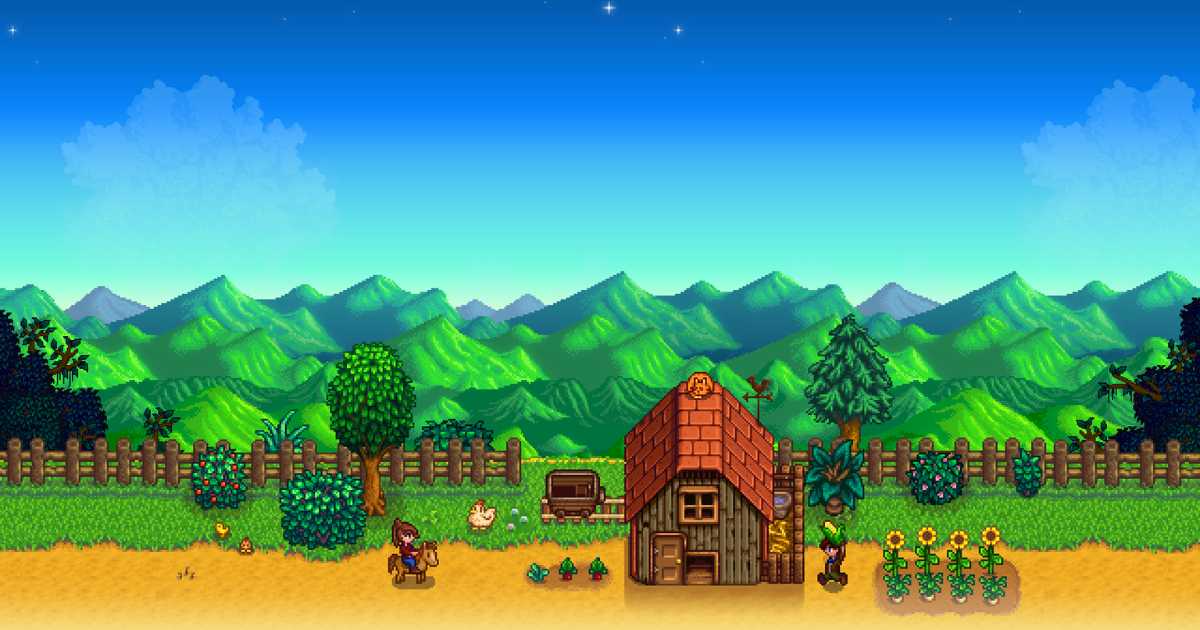
Stardew Valley
Healing in the rhythm of small things.
There are days when the weight is too heavy to put into words. Life presses in, deadlines pile up, and the mind refuses to quiet down. During those days, Stardew Valley is not just a game anymore; it is a place to breathe in once again.
Sowing a seed, watering a farm, inspecting animals… These aren’t chores. They are silent displays of concern, little wins, which do not require more than a simple presence. The world happens as you want it to. When to fish, when to roam, when to sleep, you choose. No time to hurry, no time to run. Only the soft beat of life.
Even the seasons pass with a quiet delicacy, and time slips by without notice. There are festivals and no festivals, village people talk, life goes on, gently, kindly, patiently. You are not in a pursuit of perfection; you are just a part of the world that is not in a hurry with you.
Stardew Valley realizes that therapy does not necessarily need to be loud. Sometimes it has to be about the normal that cures, the focus that soothes, and a space where you can exist without proving anything. That quiet connection is why certain games linger in our minds long after we stop playing, something we explore deeper in why games stay with us years later.
The Calm of Small Things: A world where care is quiet, and progress is gentle, a reminder that healing often comes in tiny, intentional steps.
Abzû
The sea knows the shape of your thoughts.
Even when nothing is happening, the weight is still there.
Thoughts go in circles. Anxiety swells. Tension settles into your shoulders.
This is the moment when Abzû becomes a refuge.
Even the initial dive brings you into a fluid, infinite realm of the game. The water envelops you, sweeps you about in every turn to even greater depths. You aren’t racing. You aren’t timed. You are simply… moving. Light and shadow drift together, and gentle streams carry you forward, surrendering you to the current.
Each passing fish, each school of twisting harmony, each ray of sunlight penetrating the surface of the water seems like a sigh of relief. This is a natural balance, a choreography not meant to impress but to soothe. The world is alive and will never require any attention. You see it the way you desire to, and not the way it wants to.
Abzu also speaks in silence. No chattering to interrupt you.
The soundtrack isn’t music in the usual sense.
It’s an emotional undertone, rising and falling with your movement.
Warm waters surround you. A fin cuts gently through the current.
Stress loosens its grip.
And there are discoveries too, unknown ruins, unseen creatures, small moments of light and shadow that unfold as you play. These are rewards not for skill or mastery, but simply for being present. You notice that you are here. You are moved, carried along by the game’s gentle rhythm, without rush, without fanfare, with a quiet grace that feels entirely your own.
Abzu does not cure using words or goals. It is healing because it provides you with time to live. It is a reminder that the world can be gentle, motion can be painless, and despite the hardest days, one can always fly.
The Flow of Quiet: A sanctuary beneath the waves where tension dissolves, and calm returns, proof that sometimes the gentlest therapy is movement itself.

Firewatch
Spending time in the story, feeling each step as it unfolds.
And there are days when your mind feels crowded, questions left unanswered, words repeating themselves over and over. You don’t want noise. You don’t want chaos. You just want a space where you can exist without judgment.
Firewatch is that place.
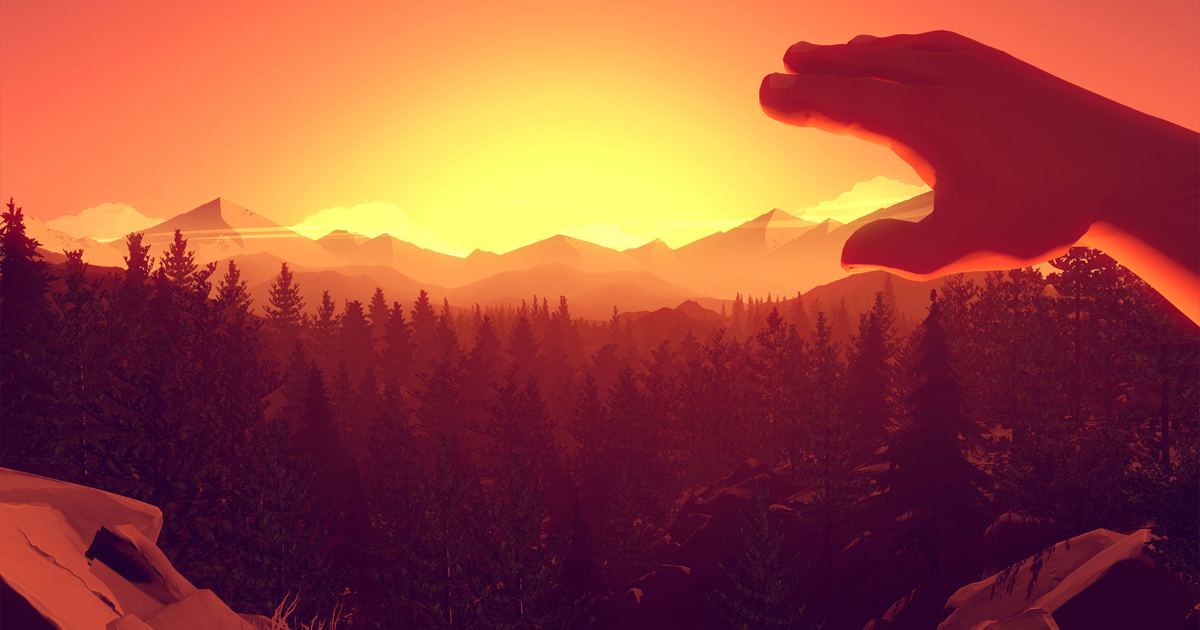
You step into the vast Wyoming wilderness, alone atop a lookout tower, gazing over a forest that stretches endlessly, full of hidden paths no one has yet discovered. The wind passes by the pines, and all the sounds, the breaking of a branch, the singing of a bird, the rustling of leaves, all seem to be alive, purposeful, and even relaxing. There’s no rush here. The game does not require one to win, climb, or conquer. It is just there, and it tells you to live with it.
Your conversation with Delilah, the only human being you interact with by radio, is soft, close, and leisurely. It does not pressurize or dramatize tension. It reflects the rhythm of real life: detentions, hesitations, some moments of humour, short confessions, mutual loneliness. It is deeply reassuring to be able to discuss with someone even halfway across the world, who is not looking at you, but seems to know.
Firewatch exploration is a meditative process. You go up mountains, look over precipices, and walk in the woods. Each step feels deliberate. Every discovery, every buried note, every breathtaking panorama feels like a quiet reward from the world, not a judgment, simply for taking your time.
Even danger feels secondary. There are threats, which are not always present. They are a reminder that there is a limit to the world, that there is something to lose in life, but the nature of the struggle is in itself, and not the panic of life.
The lesson of Firewatch is not very obvious; sometimes, the silence is not the therapy you require. It is sometimes a voice, sometimes a story, sometimes a view that, in a gentle but effective way, puts you back to your own serenity. It is a lesson that, when approached carefully, connection, whether human or otherwise, can be gentle and healing.
Whispers in the Pines: A space where every step matters, every sound is felt, and the world gently reminds you that being present can be the most healing act of all.
Gris
Healing through color, motion, and sound.
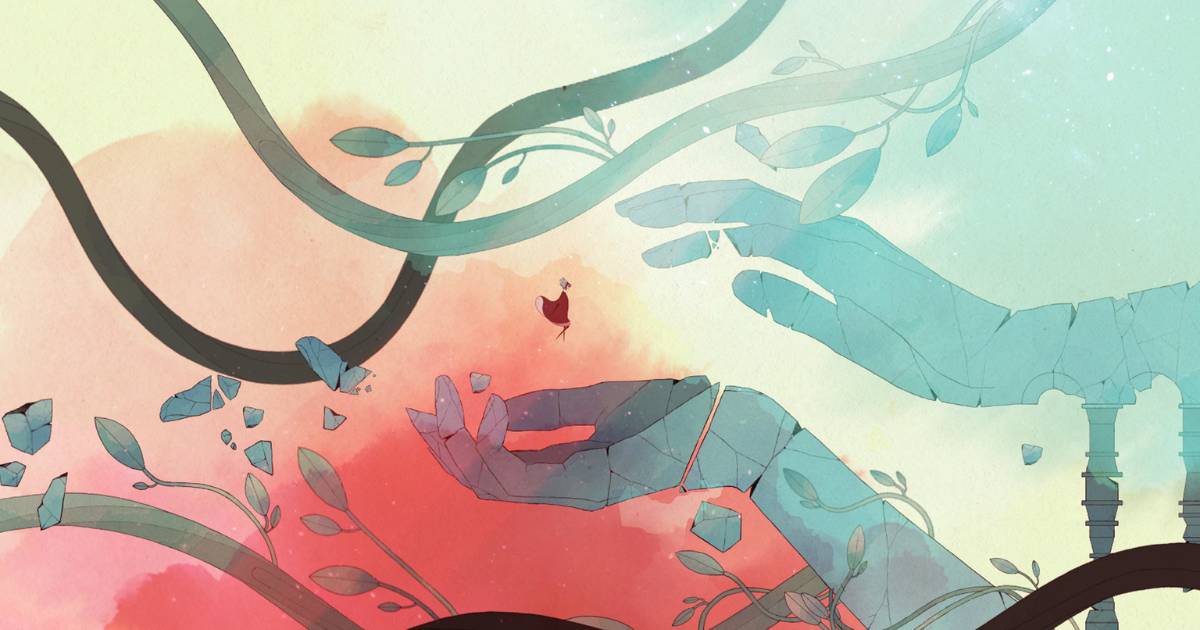
Some days, words aren’t enough. Emotions are heavy, disintegrated, and unnameable. There’s no need to put your feelings into words in Gris; the game lets you experience them visually, musically, and physically.
As soon as you enter the world of Gris, you get to experience a narration without dialogues, without pressures, without rules. All the movements, the leap, the glide, the climb, are flowing and instinctive. As you move, the scenery changes and suddenly becomes more vivid and rich in color. These are not just beautiful colors, but they are a reflection of the sentiment of healing. Hope is a thin ray of light, as it comes out of a storm.
The puzzles are not stressful; they are considered rhythmic. You are not so caught up in your head that you race your heart. It has a poetic patience which is inherent in every screen, in every ascent, in every fall. Gris doesn’t ask for speed; it asks for attention, presence, and the willingness to truly feel.
This emotional experience is enhanced by music and sound design. Every note, every swell, every pause flows in harmony with your mood. The game is a reflection of the soul: as you are tired, it becomes slower. When you are overwhelmed, it helps you move slowly on and have time to recover.
Gris is not about winning and losing. It is slowing down, it is not rushing, it is feeling sad, it is wondering, it is having fear, and it is being happy, but not in a judgmental way. It makes therapy, in its silent, lyrical manner, a reminder that growth can be delicate, beautiful, and frail.
Colors of the Heart: A journey through grief and hope, where each step and each hue reminds you that healing can be slow, gentle, and transformative.
Animal Crossing: New Horizons
Finding peace in the quiet rhythm of simple, unhurried moments.
There are days when your head is in a hundred pieces, and your strength has been forced out of you. The outside world requires focus, speed, and flawlessness. Animal Crossing: New Horizons is an escape on such days: time is slow, you are living at your own speed.
The game promotes gentleness from the moment you arrive at your deserted island. You lay out the flowers, and you irrigate crops, and you buy the furniture, and you patrol villagers, all little, purposeful things that lead to an attainment of a quiet kind. Nothing is urgent. Nothing is judged. The world is anxious to see you lose your time.
The villagers themselves are reassuring people. The villagers’ warmth, humor, and quiet curiosity never demand more from you than you’re able to give. Any communication is like a gentle chat with a friend, the assurance that someone is paying attention even when you are most silent.
The seasons change gradually, festivals come and leave, and your island develops in a slightly different manner, which shows that you are taking good care of it. Animal Crossing suggests that to progress, one does not have to be loud or stressful. It may be gentle, gradual, and very fulfilling.
The soundtrack, including the movement of the leaves and the soft music in the background, harmoniously coincides with the rhythm in which you move. Mindfulness is promoted in every sound, every motion, every minute detail. It turns into a game that is easy to play, easy to think, and easy to be who you are again, without having to think about your problems.
Animal Crossing is not simply a game, but a place where it is possible to keep your own schedule and take a breath when the world seems to be overwhelming.
The Rhythm of Calm: A gentle island where every small action heals, and time flows according to your pace, a reminder that serenity often comes in tiny, deliberate moments.
Flower
Floating through the smooth air, flower after flower.
Tension can sometimes feel like a heavy load on your chest. There are noises, deadlines, and concerns all over your mind. Flower pursues another form of therapy, not dialogue, challenge, but movement, presence.
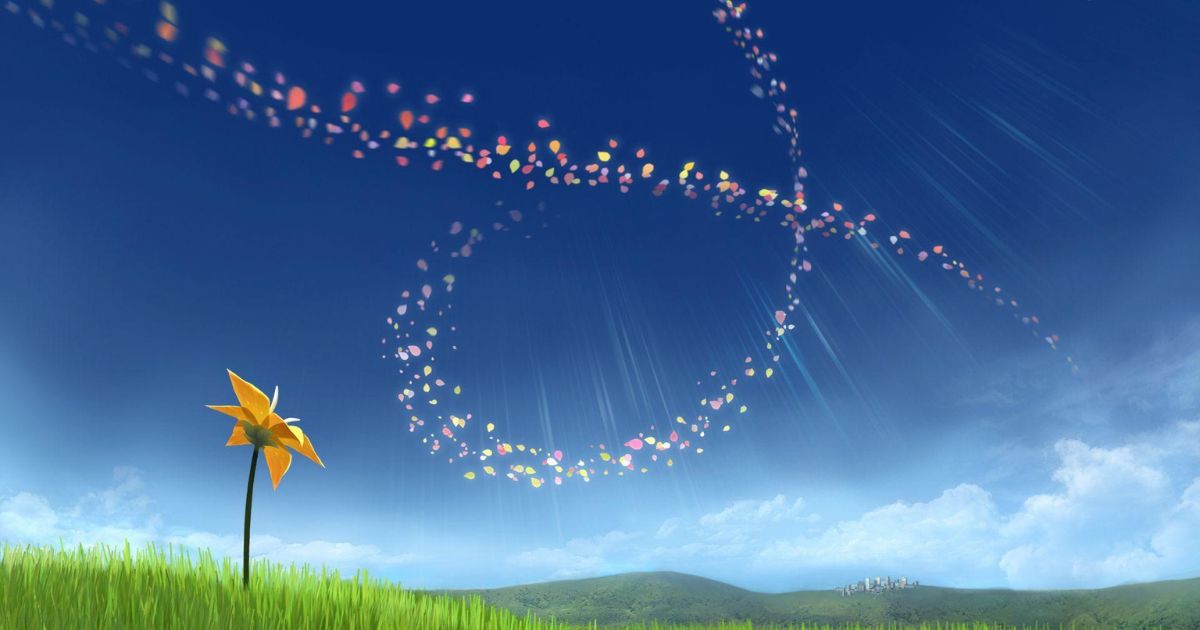
The game encourages you to relax from the moment you pick up the petals that have been blown by the wind. You must sail through meadows, mountains, rivers and pick up petals, which are trailing you like encouragement. There’s no urgency. No score to chase. Nothing but the simple bliss of movement and affiliation.
The world in Flower is not a dead thing. Bloom, pass, shift, change, all the mountains change, and so do you. It is a fine balance between domination and submission, in which you experience both the presence and freedom at the same time. All the glides, ascents, and descents are a reflection of the pace that your body is longing for after a strenuous and stressful day.
Music and visual clues concur with one another beautifully, forming a symphony of serenity. It’s subtle, yet deeply moving. It does not command you to take your time in the game, but you feel it, as though the world had become alive, and was breathing with you.
Flower is a lesson that does not necessarily require words, goals, and tangible results. There is even the mere process of going through space, seeing the beauty, and letting it take over your mind.
Petals in the Wind: A gentle reminder that healing can be effortless, carried on quiet currents, and that sometimes the simplest motions bring the deepest calm.
Alba: A Wildlife Adventure
Looking for peace in little, conscious deeds.
There are days when you are buzzing in your mind, your energy is piecemeal, and the world is too noisy. During such days, Alba: A Wildlife Adventure is not just a game; it is a peaceful haven.
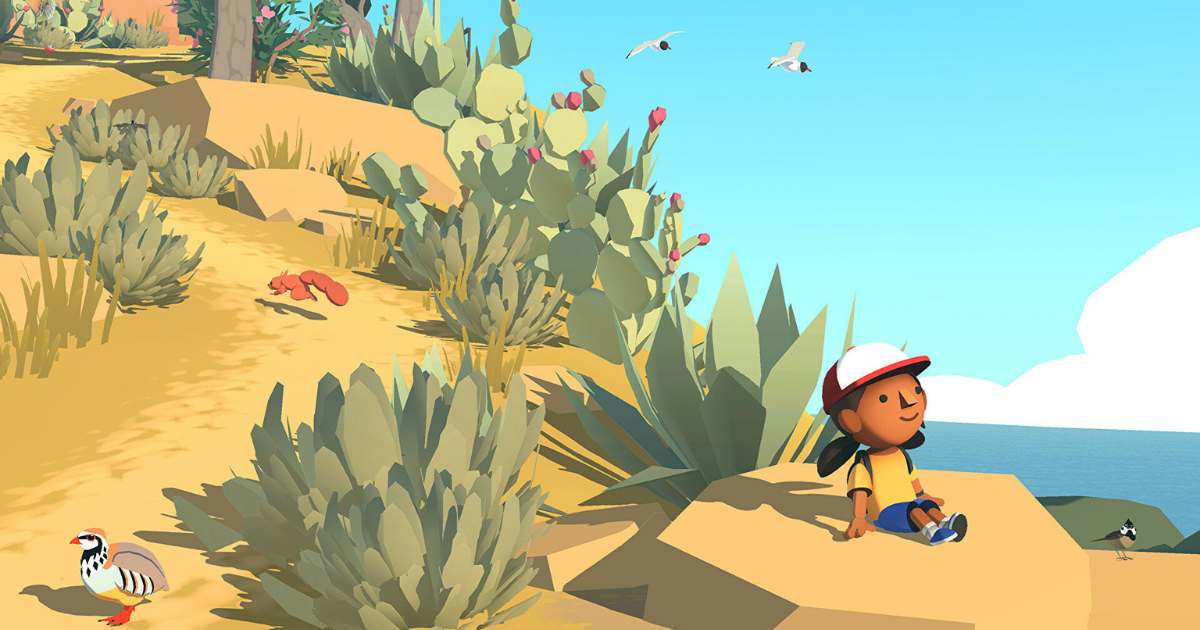
You’re free to slow down from the very first step on the sunlit Mediterranean island. You discover beaches, forests, and secret places, and you see things that you would not have observed in the hustle and bustle of daily life. The birds, the trees, the sound of the rustling leaves, they are alive, and move at the same rate that you require of stillness.
Alba is built around the power of small, mindful actions: photographing animals, rescuing wildlife, tidying the island. None of it feels like a chore. Everything is a little gesture of caring, an opportunity to re-establish contact with the surrounding world, and that slowing down makes coming back more important than speed.
The atmosphere of ease is also added by the villagers, faint dialogue, and the background music. Nothing rushes you. Nothing measures how you are going. The game does not rush anything, allowing you to meander, rest, and meditate. Even the simplest actions, tossing food to a bird, planting flowers, rescuing an animal, feel meaningful and rewarding on their own.
Alba: A Wildlife Adventure explains that sometimes therapy does not have to be loud and aggressive. It is occasionally silent, gradual, and very gratifying. It is a world that reminds you, after a long day, that you can make a difference, even in a small way, without fear of being in a hurry.
The Quiet of Care: A sunlit island where every small action heals, showing that mindfulness and gentle effort can restore calm in ways big achievements never could.
Spiritfarer
Learning to let go, one tender farewell at a time.
There are days marked by a quiet ache, moments of looking back, of loss, of longing, that don’t ask for solutions or explanations. Spiritfarer comes to behold you in that place and provides a world that is gentle, considerate, and relaxed.
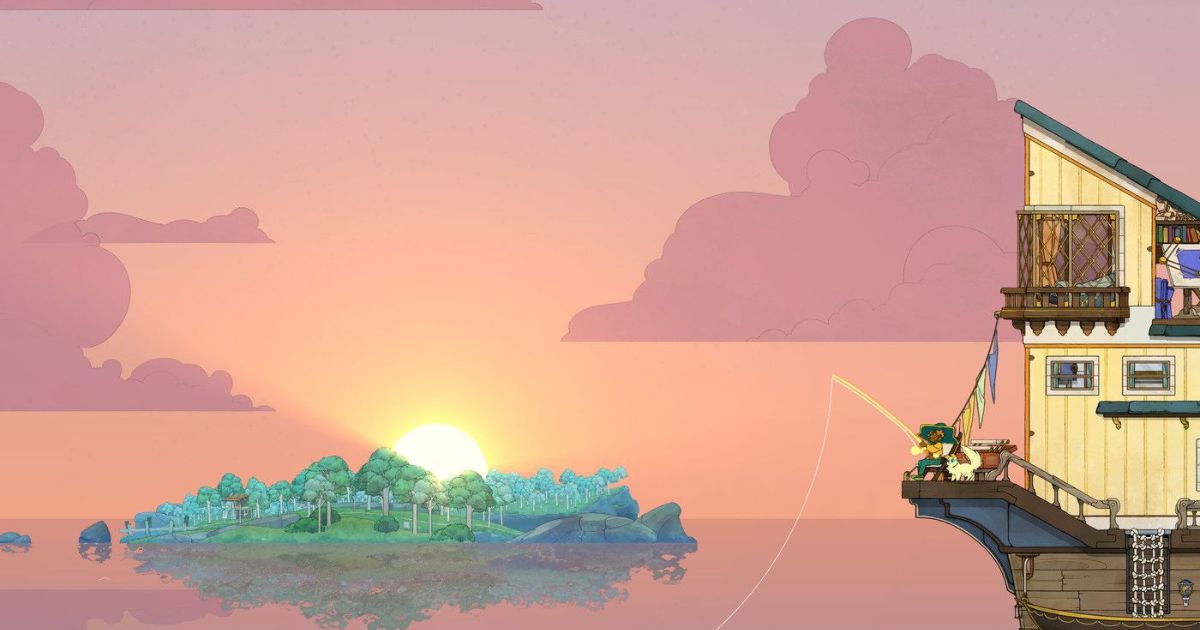
You are Stella, who is helping souls to their last destination. The premise may sound heavy at first, but the game itself is gentle, warm, and quietly humorous. Preparing food, constructing buildings, sailing on smooth seas, such things are easy, routine, and highly satisfying. They produce a beat, which makes your mind go slower and cools your soul.
Behind every ghost, there is a story, a personality, and a lesson about life, love, and letting go, and it is soft. The dialogues are gentle, pensive, and never hurried. You do not get assignments to complete tasks and earn points or standings, but just because they are important in a very silent, human sense.
The music is softly floating under each scene, the images are tender and welcoming, and even the world as a whole would like to breathe with you. Cruising between islands, observing sunsets, taking care of ghosts makes a meditation, a lesson that in some cases, curing can be a part of being watchful, patient, and compassionate.
Spiritfarer is not about avoiding pain; it is about accepting it and being at peace with the small process of care. It reminds you that healing doesn’t have to be clinical; sometimes it happens quietly, alongside others, even when that connection exists only online.
Sailing Through Solace: A journey where care, patience, and reflection guide you, showing that sometimes the gentlest acts can heal the heaviest hearts.
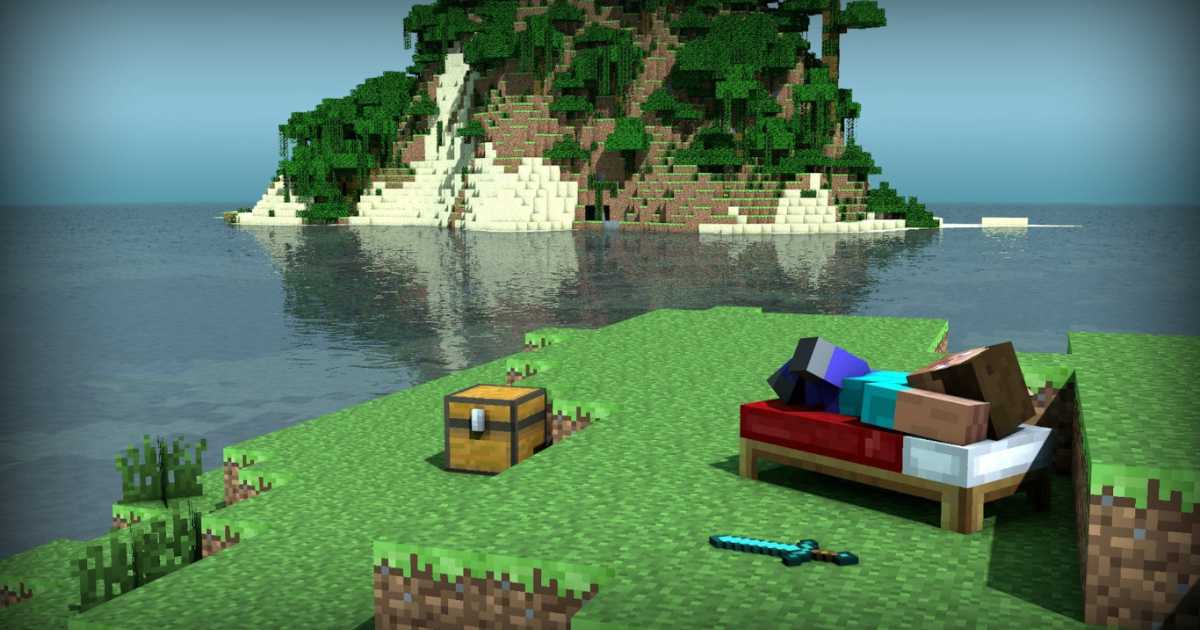
Minecraft (Creative/Peaceful Mode)
Building calm, block by block.
Other days, it is too hectic, the world is too fast, too loud, too demanding. Creative or Peaceful mode, Minecraft as a game provides something incredibly different: a place where you make everything, and the rules are limited to what you decide to implement.
It is not a game of fighting or difficulty, but of being free to create and explore peacefully, and here the beauty of Minecraft lies. You can construct tall buildings, venture across infinite sceneries, or just roam around in a world that bends completely at your own desire. There is no need to live, no rush to get anything done, just the soft fulfillment of making your imagination come true.
Each block is placed, each path shaped, each garden gently tended. You are not running against the clock, and you are not competing with other people. You are merely here, making a world to reflect your vigor, your temper, and your purpose.
The meditative effect of the ambient sounds, the gentle rustle of the grass, the wind, and birds in the distance, also contributes to the meditative effect. Minecraft enables the mind to be slow, concentrate, and relax. It is a place where weary hands and busy minds may rest, and even creation itself is a sort of therapy.
On a day when everything is pressing upon you, Minecraft serves to remind you that you can be in control, have imagination, and stay relaxed, and that sometimes the most relaxing experience can be found in building block after block, without much noise.
Blocks of Peace: A limitless world where creation heals, imagination restores, and every quiet moment is an opportunity to rebuild both your world and yourself.
Thoughts Between Levels
Q1: Can games really help me unwind after a stressful day?
A: Absolutely. Games like Journey, Abzû, or Alba aren’t about achievements or high scores; they’re about presence. They give your mind room to breathe, your thoughts time to settle, and your emotions space to flow. Playing isn’t escaping reality; it’s finding a quiet corner within it. Studies even show that playing video games can help reduce stress and improve mood (WebMD), giving your mind space to reset after a long day.
Q2: What kind of games work best for stress relief?
A: Games that respect your pace, reward small actions, and immerse you in calming worlds. Think exploration, creative building, gentle story-driven experiences, or rhythmic gameplay. The common thread isn’t graphics or hype, it’s emotional resonance and freedom to exist without pressure.
Q3: Can fast-paced games ever feel therapeutic?
A: Sometimes, yes, but only when approached intentionally. Fast games like platformers or action titles can be therapeutic if played mindfully, at your own speed, focusing on flow rather than competition. But for most people, after a long day, slow, reflective experiences are more reliably calming.
Q4: How long should I play for it to feel like therapy?
A: It’s not about time. Even a short session, 10–20 minutes of gentle exploration or creative activity, can help your mind reset. The key is engagement, presence, and permitting yourself just to be.
Q5: Is it okay to play games to feel better, not for fun or skill?
A: Absolutely. Gaming isn’t a performance; it’s an experience. Using it for emotional release, mindfulness, or quiet joy is as valid as playing for achievement or social connection. Sometimes, feeling better is reason enough.
Q6: Are mobile games effective for this kind of therapeutic experience?
A: Yes, if they’re designed for calm engagement. Titles like Alba, Stardew Valley, or Animal Crossing work beautifully on mobile, letting you carry your little sanctuary wherever you go. The principle is the same: slow pacing, gentle goals, immersive world.
From Pixels to Peace
Where the day ends, and quiet begins.
The world outside your door doesn’t always slow down. It doesn’t wait for tired minds, heavy hearts, or worn-out hands. And yet, within the glow of a screen, in the gentle rhythm of a game, you can find a space that does.
A place where the weight of emails, deadlines, and endless responsibilities melts just enough for you to breathe. A space where you can walk through deserts, dive oceans, rescue wildlife, or build a home from blocks. A place where progress isn’t measured in numbers, but in moments of calm, presence, and quiet joy.
The games we’ve explored aren’t about achievement or high scores. They are invitations: invitations to slow down, to notice, to feel, and to exist. To remember that healing doesn’t always come from action, but from attention, attending to yourself, your mind, and your emotions.
In these worlds, even the smallest gesture, a rescued animal, a blooming flower, a drifting petal, becomes meaningful. They teach us patience, care, and the beauty of slow progress. They remind us that sometimes, after a long day, the most profound victories are silent and gentle.
And when you finally set down the controller, when the music fades and the pixels dim, the peace you’ve carried within those worlds lingers. A quiet reminder that you can return anytime. That calm, presence, and restoration are never out of reach.
“Games aren’t just played, they are spaces where the mind can rest, the heart can breathe, and the soul can walk freely.”