Long before gods trembled at his name… before Olympus burned beneath his rage… There were simply two boys in Sparta.
The air was harsh. The land was unforgiving. Strength was not admired in Sparta; it was expected. From the moment a child could stand, the world around him demanded resilience, discipline, and courage.
Among the countless Spartan children training under the brutal traditions of the agoge were two brothers.
Kratos and Deimos.
They fought side by side, bled on the same training grounds, and endured the same relentless trials that shaped every Spartan warrior. To the outside world, they were simply sons of Sparta, raised in a culture that worshipped strength and feared weakness.
But between them existed something stronger than Spartan steel.
Brotherhood.
In a land where compassion was often buried beneath duty and survival, the bond between Kratos and Deimos stood quietly defiant. They were not just warriors in training. They were brothers who understood each other’s struggles, shared each other’s pain, and pushed each other to endure the impossible.
Yet destiny rarely allows peace to last in the world of gods and monsters.
What began as the story of two brothers growing up in the brutal heart of Sparta would eventually echo across myth and legend. Choices would be made. Prophecies would be whispered. And the lives of these two Spartan boys would become tangled in the schemes of Olympus itself.
One brother would become a symbol of fury.
The other would become a memory that never truly faded.
And somewhere within that tragedy lies a truth often overlooked in the legend of Kratos: before he was known as the Ghost of Sparta, before he became a god killer, he was simply a brother trying to protect someone he loved.
God of War: Sons of Sparta brings players back to that forgotten beginning, to a time when the fate of Olympus had not yet been written, and the story of Kratos was still being forged in the shadows of Spartan training grounds.
Because sometimes, the most powerful stories in a legend are not about the battles fought against gods…
…but about the bonds that shaped the warrior long before the world learned to fear his name.
Before the Ghost of Sparta
Whenever individuals hear the name Kratos, the image that comes to mind is of the warrior the world came to fear.
The man who toppled gods.
The Ghost of Sparta.
The overwhelming power that brought Olympus to its knees.
But legends seldom start at the place we first encounter them.
Very much earlier than the messiness, before the fights with the gods and titans, Kratos was just a boy living in the harsh places of Sparta. In Sparta, childhood was short, and weakness had no place in a warrior’s life.
In Sparta, boys were not brought up to live well.
They were raised to survive.
From childhood, Sparta’s children were to endure the harsh training called agoge. It was a world of discipline, anguish, and hardship. Hunger was common. Comfort was rare. Every challenge was designed to strip away fear and replace it with strength.
To most boys, the agoge was a trial.
For Kratos, it was a beginning.
He trained with the same relentless determination he would one day become known for. Every blow, every fall, every exhausting hour made him stronger. The world was already shaping the warrior he would one day become.
Yet Kratos had not had to endure those early tests, single-handed.
His younger brother, Deimos, was next to him.
Where Kratos carried a fierce and restless will, Deimos balanced him with a quieter strength. Their bond was forged in the dust of Spartan training grounds, built through battles fought side by side and the silent understanding that only brothers share.
They caught and drove each other.
When one had a hard time of it, the other was not going to allow him to lag.
That was their best weapon in a world that demanded strength to survive.
But destiny plays a bizarre game with power, transforming it into a tragedy.
What appeared to be usual training in Spartanism was slowly steering both the brothers towards a fate which was far more and far otherwise than anything each had dared imagine.
High above the mountains of Sparta, the gods of Olympus were already watching.
A prophecy had reached them that one of these brothers would one day destroy a deity.
From that moment on, nothing would ever be the same.
The life of Kratos and Deimos was no longer the tale about two Spartan boys aiming to be warriors.
They were getting something much more dangerous.
They were even threatening Olympus itself.
For those wanting to experience these earliest battles in modern form, check out our guide on the God of War Trilogy Remake to see how Kratos’ legendary beginnings have been brought back to life.
Brotherhood Note: The bond between Kratos and Deimos reminds us that even in the harshest trials, loyalty and trust can become the most powerful weapons. Strength is not just physical; it’s the courage to fight for someone you love.
Two Brothers Raised in War
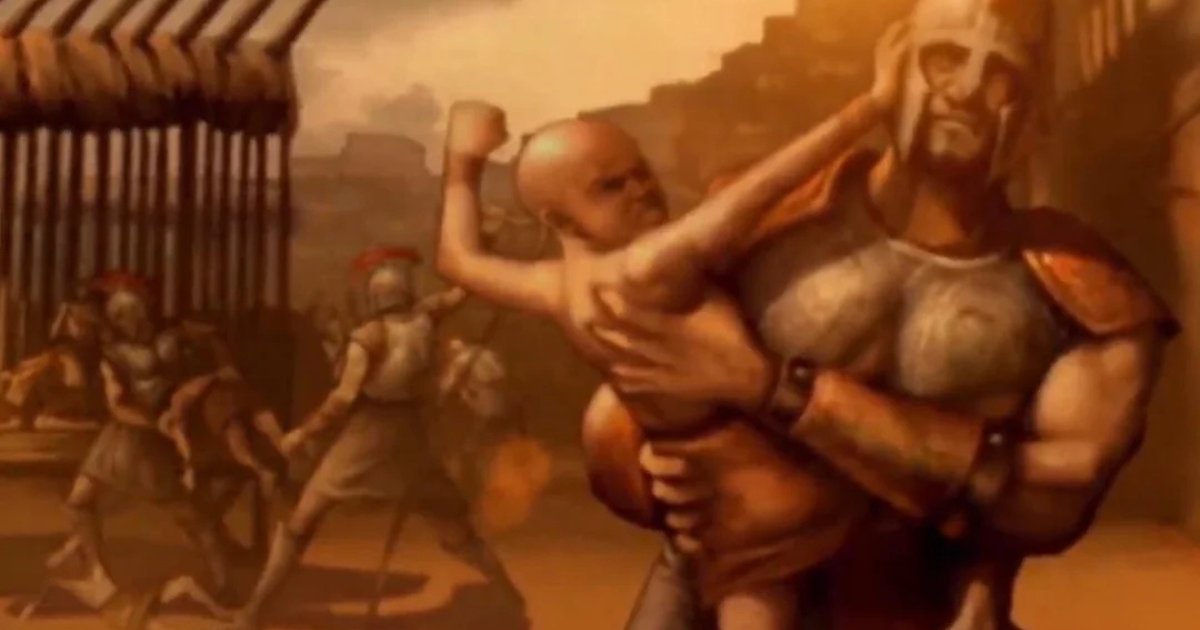
Kratos and Deimos did not have an easy life. Sparta was unkind; it was a country where only the strongest survived, and day by day, they had to prove that they were courageous. During the day and night, the brothers would go through drills that would shatter those weaker boys, learning how to move in a very precise manner, how to punch hard, and how to take pain without any kind of flinching.
All the hurdles encountered along the way, such as cruel training exercises on the field and staying up during the night to stretch their limits, united them. In one place, he was weak, and in the other, he was strong. Where one was burning with frustration, the other cooled the fire. Against the backdrop of a world constructed on discipline and survival, their relationship was a silent protest against viciousness.
It was not only physical; it was a test of the spirit. There was never a time without hunger, exhaustion, and fear. But in such a fight, Kratos and Deimos had a tune, a bond that was beyond counting by any Spartan ruler. Through shared struggles and a quiet understanding of each other’s fears, their brotherhood was truly forged.
The brothers defended whatever small bit of innocence they managed to save, despite the cruelty that the world around them required. When they had to laugh, they laughed, when they had to fight, they fought, and when the burden of Sparta threatened to overpower them, they linked one another.
This harsh upbringing was creating more than just fighters. It was shaping two spirits who would one day face gods, monsters, and prophecies they could never have imagined. Every experience from those early years would become the foundation of who Kratos would be: a warrior, a survivor, and eventually a legend.
Brotherhood Note: True strength is not forged alone. Kratos and Deimos show us that even in a world built on war, resilience is multiplied when shared with someone who understands you completely. Brotherhood is a power that can survive trials, tragedy, and even the interference of fate itself.
The Spartan Bond That Defined Kratos
The virtue of Sparta was in acts, in perseverance, in the power to resist when other men faltered. For Kratos, never having to face survival alone was a strength. He fought alongside someone who understood the cost of every blow, every wound, every scar.
The relationship between Kratos and Deimos was not just that of brothers. It was a mirror. Every problem they had to go through was a problem of their physical abilities, but also their hearts, fears, and intent. Where Kratos was strong and undaunting, Deimos was a patient and subtle strategist. They were invincible together, a unity of fire and concentration, which had been made in the smoke of Spartan battles.
It was during quiet moments as well that its bond was shown to have depth. A glance across the training yard, a hand extended after a painful fall, a whispered word of encouragement amid grunts and blows, these were the invisible threads that bound their souls. The brothers relied on each other more than Sparta demanded of its warriors, needing loyalty, trust, and understanding in a way no training could teach.
All the lessons, all the scars, all the victories gained with difficulty in the Spartan training grounds were a brick in the wall of the identity of Kratos. He was taught to fight, yes, but of greater significance, he was taught the reason why he fought and to whom. Deimos was not a mere friend, but the measure of Kratos’ bravery, a living reminder that bravery without feeling was nothing.
It was this invisible bond that truly made Kratos mighty, even as the gods watched, schemed, and whispered prophecies from above. It was not anger or strength alone that shaped him, but the devotion in his heart, forged from blood, sweat, and brotherhood.
Brotherhood Note: The truest strength often lies in connection. Kratos and Deimos teach us that no matter how harsh the world may be, the courage to stand for someone else can define a warrior more than any weapon ever could.
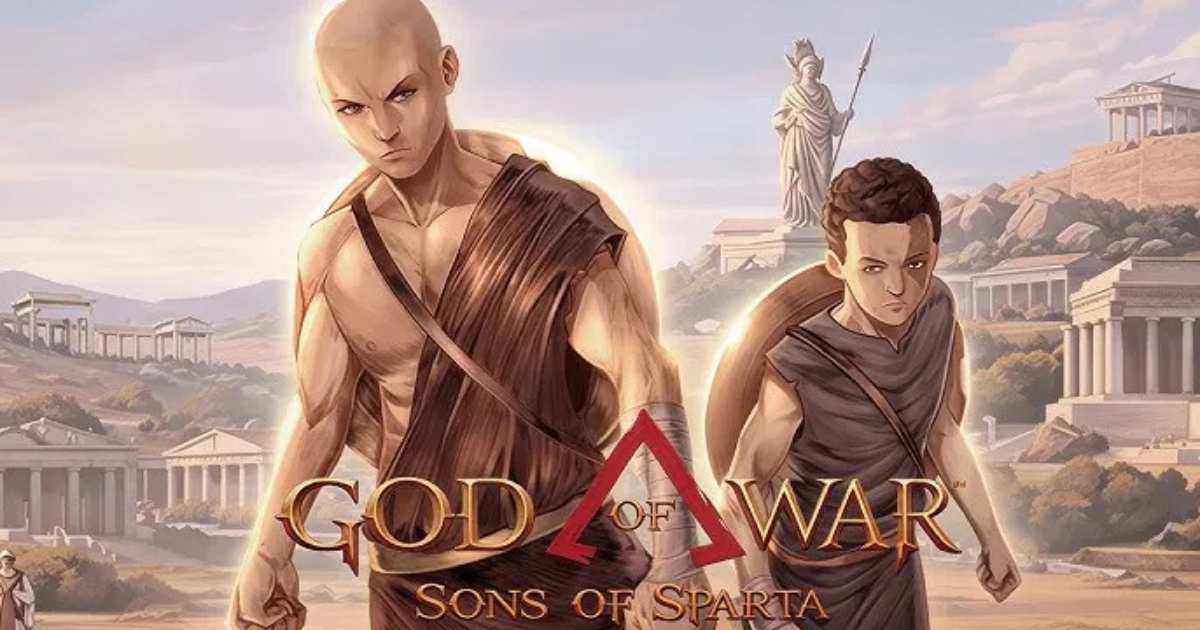
Why God of War: Sons of Sparta Is a Different Kind of God of War Story
When a fan hears God of War, they imagine movie-style battles, mighty gods, and expansive 3D scenery. Sons of Sparta approaches the story differently, yet it delivers the same emotional resonance that has made the franchise iconic.
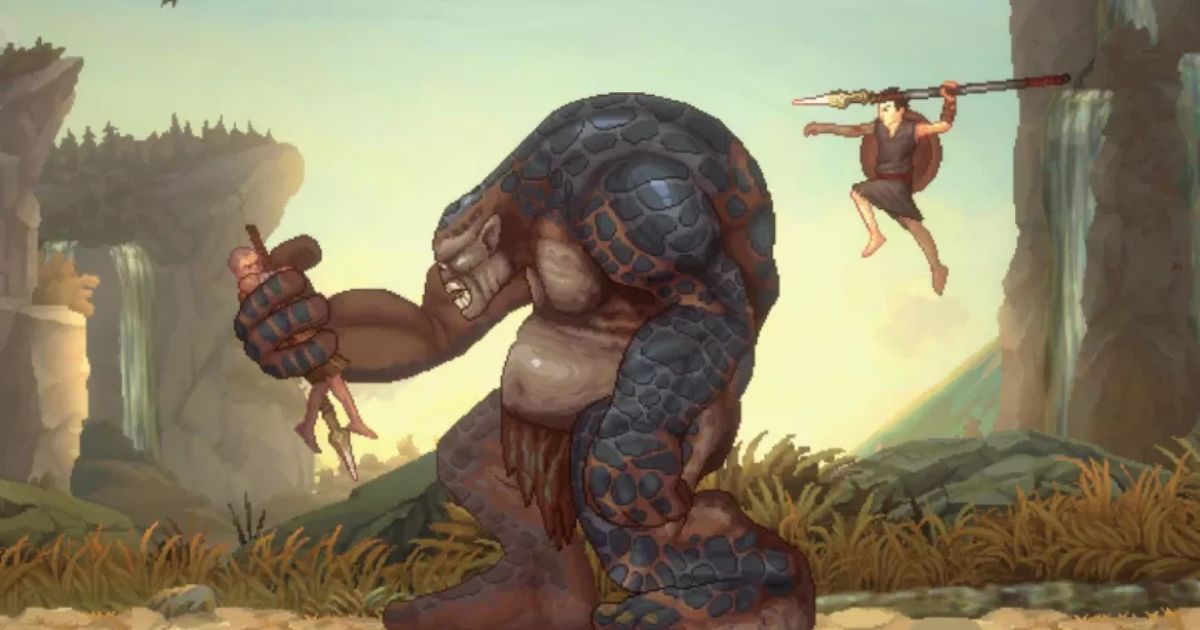
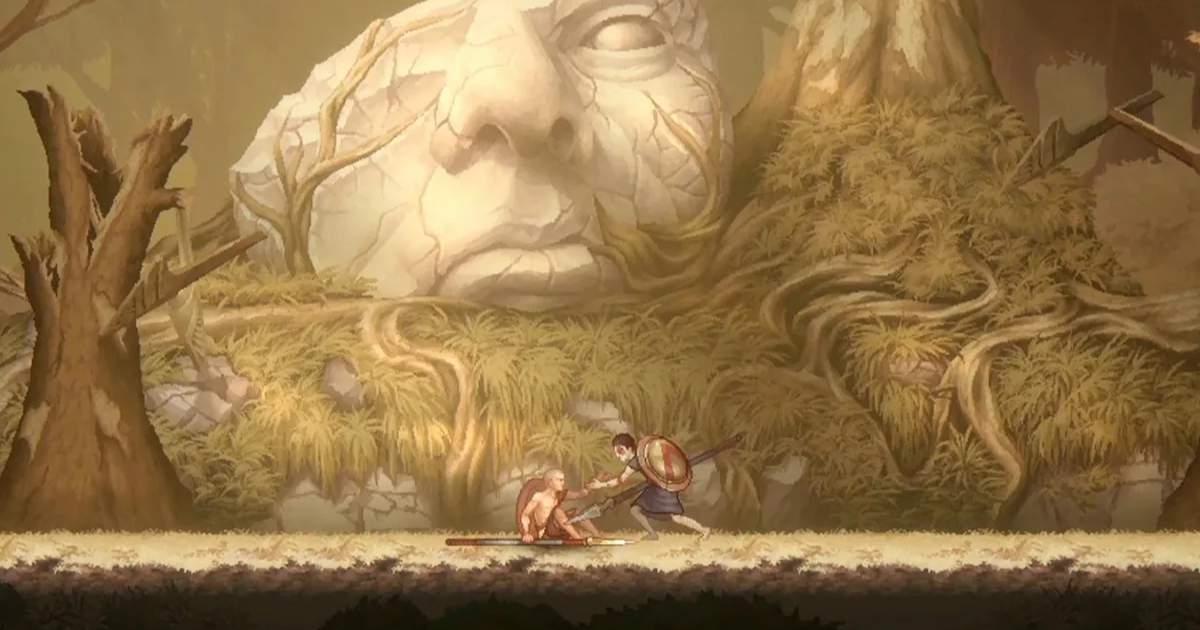
This isn’t just a prequel. It’s a reinvention. The game is in a 2D Metroidvania format, and it encourages its players to discover, fight, and unravel the narrative of Kratos and Deimos in a manner that the main series never gave them. Each platform, each puzzle, each secret way is added to the narrative, a canvas, in which the relationship between Spartan brothers is drawn with every single movement, each challenge, each victory.
Combat feels intimate. Every blow of Kratos with his spear, every collision of shields with the opponent, is accurate, intimate, and internal. The smaller size does not diminish the stakes; it only increases them. Players experience all the hits, stumbles, and steps of the characters. And at such points, the sequence of brotherhood is not narrated with the help of the cutscenes only; it is lived, experienced, and discovered.
Discovering turns into narration. Not only enemies but memories, trials, and even the environment of Sparta itself can be seen in the rooms and corridors. Dark corners and hidden paths whisper the echoes of history, reminding players that every inch of Sparta shaped the boys who would become legends.
Sons of Sparta is a firm demonstration that the heart of God of War has never been mere spectacle. It has always been about story, emotion, and character. The 2D transition is not as limiting as the 3D option, which is an eyeglass that enables the audience to focus on the story of Kratos and Deimos more clearly and intimately.
For a closer look at the game itself, from its combat to exploration of ancient Laconia, check out the official God of War: Sons of Sparta game overview on PlayStation.
Brotherhood Note: Innovation doesn’t mean abandoning heart. Even in a different form, the story of Kratos and Deimos proves that true bonds transcend style, scale, or medium. The strength of a brotherhood can be felt, pixel by pixel.
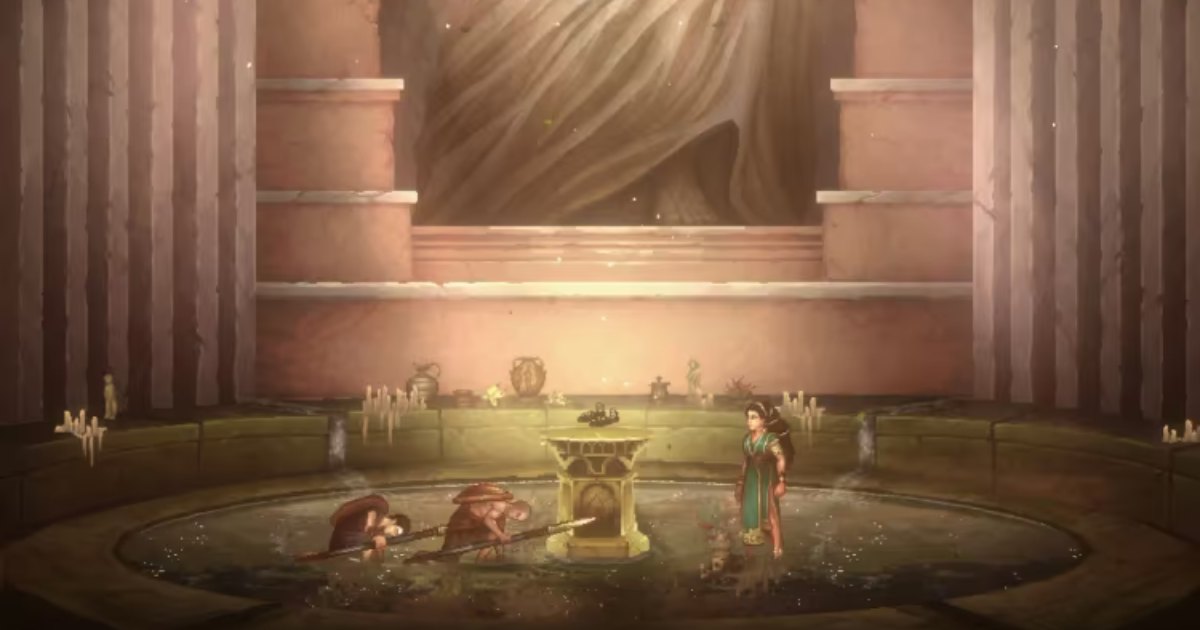
Why Returning to Sparta Matters
Going back to Sparta is not just a trip down memory lane, but it is an opportunity to see the birth of a legend. To those who cherish the franchise, this prequel is a seldom-seen glimpse into the boy who would one day grow to be the Ghost of Sparta, a man who had not just anger, but also love, loyalty, and the attachments that united him when the world was set to divide him.
The city, the training areas, the city walls, all these things remind us of the brutal nature that made Kratos what he was. However, it is the plot of his relationship with Deimos that makes this trip back to Sparta count. We see how early choices, small acts of heroism, and moments of compassion ripple through time, shaping the hero fans have come to know. For readers curious about how Kratos’ journey continues after his early life, check out our detailed review of God of War (2018) to see his epic adventures unfold in the realms of Norse mythology.
This chapter also brings us further into the knowledge of the prophecy that was going to plague the life of Kratos. The glimpse of the interferences of god, the manipulations of the gods, and the shadow of fate, all these are the additions to the general story. It is not only the back story, but it is the emotional foundation of the series.
Revisiting Sparta, the player is brought back to the reality that all the moments of the first God of War saga are based on human experience: love, loyalty, pain, and his strength. It is the trip back that explains why Kratos fights, why he is the victim of the struggle, and why, in the end, he turns out to be the complicated warrior in the middle of the collapse of Olympus.
It serves as a prompt to remember that the roots of epic legends have little to do with the war they are waging but with the relationships that they build and the decisions they make before the rest of the world takes notice.
Brotherhood Note: The past is never just memory. Returning to Sparta teaches us that the foundations of greatness are built in quiet moments, shared struggles, and bonds that endure even when fate seems determined to destroy them.
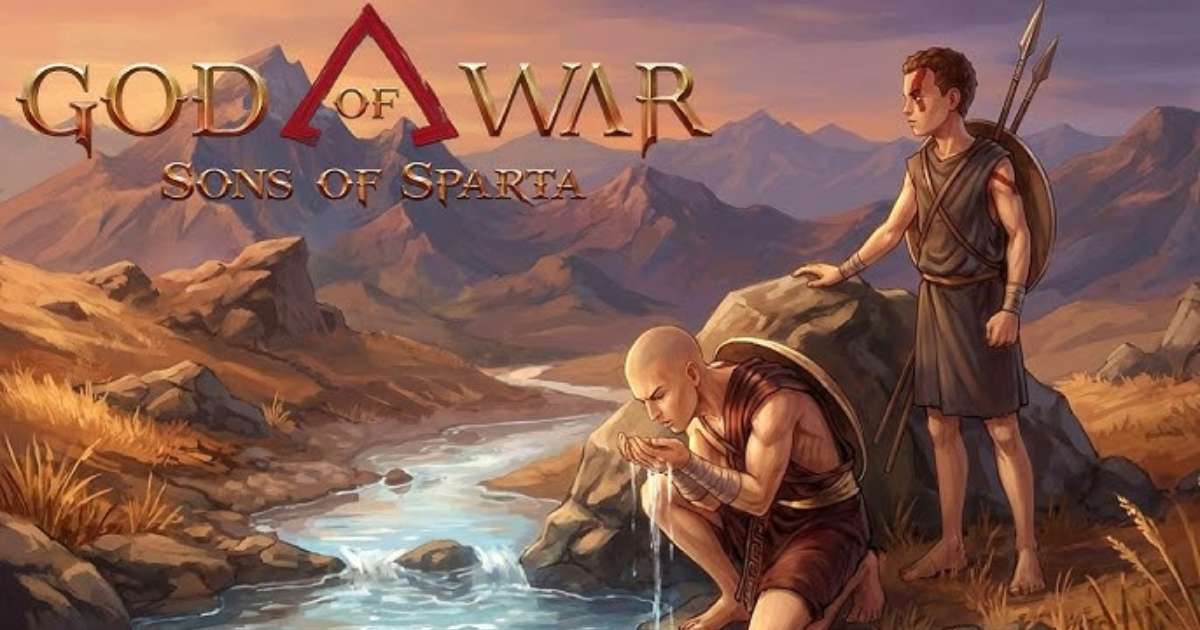
Brotherhood vs Destiny
No relationship is so strong that it cannot be tested by fate. In the case of Kratos and Deimos, their brotherhood was forged in the furnace of Spartan life, the powers of Olympus were already on alert, and the omen that would shape their destiny hovered over every action.
The portents of fate were never far as they trained side by side. One was a brother by destiny, the other by loyalty. Sparta had given them strength, stamina, and courage, but it could not prepare them for the choices that fate demanded. Every decision, every battle, every act of protection walked the fine line between love and the irresistible pull of destiny.
In this conflict Sons of Sparta has its emotional core. Players are not only bringing Kratos to battle and puzzles, but they are also watching a narrative that loyalty is being put against inevitability. Every victory counts, every defeat echoes with the weight of the world they inhabit.
But still, under the banner of fate, the bond between the brothers is not lost. The fact that Deimos is there serves to remind us that the greatest battles are not won by using weapons, but by making decisions, being brave, and ready to do whatever it takes to save the most important things. In the case of Kratos, this is the crucible that makes him what he is: a warrior who has been molded by his duties, bonded by his love, and tempered by his fate.
Sons of Sparta is not merely an account of a prophecy; it demonstrates the strength of the connections that we make that can be defied even by the hand of fate. The myth of Kratos is firmly based on vengeance and combat, but it is also based on fraternity, the silent power that made him strong when the deities tried to dismantle him.
Brotherhood Note: Even when fate seems unchangeable, the bonds we honor give us the power to face the impossible. Kratos and Deimos remind us that loyalty and love can endure where even destiny fears to tread.
Q / A: Reflecting on Sons of Sparta
Q1: Why does the story of Kratos and Deimos matter in Sons of Sparta?
A: Because it’s not just a prequel, it’s a journey into the heart of what shaped a legend. We see how loyalty, love, and shared struggle created the warrior who would eventually shake Olympus. Without understanding this bond, we only see the Ghost of Sparta, not the boy who became him.
Q2: How does the 2D Metroidvania style enhance the story?
A: The smaller, more intimate perspective brings players closer to the emotional journey. Every leap, every combat encounter, every hidden path feels personal. You’re not just watching Kratos’ story unfold, you’re moving through it, step by step, alongside him and Deimos.
Q3: What lessons can players take from the brothers’ bond?
A: That true strength is not measured by power alone. It’s measured by loyalty, trust, and the willingness to protect those you care about, even when the world expects you to fight alone. Brotherhood, in this story, becomes the ultimate weapon.
Q4: Does knowing the prophecy change how players experience the game?
A: Yes. The looming fate adds tension and weight to every decision. It reminds players that the story isn’t only about battles, but about choices, consequences, and how love can resist even destiny.
Q5: Is Sons of Sparta essential for God of War fans?
A: Absolutely. Beyond gameplay, it adds emotional depth to the saga. It fills in the blanks of Kratos’ early life, his relationship with Deimos, and the events that ultimately shaped the hero we know, making the main series even richer and more meaningful.
Conclusion: The Echoes of Brotherhood
Before the blades of gods and titans clashed, before Olympus trembled beneath the wrath of Kratos, there were two boys in Sparta. Two brothers walking the same dust-strewn training grounds, carrying each other through trials that would have broken anyone else.
The story of God of War: Sons of Sparta reminds us that legends are not born from rage alone. They are born from loyalty, love, and the bonds that endure even when fate seems determined to tear them apart. Every strike of Kratos’ spear, every step through the hidden corridors of Sparta, every moment of courage shared with Deimos, echoes with the lessons of a past that shaped the future.
We see that strength is not measured by the enemies we defeat, but by the connections we honor. Brotherhood is a quiet force, invisible to the world, yet powerful enough to define a hero. And in the shadow of prophecy, in the face of gods and inevitability, the bond between Kratos and Deimos shines brightest, reminding us that the heart of every warrior is carved not just in battle, but in the people who stand beside them.
As the player steps away from Sparta and into the wider world of Olympus, the echoes of this brotherhood remain. They linger in memory, in emotion, in the understanding that even the mightiest warrior once walked beside someone who made him stronger, braver, and more human than he ever imagined.
“Before Olympus feared him, Sparta knew him as a brother.”