Story-Driven vs Multiplayer Games create two very different emotional experiences, and only one truly lingers long after the credits roll.
It’s late.
The room is quiet except for the soft glow of your screen.
Outside, the world has already slowed down.
Inside, something just ended.
You’re not even gripping the controller tightly anymore. It rests in your hands like it’s heavier than it should be.
The credits are rolling.
Music plays, not loud, not dramatic, just enough to press gently against your chest.
You don’t skip it.
You don’t reach for your phone.
You don’t immediately switch to another game.
You just sit there.
Because something just closed.
Not a match.
Not a leaderboard climb.
Not a ranked season.
A story.
You spent hours walking beside characters who felt human.
You watched them fail.
You watched them hope.
You watched them break.
And somehow, without realizing it, you carried a piece of them with you.
It wasn’t just gameplay.
It was a connection.
Now picture something else.
You close a multiplayer session.
Win or lose, it’s fast.
Your heart is still racing.
Your mind is replaying that one mistake.
Or that perfect shot.
Or that frustrating teammate.
You say “GG.”
Or you don’t.
You queue again.
Or you log off.
And by tomorrow, most of it fades.
The match mattered in the moment.
But it doesn’t stay.
Both are gaming.
Both are real experiences.
But one lingers in your thoughts when you’re lying in bed.
The other disappears the moment the adrenaline does.
And that difference, the one between stimulation and emotional impact, is where this conversation begins.
Emotional Immersion vs Competitive Stimulation
Story-driven games don’t just entertain you. They immerse you in emotions that stay long after the game is over.
If you want a deeper breakdown of why games are more emotional than movies, you can explore it here.
It’s not the graphics. Not the mechanics.
It’s the feeling. The silent attraction of a world that is not within your reach.
You do not just act the part. You walk beside them.
Hours pass. Decisions weigh on you. Failures sting. Triumphs echo.
Every choice carries weight. Every conversation matters.
You can see how there are gaps between the events. The breaks, the tension, the minute things that no one will notice.
You start to care. Not just about the story. About the people in it.
You carry their fear. Their hope. Their regrets.
It becomes personal.
Players strike at multiplayer games differently.
Unlike story-driven experiences, multiplayer games focus on quick matches and instant rewards, which is why they rarely create the same lasting emotional impact.
They are fast. Sharp. Immediate.
Every second demands action. Each time you are put to the test of your reflexes.
You react. You aim. You dodge. You strategize.
Win or lose, excitement is at its peak and disappears.
The next round begins, and the previous one already fades away.
One stays in your chest long after the controller is set down.
The other rushes through your veins and fades just as quickly.
One teaches empathy. One sharpens your skill.
Both are real. Both are games.
But only one stays with you. Only one moves you.
And that is the boundary between emotional involvement and competitive arousal.
Pause and Reflect: Take a moment. Let the emotions sink in. Feel the weight of the story you just lived. That’s the power of games that move you, not just your hands, but your heart.
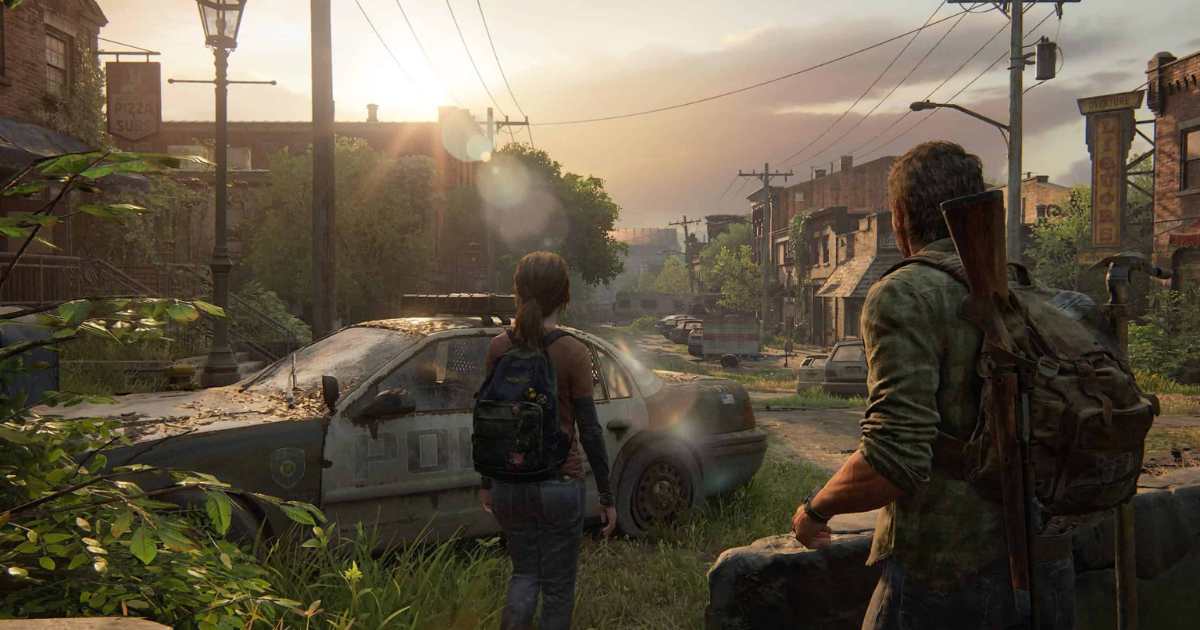
Character Attachment & Narrative Bonding
Not all the characters in narrative games seem like pixels on the screen. They feel alive. Real. Humans (read more about emotional attachment to game characters).
You remember their laughter, their questions, and their hesitation when they have to choose. It’s these small details that make them believable. That makes them matter.
Games based on stories give you time. Time to observe personalities develop. To fail. To hope. To falter. To rise.
You begin to care about more than just the story; you begin to care about the people in it. You protect them. You celebrate their victories. You mourn their losses.
Each conversation, each choice, each intermission of the game counts. It shapes how you feel. It determines the relationship between them and you.
In the end, they begin to feel like friends. Sometimes even reflections of yourself. You start to carry fragments of their fears, their hopes, and their regrets within you.
Something different is available with multiplayer games. You get teammates. You coordinate. You strategize. You compete. You win or lose together.
There is excitement. Adrenaline. A rush of victory. But rarely reflection. Rarely empathy. Hardly a relationship that still exists when you leave.
The connection with characters driven by the story does not occur immediately. And it is built up, build after build, layer by layer, hour after hour. And it is that which makes the impact so great.
You recall their plight. You carry their hope. Their scenes are still running in your head long after you have put the controller aside.
These characters are able to make you think of your personal decisions, your virtues, and your humanity. They show compassion in a manner that fast-paced multiplayer games are hardly capable of doing.
They make you remember that it is not only about skill or strategy in games. They are about experience. About connection. Feeling something so that you cannot forget.
Carry the Connection: Think about the last character who truly moved you.
Not the one you played for points or stats, but the one who made you care.
That bond is more than gameplay.
It’s a human experience that stays with you long after the story ends.
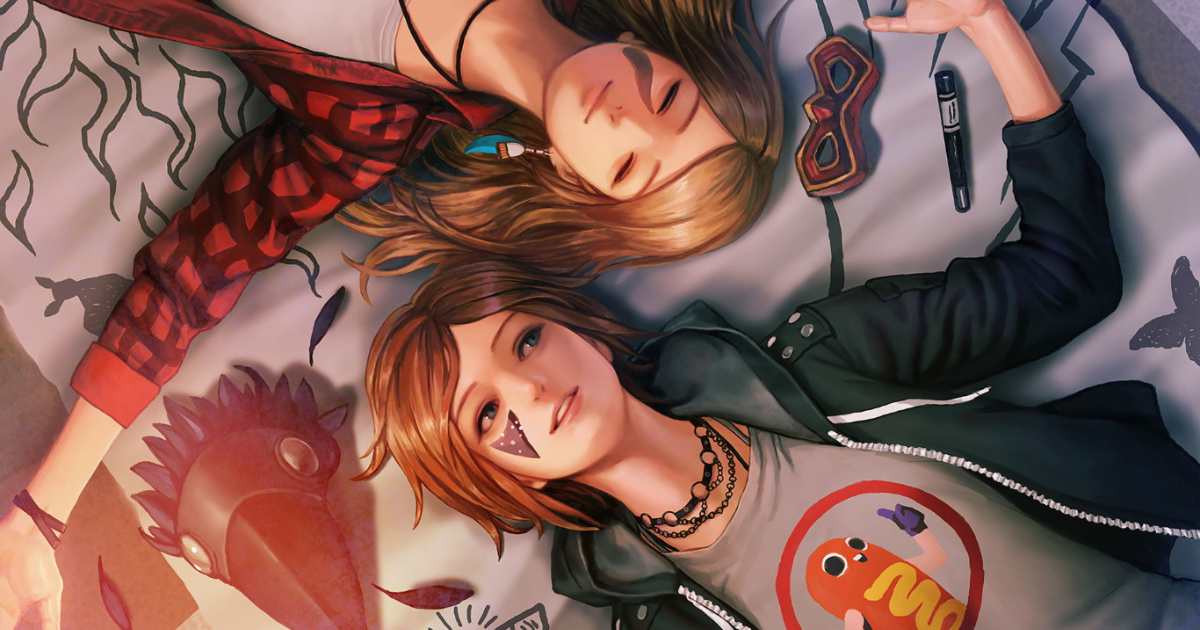
Why Story Games Leave a Psychological Mark
Games based on a story will always stay in your mind even after the credits. They do not simply present you with things to do or demons to slay, but they give you life that moves your heart and your mind.
It is your brain that gets your blood pumping with every decision, every moral choice, every interaction with your character, which multiplayer games hardly ever achieve. You are tense when a character is in danger, hopeful when they triumph, and even regret when you make the wrong decision. These are not mere reactions to the mechanics of the game, but real emotional reactions.
It starts playing in your mind that the story is real. Empathy grows. Memory strengthens. Reflection occurs intuitively. External research shows that in-game storytelling supports deeper emotional engagement and strengthens players’ sense of presence and connection within a game (source).
On the contrary, multiplayer games are constructed to operate on instant feedback. They require concentration, rapid response, and thought processes. The adrenaline surges; however, the moment the match is finished, it goes away. Emotional residue is less important than the profound force of a story that is told.
Narrative games give you room to think and reflect. They allow you to immerse yourself in the world, its characters, and the consequences of your actions. In that space, the emotional and psychological impact has time to take root.
Finally, story games do not simply make you play. They engage your caring, thought, and recollection.
Feel the Impact: Think back to the last story-driven game that truly moved you. The one that made you question decisions, empathize with a character, or reflect on your own feelings. That impact isn’t just entertainment, it’s a psychological imprint, a moment that stays with you long after the game is over.
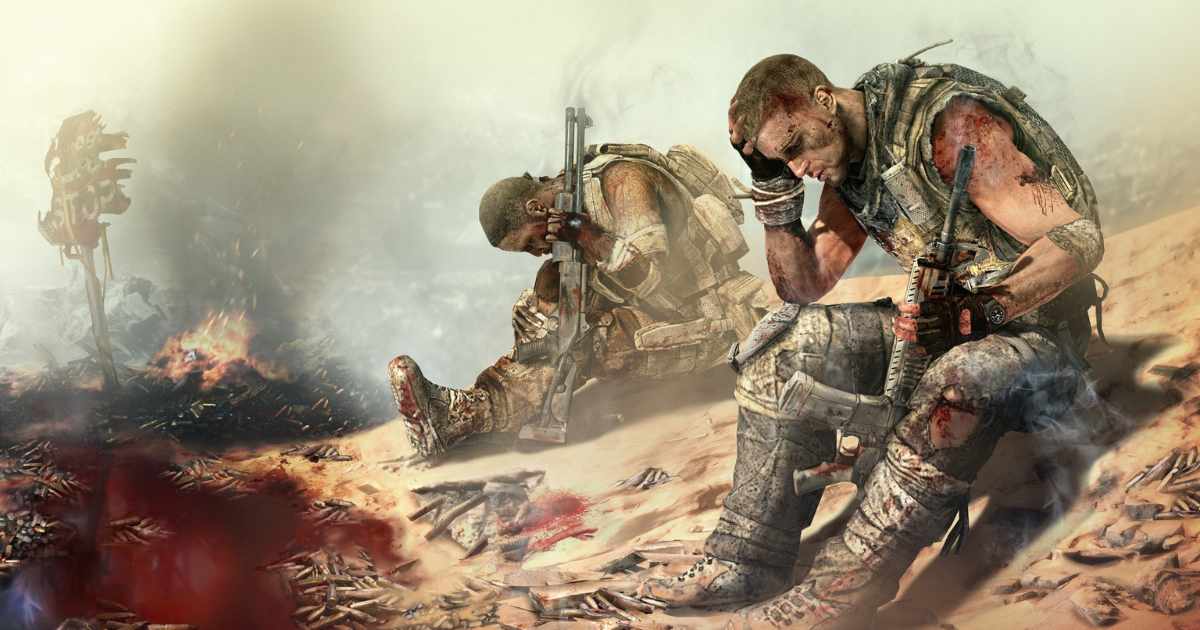
Choice and Consequence: The Power of Decision
Narrative-based games not only provide you with goals. They provide you with options that can create the story, the world, and your own perception.
Things like words, a choice of path, an act of kindness, or malice are small decisions. Some other ones are monumental, which determine the end of the story or the fate of a character.
Every choice carries weight. The ones you believe are insignificant have their influence on the game, change relationships, events, and outcomes.
The aftereffects come to a halt. They cause you to doubt your values, your morals, and your instincts. You understand that you are acting in such a way because it counts more than winning and losing.
Multiplayer games are different. Decisions are tactical, fast, and focused on performance. You plan, react, and try to succeed, but rarely do your choices carry emotional weight. Once the match ends, the moment fades almost instantly.
Even the seemingly insignificant choice may haunt you in story games. Even a decision that you made in good faith may turn against you. An avenue you might not have followed can be a loss or regret. This generates conflict, introspection, and an emotional investment.
The force of choice makes the gameplay experience. You are not just tapping the buttons, but you are actually forming a story. You are the ones left to live with the results, and that emotion will ring long after the game is over.
The games with stories educate responsibility, as multiplayer does not. They make you question yourself, what you cherish, and what you would have done instead.
Your Choices Matter: Think back to the last time a game made you pause and question your decisions. That one moment where a single choice changed everything. That is the power of story-driven games: they make you live with your actions, long after the screen goes dark.
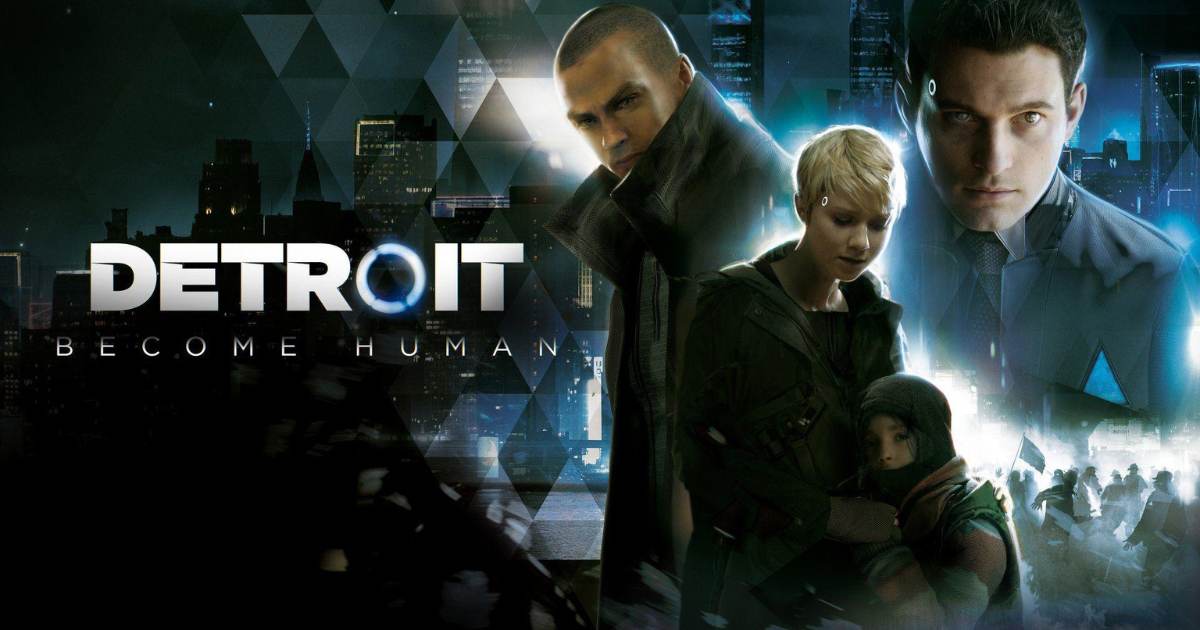
Slow Pacing vs Instant Gratification
Games based on stories are tolerant. They let moments breathe. A moment of introspection on the part of a character, a contemplative scene, a minor exchange between friends, they are not fillers. It is an opportunity to experience, to learn, and to relate.
Slow pacing in story-driven games gives your emotions room to breathe. You feel tension, hope, and fear in ways that are hard to find in multiplayer games. Every choice is more than a button press; it carries weight that presses on both your mind and your heart.
Online games that are played by more than two players require speed. Every second counts. There are no actions that do not have an immediate effect. Response, talent, and timing are rewarded immediately. There’s the euphoria of victory and the sting of defeat, but those feelings fade relatively quickly.
Rewards are overlaid in story games. They develop emotional payoff slowly in the form of narrative, characters, and world. A silent scene will last longer than 1 hour of multiplayer games. You absorb the story. You live in the world. You feel the stakes.
Rhythm is taken slow so there would be time to think. It educates on patience, empathy, and attention to detail. You can observe little details in the dialogue, atmosphere, and environment that make the game seem lively.
There is immediate satisfaction, which is exciting. Quickness and competence are exciting and temporary. Both amuse, but only one keeps you entertained once the controller is laid down.
The contrast is profound. Story-based experiences are unforgettable as they give you a chance to breathe, to assimilate, and feel. They make gaming an emotional investment.
Savor the Moment: Think of the last story-driven game that made a quiet scene stay in your mind. A choice, a glance, a moment of reflection. That is the power of pacing; it transforms gameplay into something that lives with you long after the screen goes dark.
The Role of Atmosphere and Music
A narrative-based game is not only played, but experienced.
The emotions you get are influenced by the world around you, its sights, sounds, and motion, as much as the story itself.
The wet street, a flickering candle, the low buzz of some distant music, all these details drag you into the story.
Music sets the tone. Even a simple stroll through the woods can feel haunting when paired with the right score. A triumphant theme can make a victory in battle feel truly earned.
Sound is not background; it is a guide. It tells you when to be emotional, when to take a break, and when to expect.
The visuals and timing work together. The angle of the shot, the lighting, the colors, every detail adds a subtle touch of emotion.
These subtleties are not a common feature of multiplayer. Action is immediate. Clarity and visuals are used not to reflect but to be clear.
Narrative-based games allow you to hang around. They allow you to hear a shaking hand, a sigh, a little relaxation of silence that speaks louder than words.
The atmosphere and music make it feel like an immersion that the word cannot. They make you trust in the world, be concerned about its characters, and experience all the victories and failures.
They make the gameplay something cinematic and humanly deep.
Let the World Breathe: Think of the last game where a melody or the lighting made your chest tighten, or a scene left you speechless.
That is the power of the atmosphere. It’s not just what you play, it’s what you feel, a world that breathes with you, long after the game is over.

Long-Term Emotional Resonance
Story-driven games can leave a lasting impression long after the controller is set down.
A fight of a character or a decision that altered the whole world, or a moment of beauty, can resonate in your mind for days, weeks, or years.
These games are not just entertaining, as they leave an impression on your mind and heart. They educate, bring out empathy, and at times even transform your self-image.
The feelings linger because the tales are not to be seen but to be experienced. The game is personal, the adventures significant, and the results are usually the consequences of your choices.
This is not commonly left by multiplayer experiences, which are often exhilarating. They provide shots of adrenaline, humor, or irritation, but those moods go away soon when the game is finally over.
Story-driven experiences resonate because they are layered. Music, visuals, dialogue, and choices all combine to create memories that linger long after you stop playing.
These games become part of your own story, lessons are learned, empathy is felt, and joys are remembered (discover why some games stay with us for years).
They demonstrate how games can transport you in a way more than entertainment, emotionally, psychologically, and spiritually.
Carry the Memory: Think back to the last story-driven game that stayed with you.
The one whose characters, moments, or choices you still remember.
That lingering feeling is proof that some games aren’t just played, they are experienced.
They stay with you. They shape you. They become part of you.

FitPlay Q/A: Story-Driven vs Multiplayer Games
Q1: Can multiplayer games ever be as emotionally impactful as story-driven games?
A: Not in the same way. Multiplayer is immediate and thrilling. It excites your reflexes, your strategy, and your competitive spirit. Story-driven games, on the other hand, linger. They make you feel, reflect, and carry moments long after the screen goes dark. Emotional resonance comes from depth, attachment, and consequence, things that multiplayer rarely emphasizes.
Q2: Why do story-driven games feel more “personal”?
A: Because you shape the experience. Choices, relationships, and consequences make the story feel unique to you. You aren’t just pressing buttons; you are making decisions, living emotions, and forming bonds. Multiplayer games offer shared experiences, but story-driven games make the world yours.
Q3: Is there value in playing both types of games?
A: Absolutely. Multiplayer sharpens reflexes, teamwork, and quick thinking. Story-driven games sharpen empathy, reflection, and emotional depth. They complement each other. Balance gives both excitement and emotional fulfillment.
Q4: How do choices in story games affect players emotionally?
A: Choices create stakes. They make you responsible for outcomes. When a decision goes wrong, you feel regret. When it succeeds, you feel pride. These emotions stick because you actively shape the story; it becomes yours.
Q5: Can the atmosphere of a game really change how we feel?
A: Completely. Music, visuals, pacing, and subtle details pull you into the world. A quiet scene can make your heart race or tighten your chest. The atmosphere doesn’t just support the story; it is the story, felt as much as seen or heard.
What Stays With You
Games are more than mechanics or graphics.
They are worlds we step into, lives we touch, and emotions we carry long after the controller is set down.
Story-driven games linger because they let us feel. They let us connect with characters, make meaningful choices, and reflect on ourselves in ways no leaderboard can.
They teach empathy, patience, and emotional depth. They create memories, not just moments.
Multiplayer games are different, but equally vital. They give adrenaline, strategy, and bursts of triumph. They sharpen reflexes and skills.
Both forms of play matter. But only one leaves an imprint on the heart.
The quiet pauses, the choices that weigh on you, the characters you carry in your mind, those are what stay with you.
They remind you why we play, why we care, and why games can move us like no other medium.
In the end, it’s not the points, the wins, or the hours played.
It’s the moments that echo. The feelings that linger.
It’s the story that stays.
“We don’t just play games; we carry their stories with us.”